

Types of Aliens
Every kind of extraterrestrial people describe, from the Greys of abduction reports to the light-beings of channelled literature and the reptilians of pulp fiction, grouped by family and labelled by where each idea comes from.
Ask ten people to draw an alien and most will draw a Grey. Ask what other kinds there are and the answers scatter: tall blond Nordics, scaled Reptilians, praying-mantis beings, bird-headed messengers, creatures of pure light. Those answers come from very different places. Some are first-hand witness reports, some are the writings of self-described contactees, some are ancient myth, and some were invented for novels and films and then absorbed into the wider lore.
This guide sorts all 44 species in the XenoAtlas archive into 10 families by body plan, and marks each one with its evidence status. Nothing here is presented as established fact. The point is to show the whole landscape of what people have imagined, and where each idea began.
Human-like types
Nordics, Pleiadians and the tall, fair archetype
The largest group in reported and channelled material is the human-like extraterrestrial: tall, well-proportioned, usually fair-haired and often described as luminous. The type begins with George Adamski's 1952 account of a Venusian visitor and was generalised by European ufology into the 'Nordic'. Later contactee and channelled literature added the Pleiadian, Lyran, Sirian, Andromedan and Tall White variants, each tied to a named star or constellation.
These accounts share a tone as much as a look. The beings are described as calm, watchful and benevolent, more concerned with humanity's development than with abduction or experiment. Sceptics point out that the archetype tracks mid-century ideals of beauty and authority closely, which is part of why it is catalogued here as lore rather than as observation.
- Common traits
- Tall, 5′11″ to 8′ in most accounts
- Fair or luminous skin, long hair
- Telepathic or spoken communication
- Framed as guides, watchers or ancestors
- Where it comes from
- Contactee literature from 1952 onward; channelled cosmologies of the 1980s and 1990s.
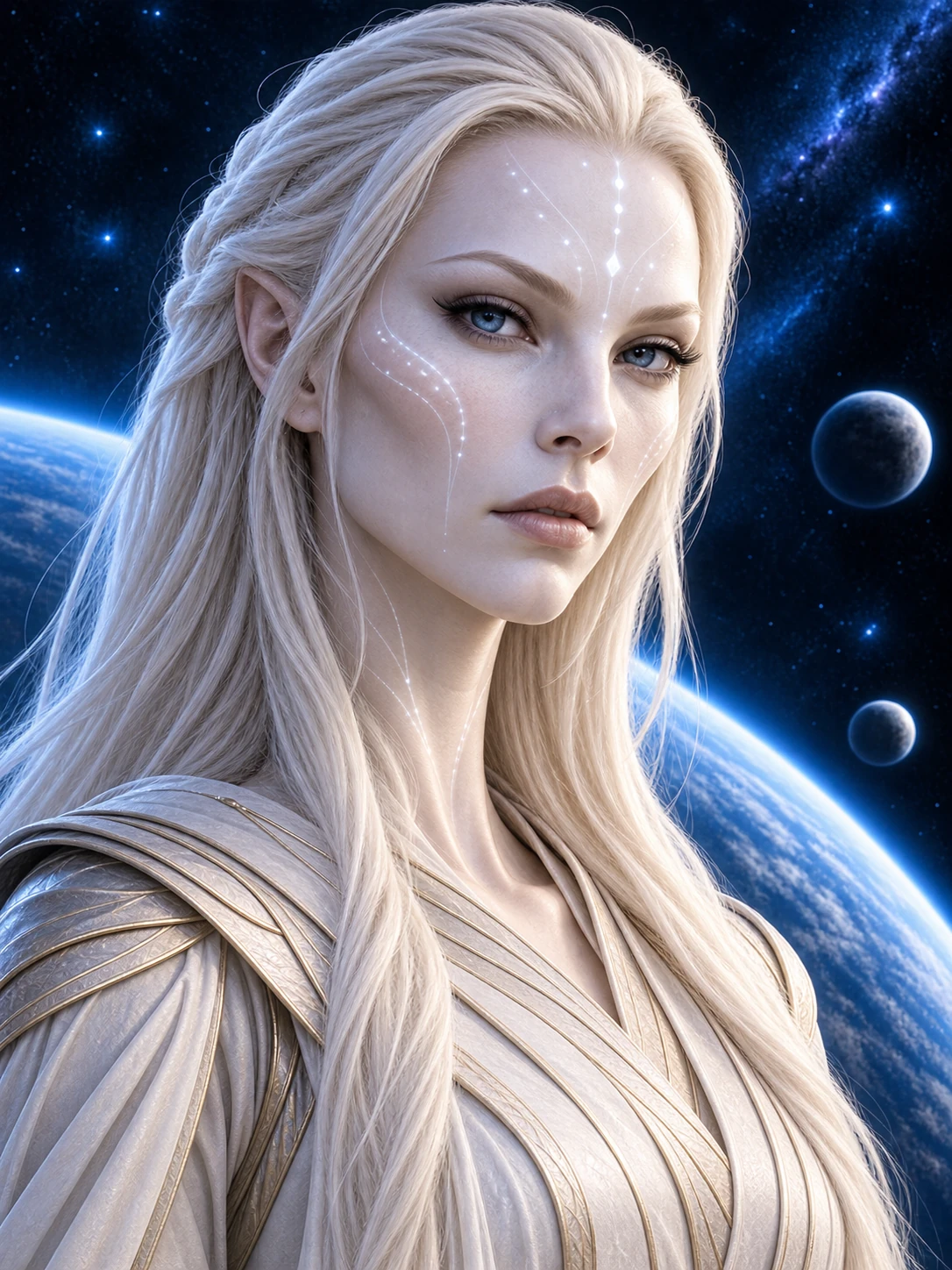 NordicThe WatchersContactee lore
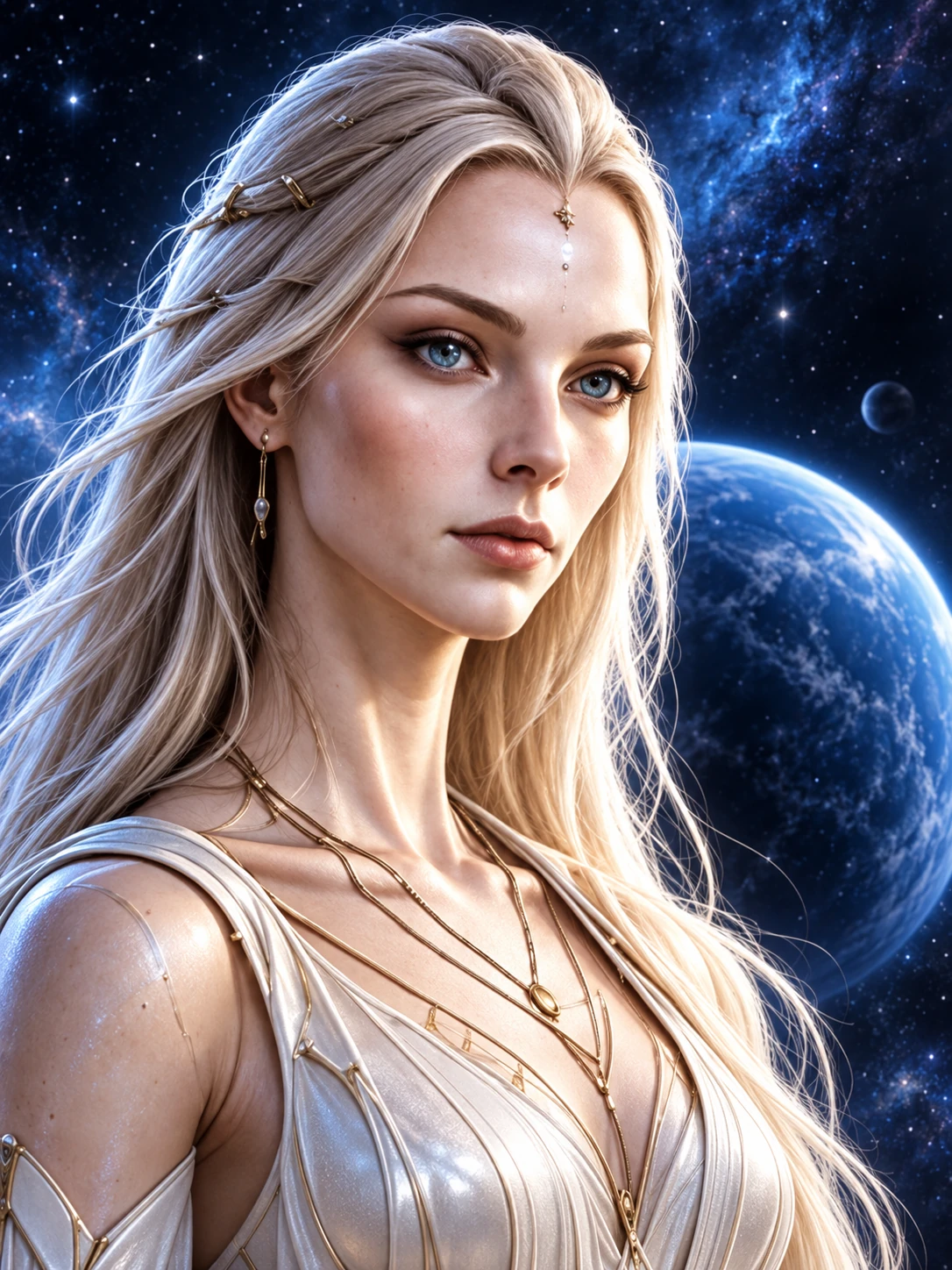 PleiadianThe Seven SistersContactee lore
 VenusianThe HarmonizersContactee lore
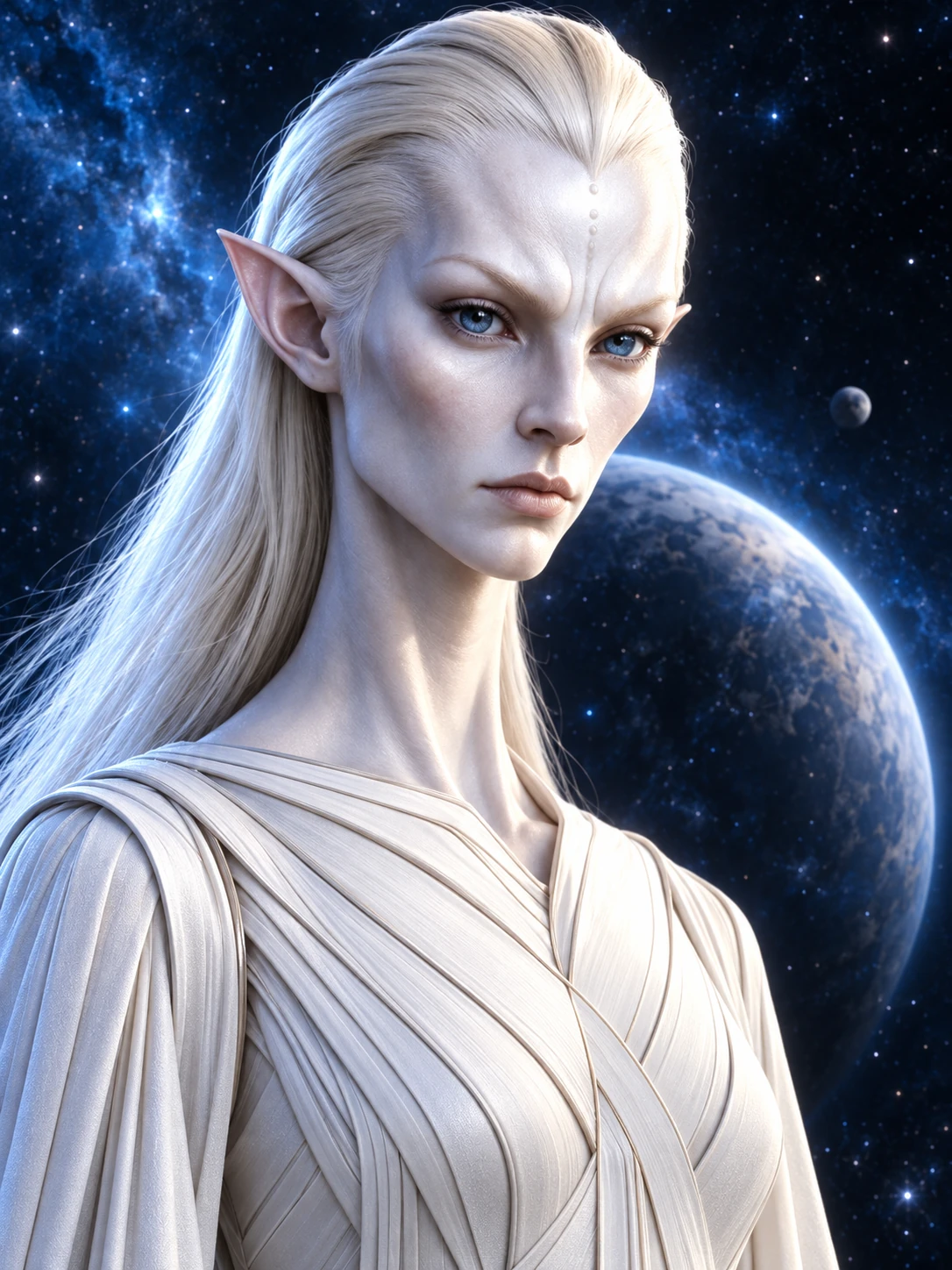 Tall WhiteThe EnvoysContactee lore
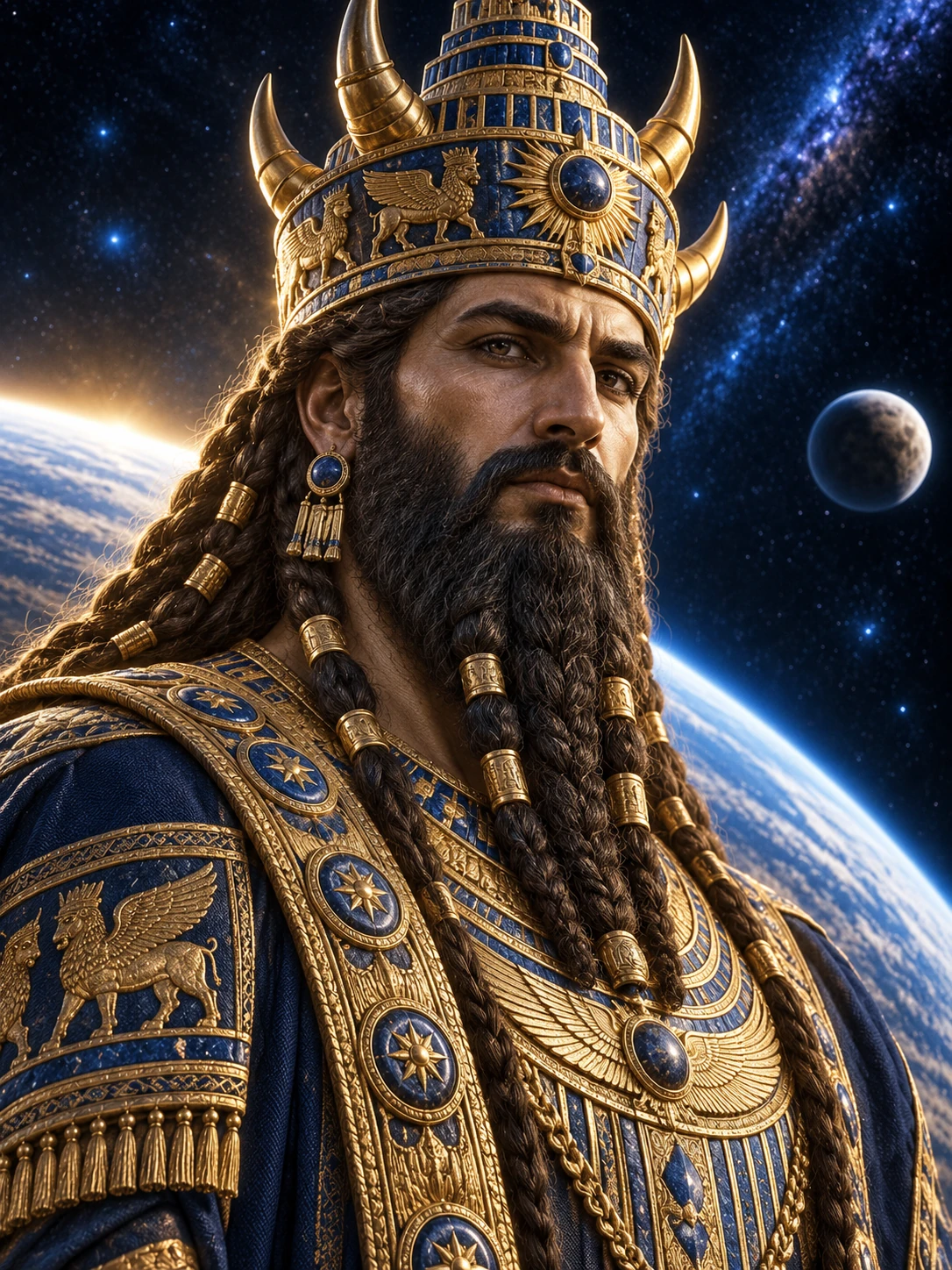 AnunnakiThe Sky LordsFolklore
 Star PeopleThe AncestorsFolklore
 UmmiteThe Letter WritersContactee lore
 LyranThe First OnesContactee lore
 SirianThe Star ArchitectsFolklore
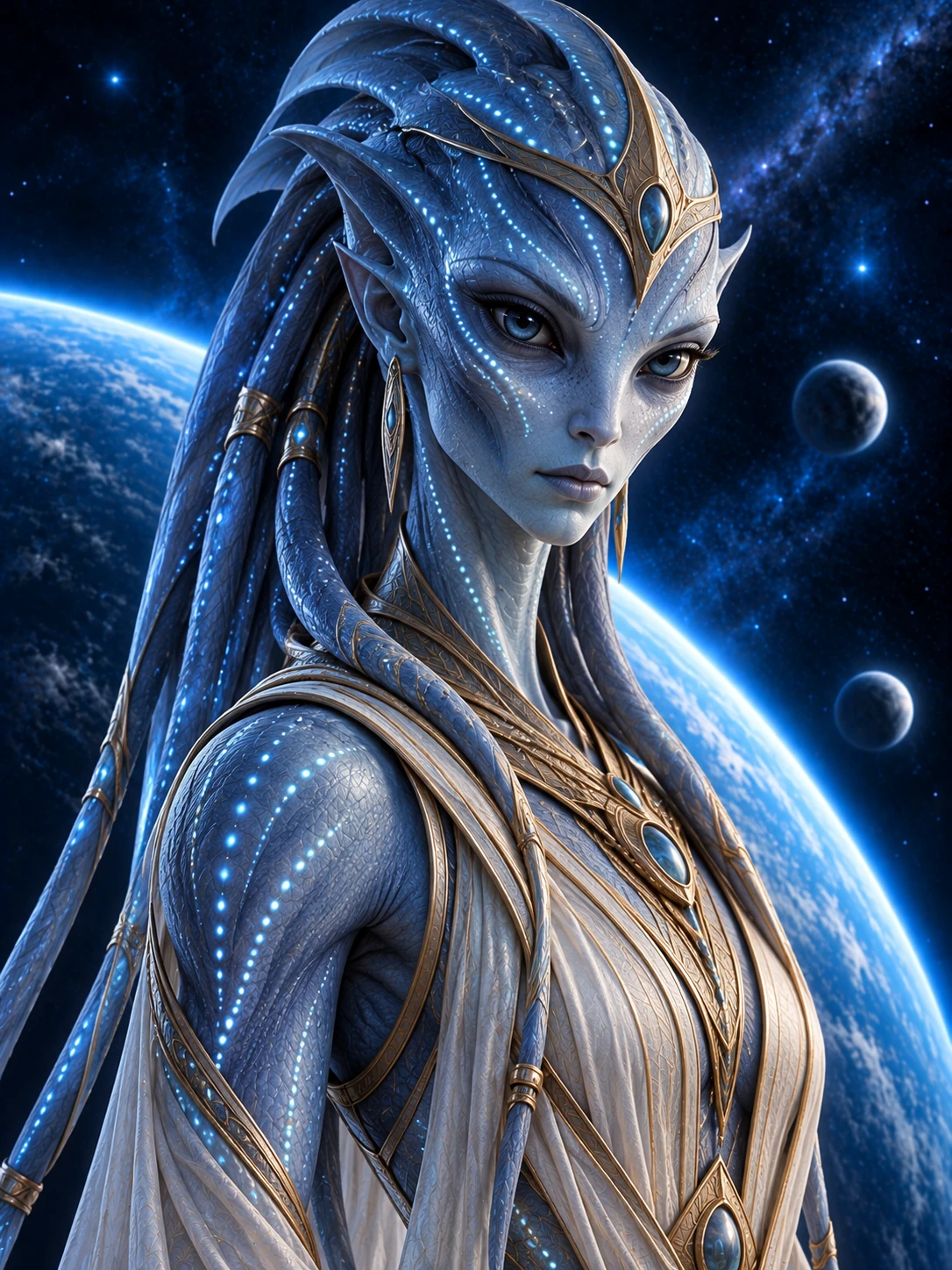 AndromedanThe Far CouncilContactee lore
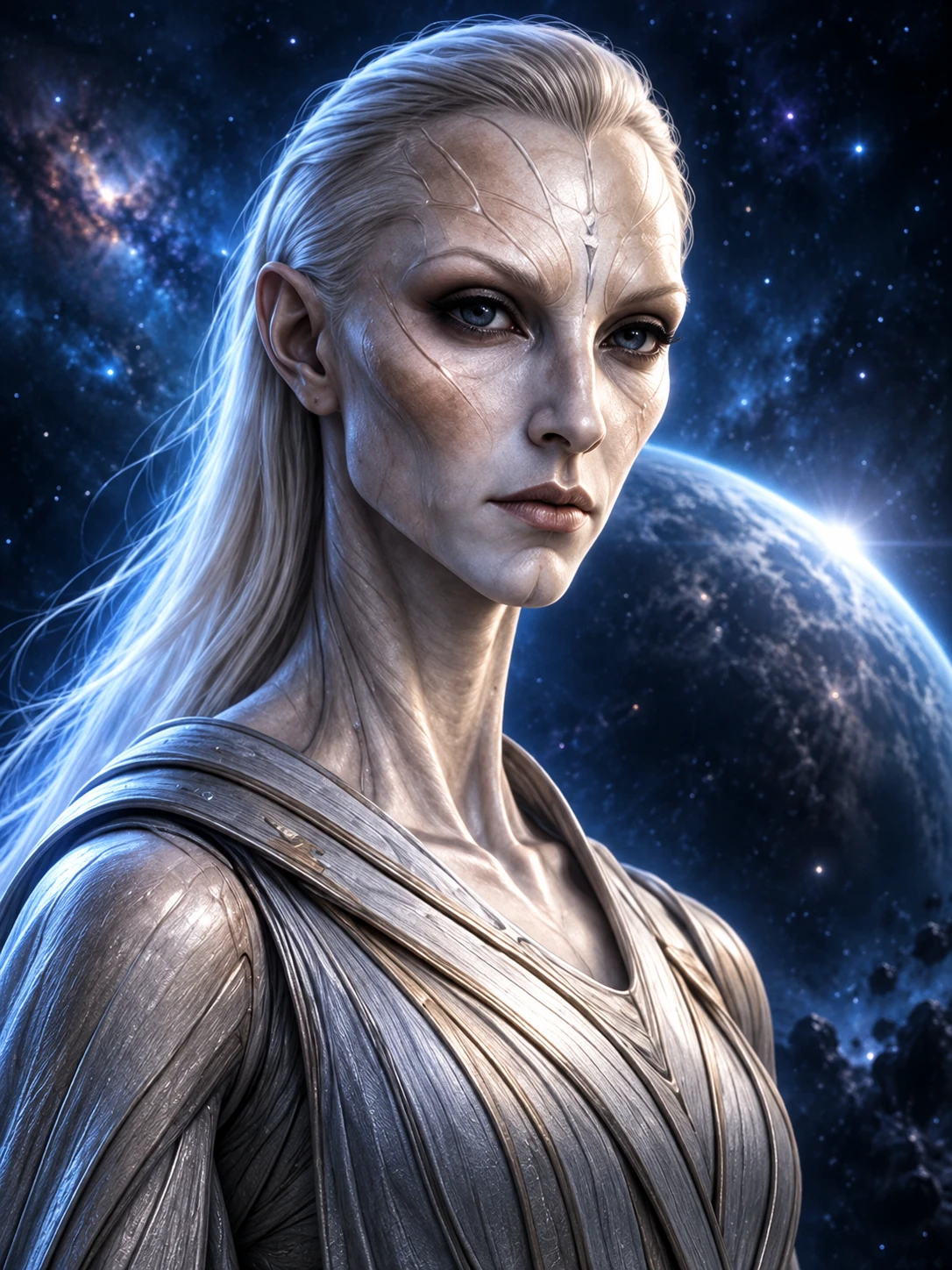 ProcyonThe MediatorsContactee lore
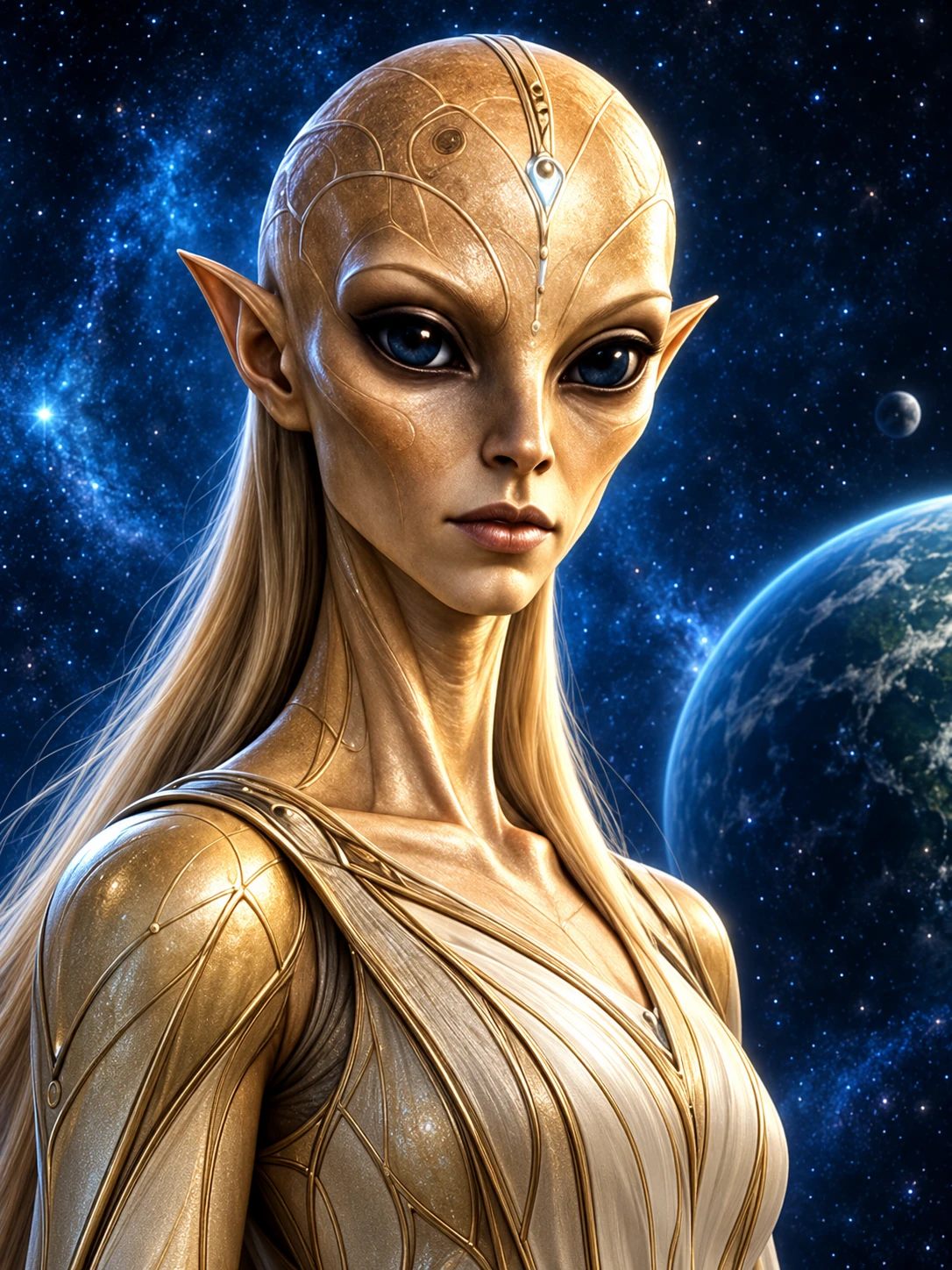 CapellaThe ObserversSpeculative
 AvalonianThe Light BearersContactee lore
 CentauriThe TravelersSpeculative
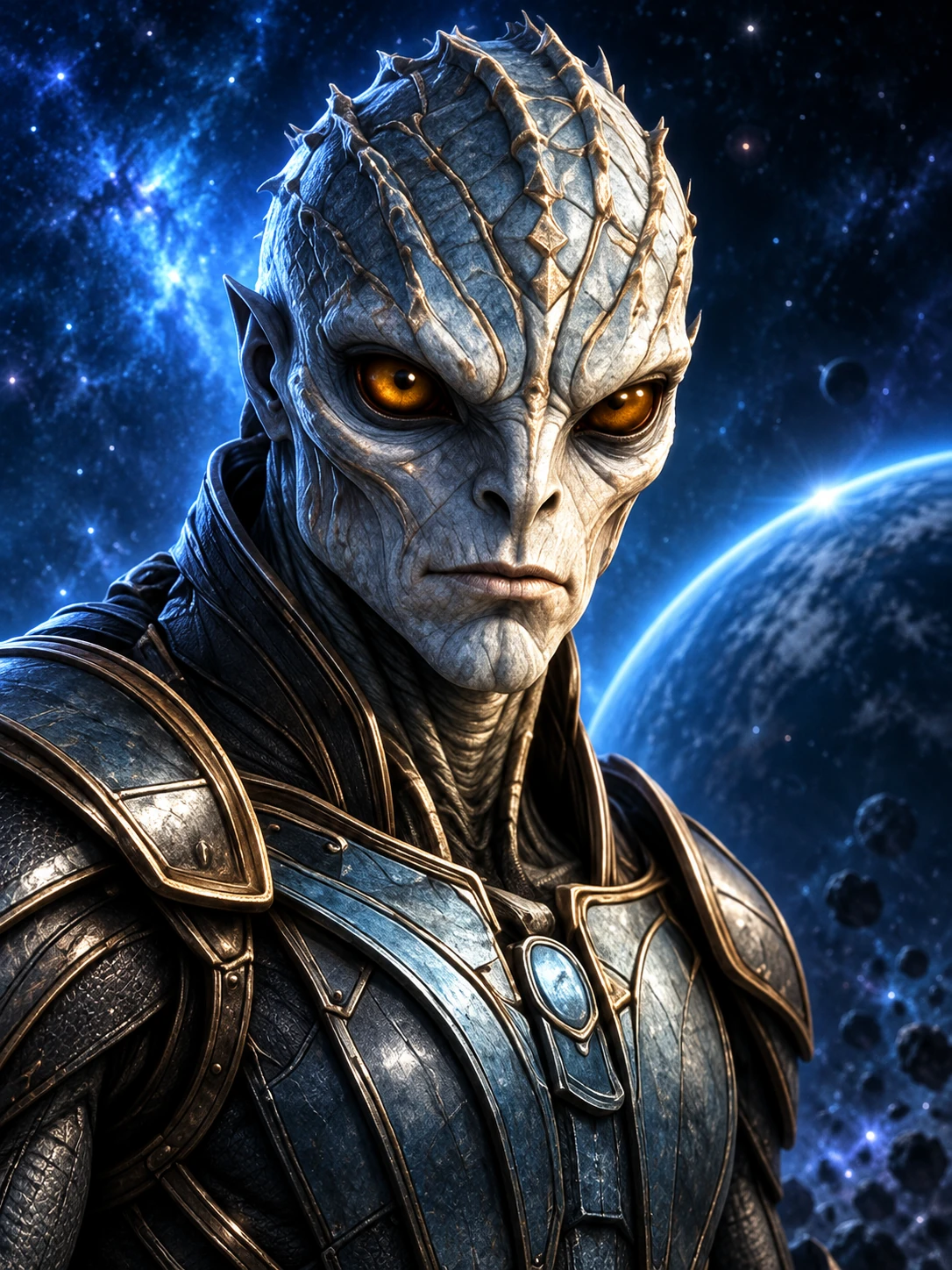 OrionThe WarriorsContactee lore
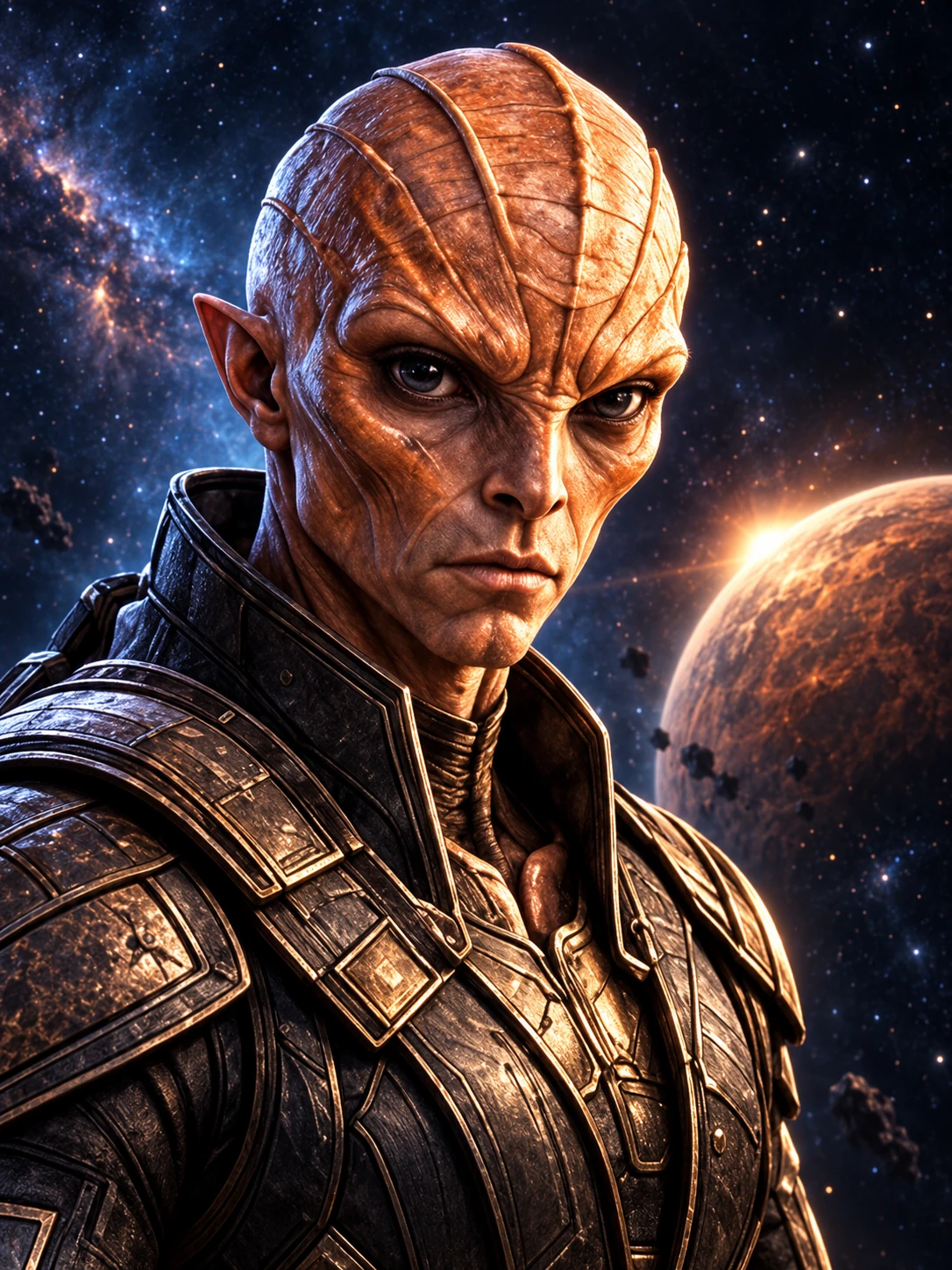 AldebaranThe ExplorersContactee lore
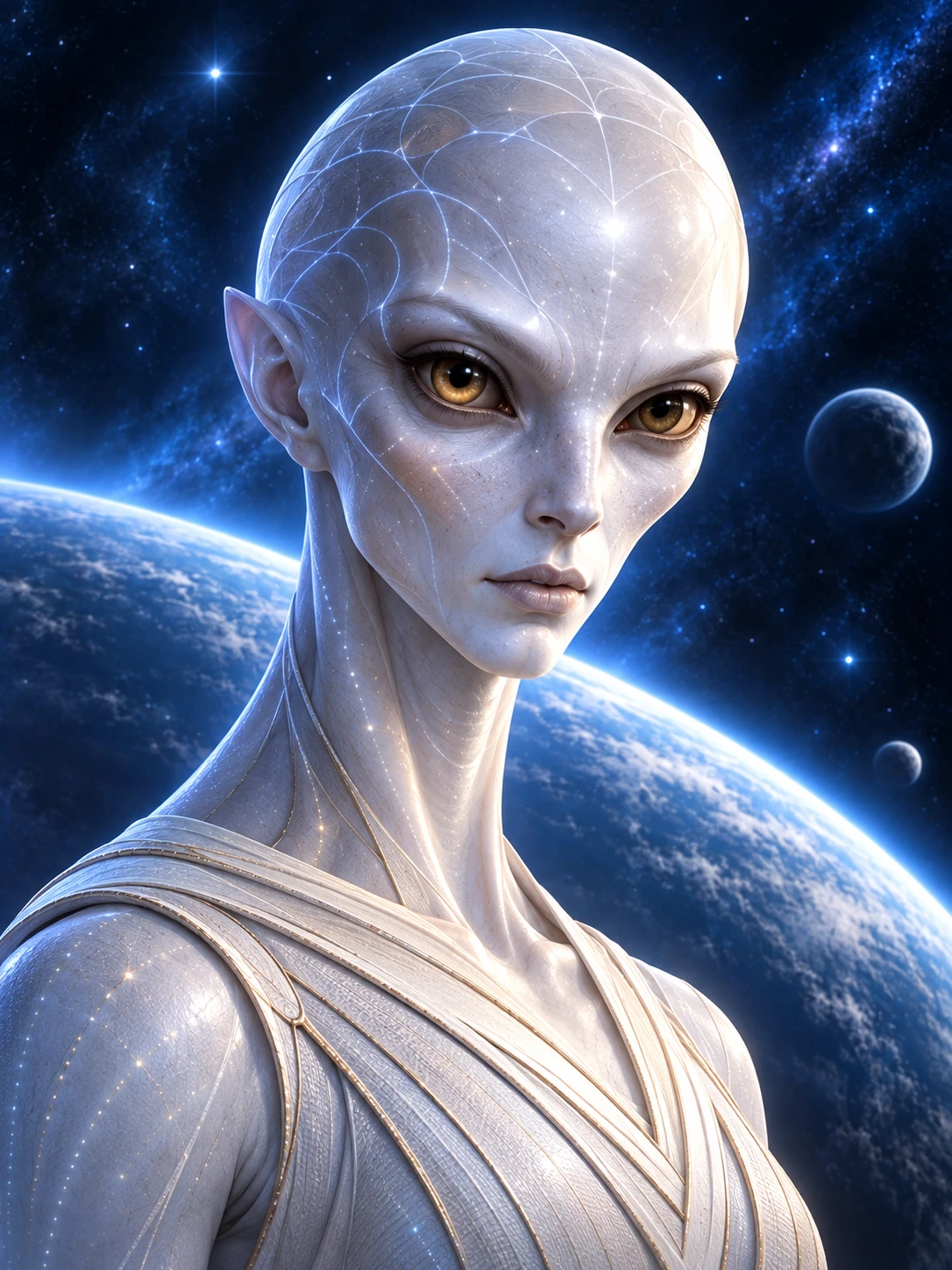 AthurianThe ObserversSpeculative
Greys
The small, large-eyed figure of the modern abduction narrative
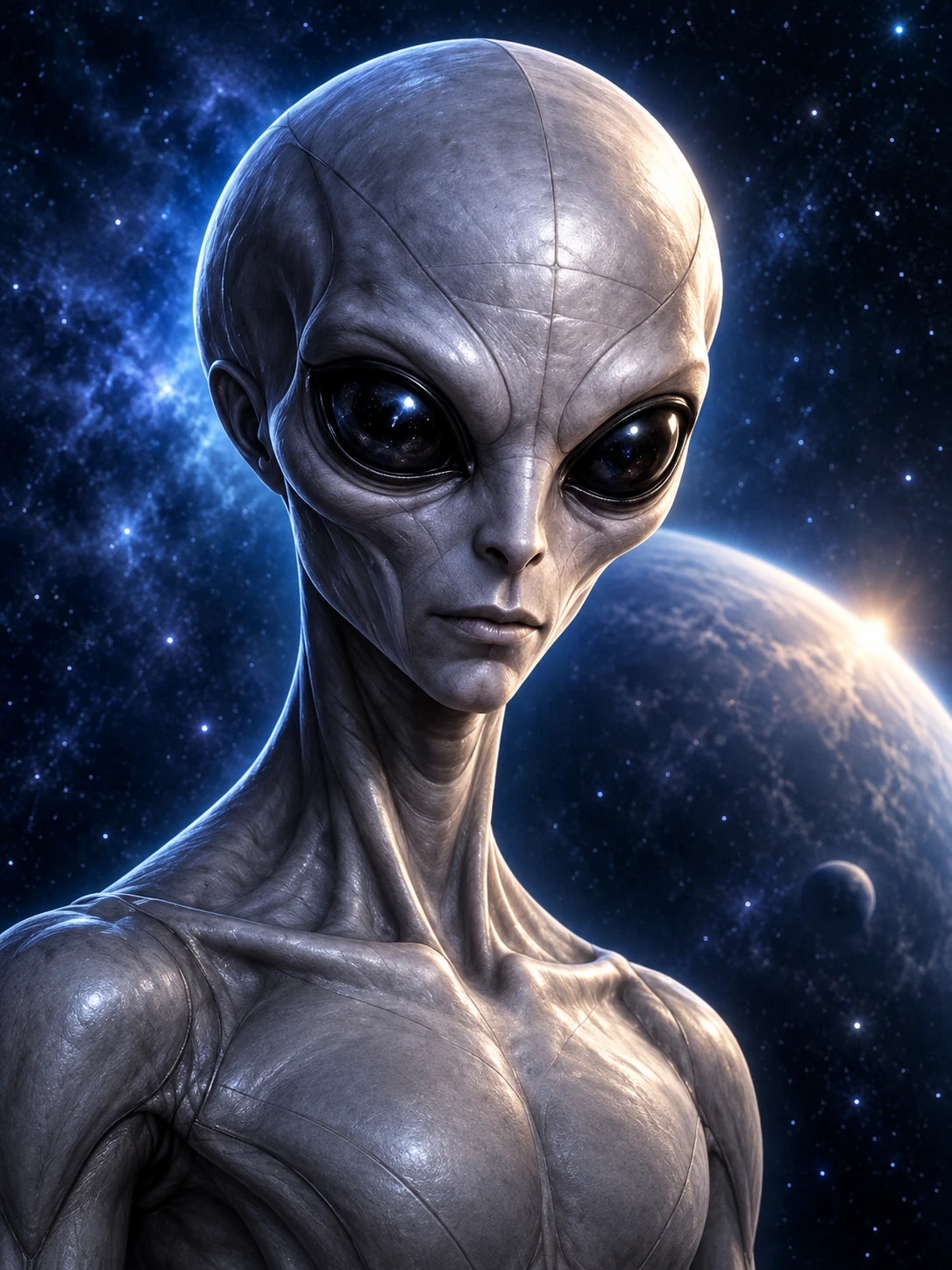
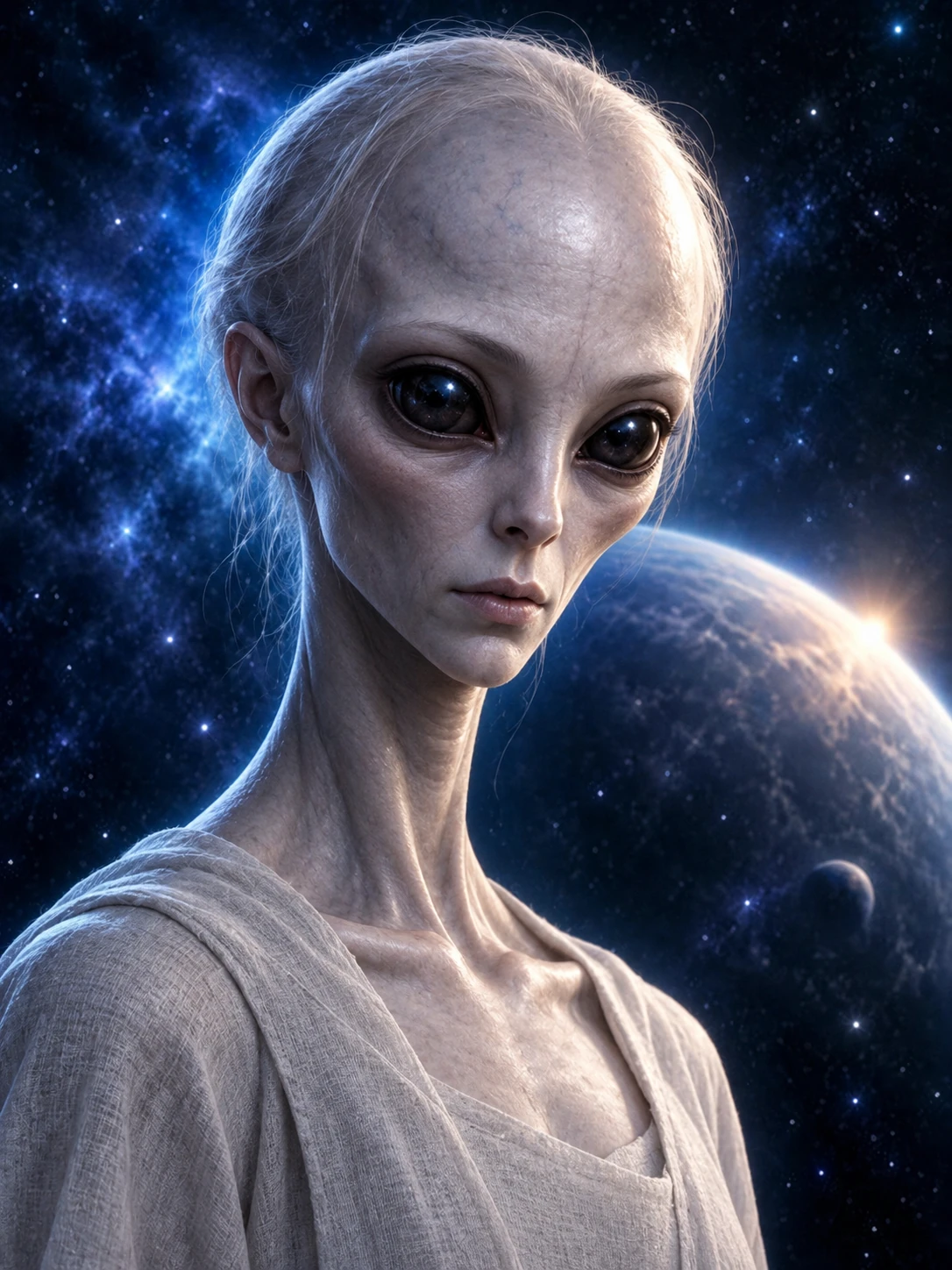
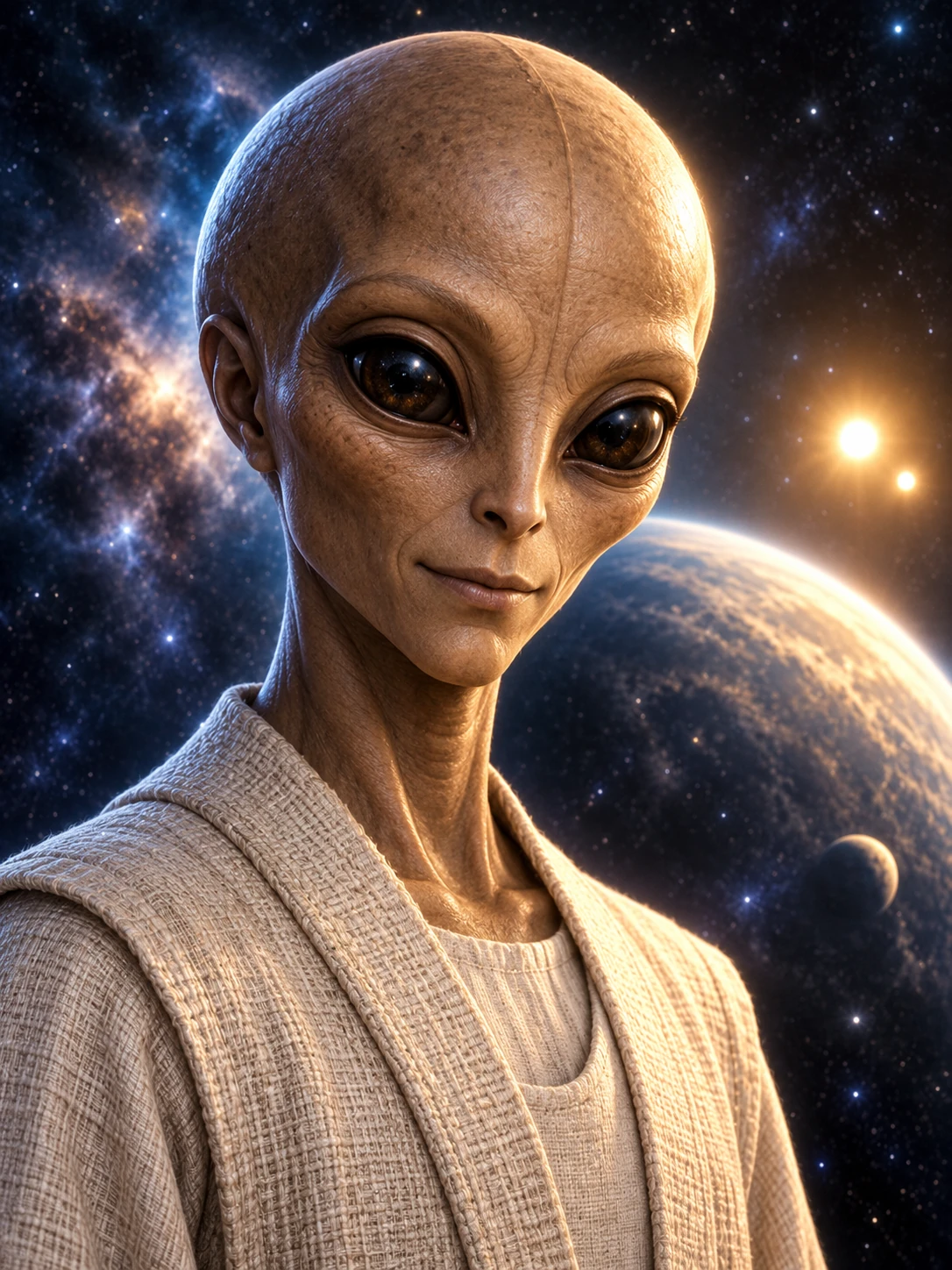
The Grey is the alien most people picture first: a slender being under five feet tall with an oversized hairless head, grey skin and enormous black almond-shaped eyes. It became the dominant reported type after the 1961 Betty and Barney Hill case and was cemented by Whitley Strieber's 1987 book Communion, whose cover put the face on bookshop shelves worldwide.
Greys are the only type that appears more often in first-hand witness reports than in channelled writing. That does not make them verified. Researchers have proposed sleep paralysis, hypnotic confabulation and cultural feedback as explanations, and the way the Grey displaced the far more varied occupants reported before 1960 is itself a well-documented cultural shift.
- Common traits
- Short stature, 3′ to 5′
- Large head, black eyes, minimal features
- Reported in clinical, procedural encounters
- Associated in lore with Zeta Reticuli
- Where it comes from
- Abduction case literature, 1961 onward.
Reptilian types
Scaled humanoids from serpent myth to modern conspiracy
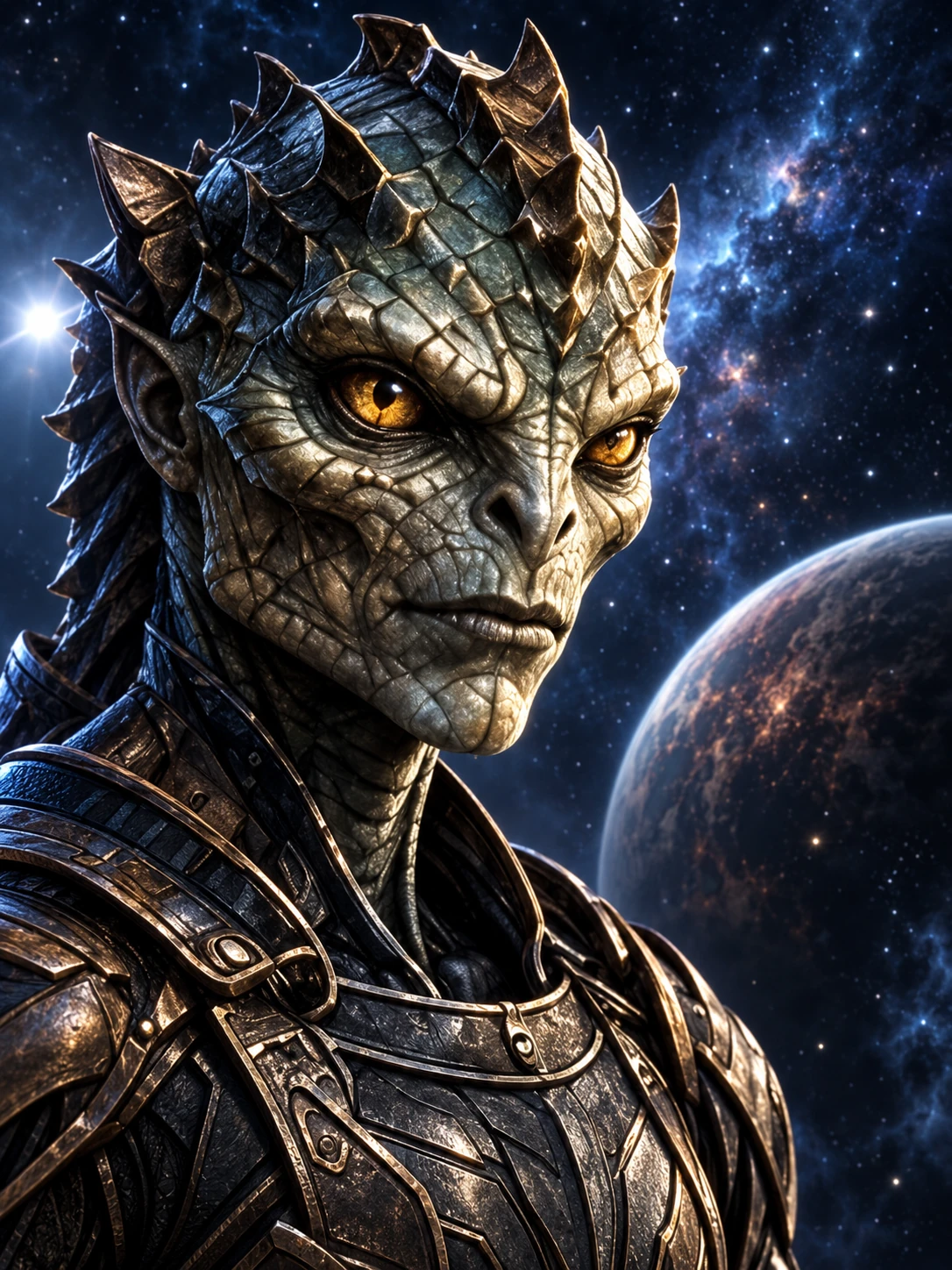
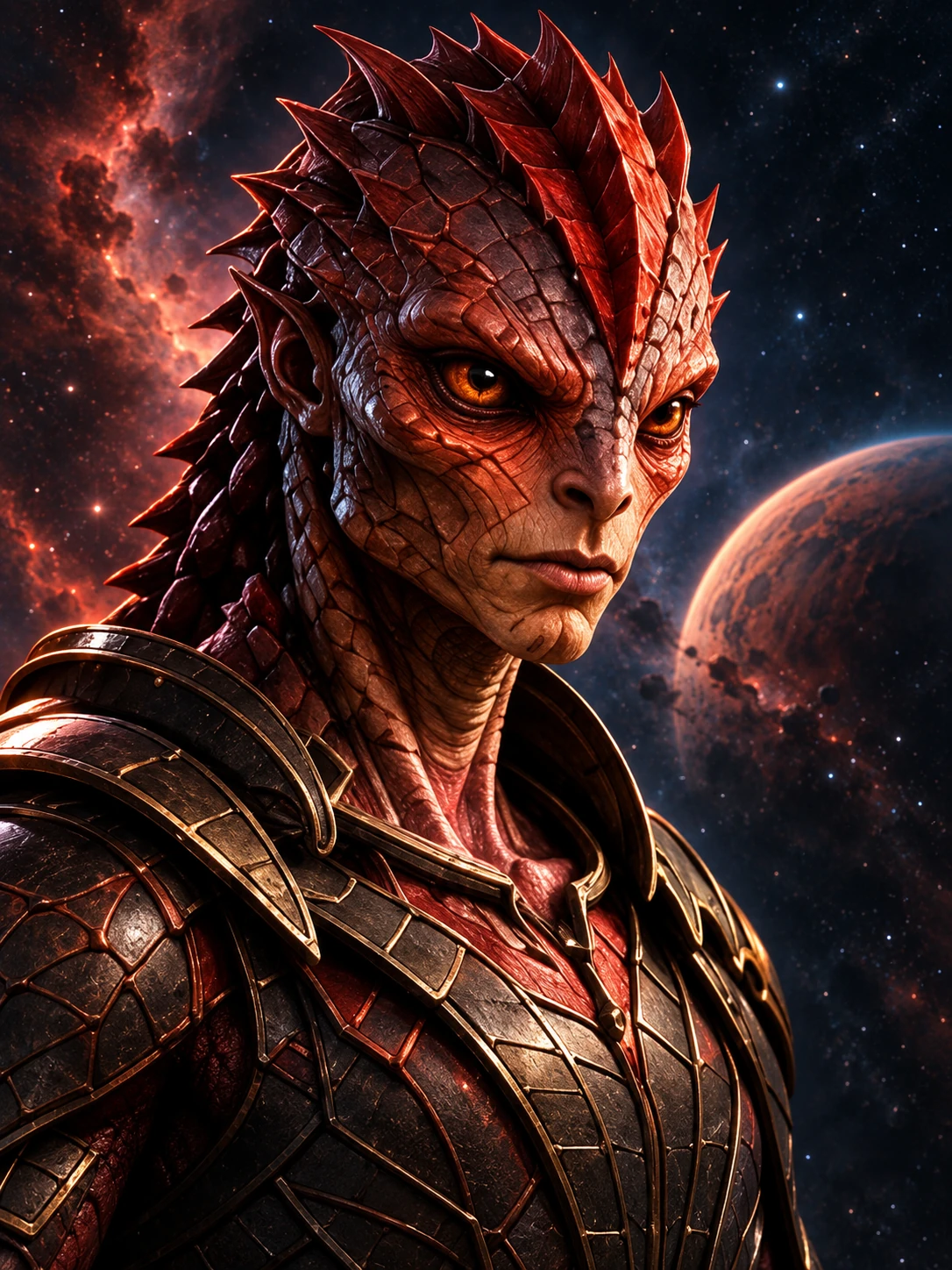
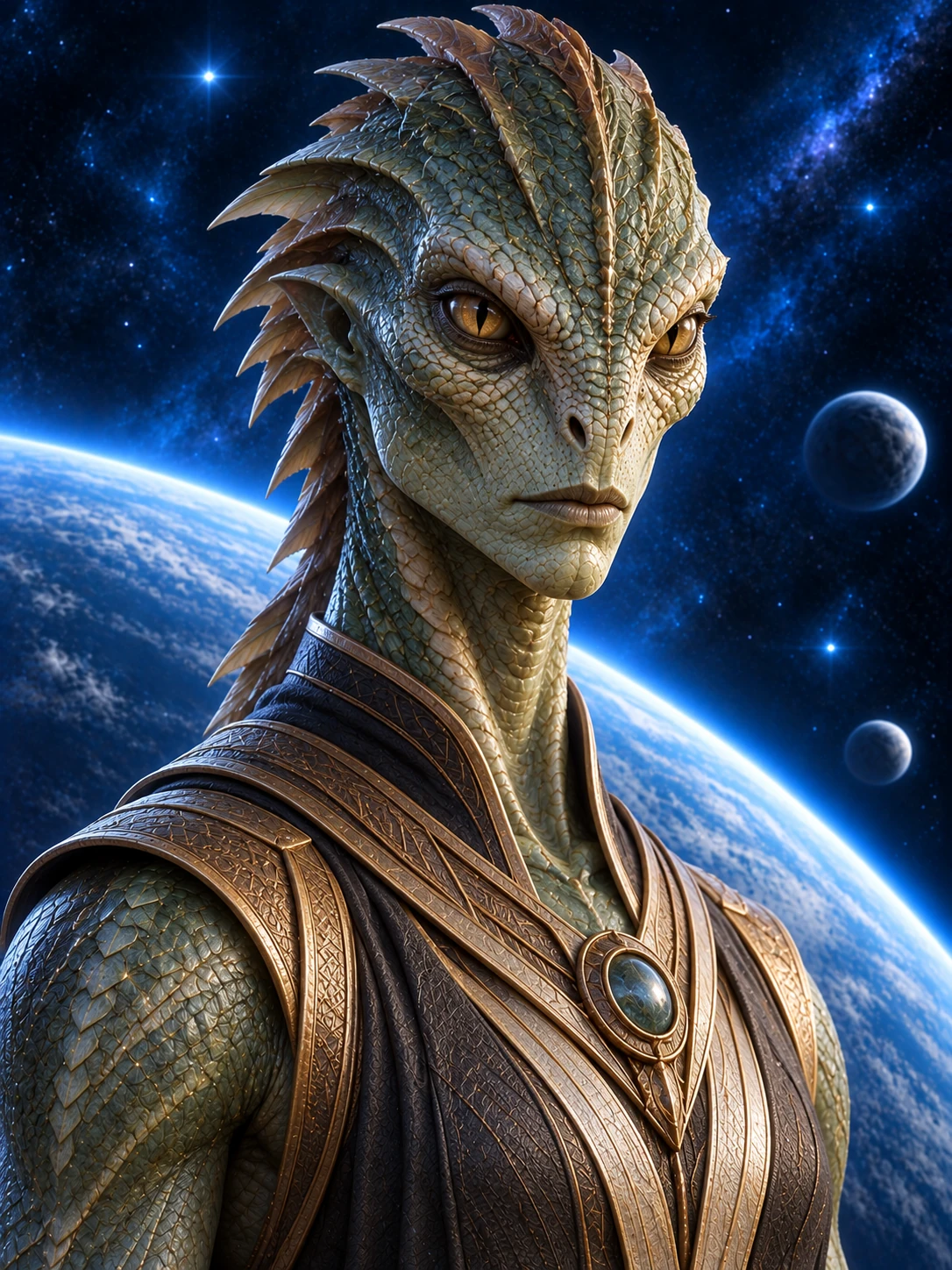
Serpent-people are among the oldest figures in human mythology, appearing in Mesopotamian, Meso-American and Indian tradition. Robert E. Howard's 1929 story 'The Shadow Kingdom' carried the idea into pulp fiction, and in the 1990s it re-emerged as the reptilian conspiracy theory, which claims a hidden scaled elite. That last form is unsupported and has been widely criticised for its overlap with antisemitic narratives.
XenoAtlas records three variants: the Reptilian archetype itself, the imperial Draconian of fiction and role-playing games, and the hardier Lizardian survivor type. All three are folklore or fiction.
- Common traits
- Tall, muscular, scaled skin
- Vertical pupils, sometimes horns or a tail
- Portrayed as hierarchical and strategic
- Almost entirely absent from sighting reports
- Where it comes from
- World serpent mythology; pulp fiction from 1929; conspiracy writing from the 1990s.
Insectoid types
Mantis beings, hive collectives and the Mothman
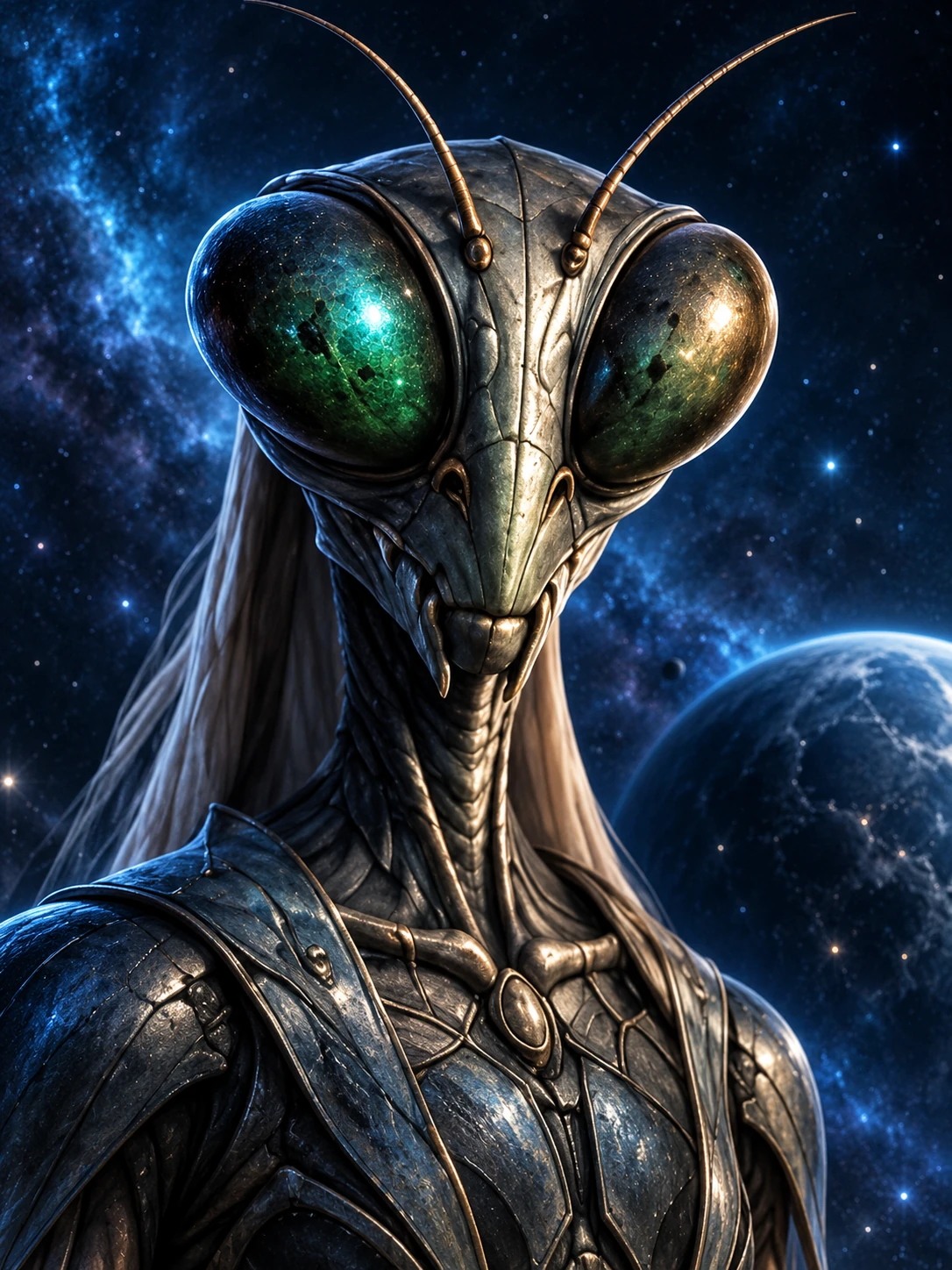
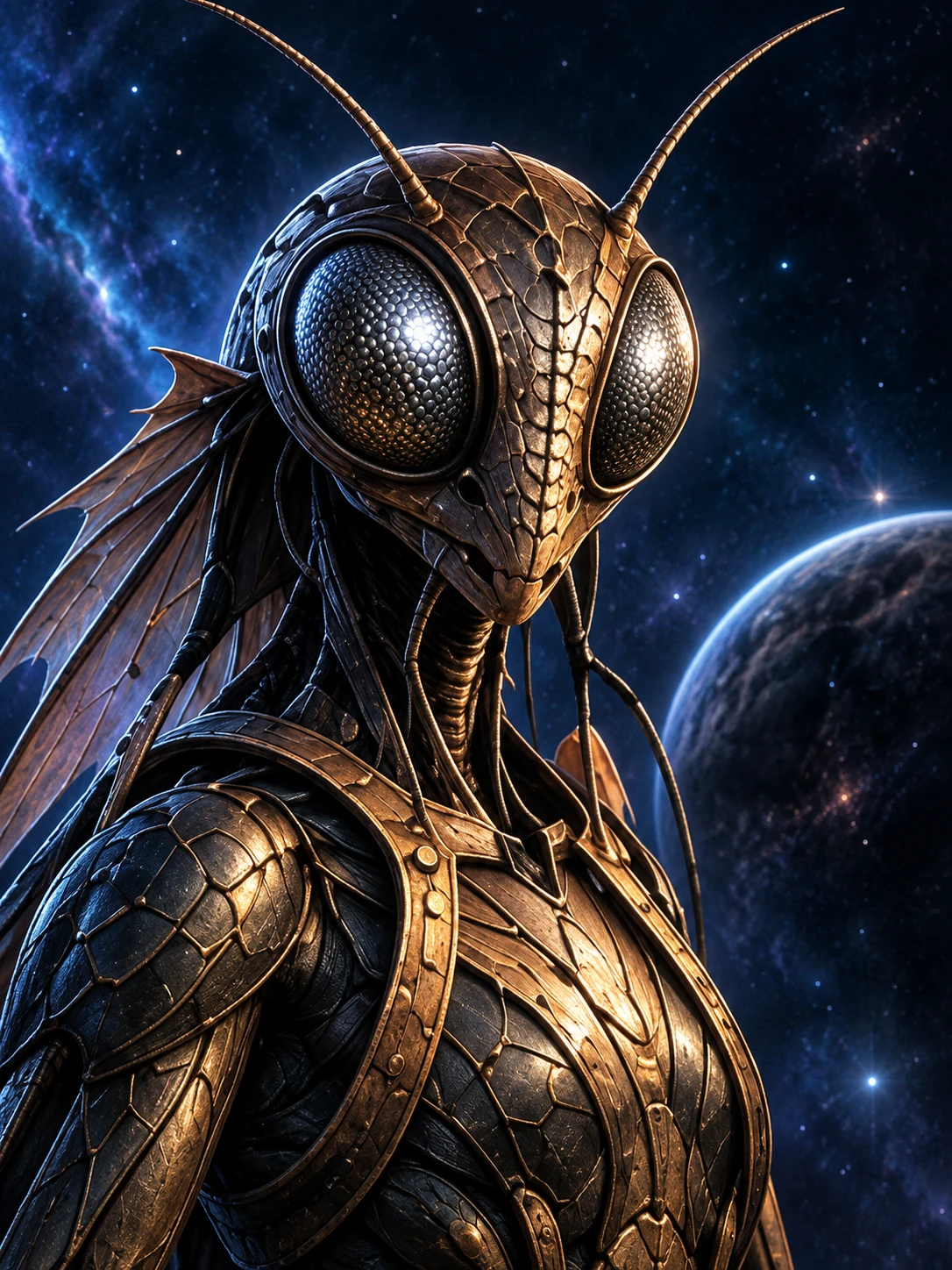
Insect-like beings occupy a smaller but persistent corner of the reports. The most consistent is the Mantid, a tall praying-mantis figure that a minority of abduction accounts describe standing behind smaller Greys as a supervisor. The generic Insectoid, chitinous and hive-minded, owes more to science fiction from H. G. Wells onward.
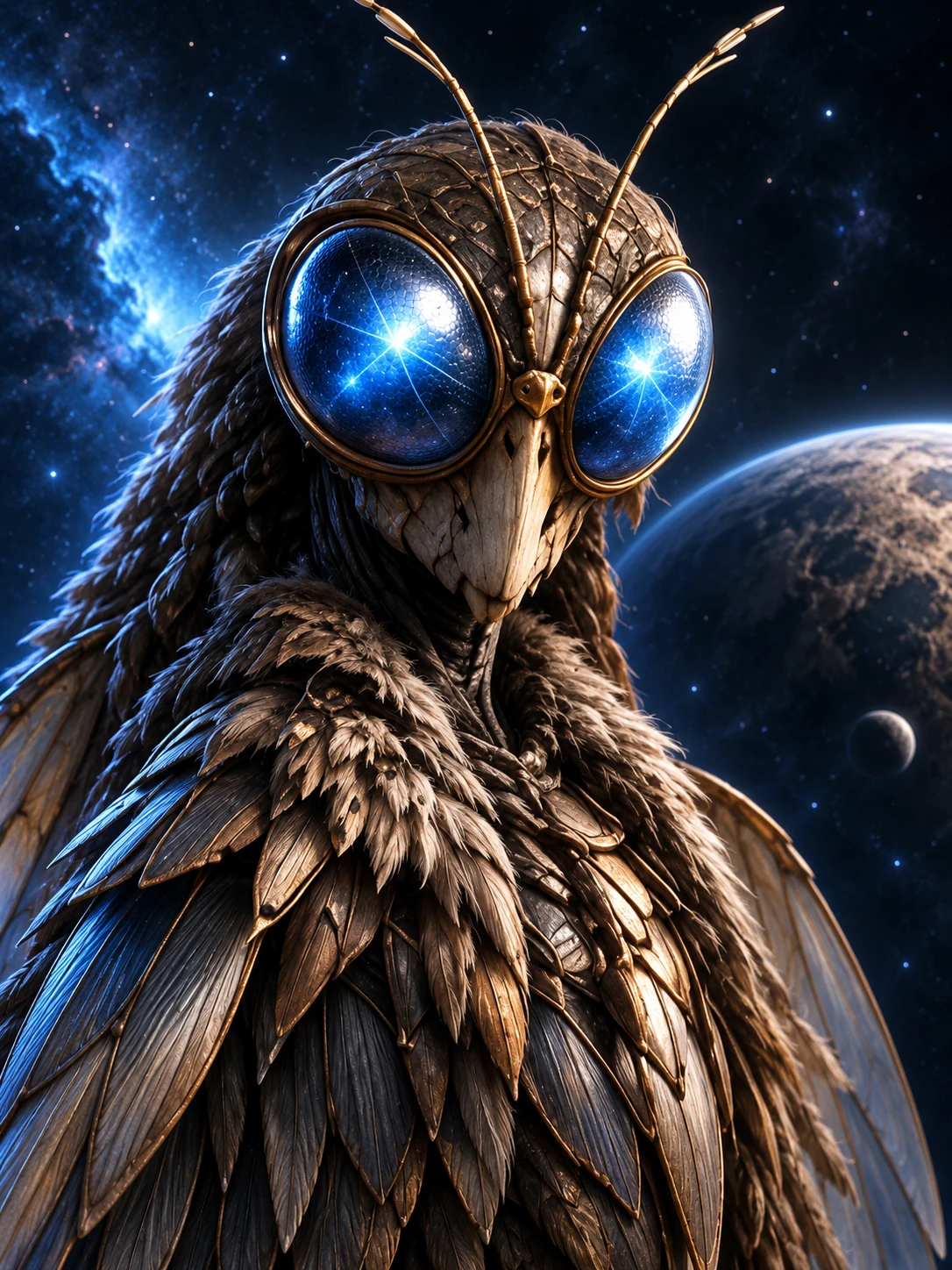
The Mothman belongs here by shape rather than by origin: the winged, red-eyed figure reported around Point Pleasant, West Virginia, in 1966 and 1967 is a landmark of American folklore and is usually explained as a misidentified bird.
- Common traits
- Compound or oversized eyes, antennae
- Chitinous or plated bodies
- Described as analytical, collective or silent
- Mantid reported as an overseer figure
- Where it comes from
- Abduction literature from the 1980s; Point Pleasant sightings, 1966 to 1967; science fiction.
Avian types
Bird-headed beings from Horus to the Blue Avians
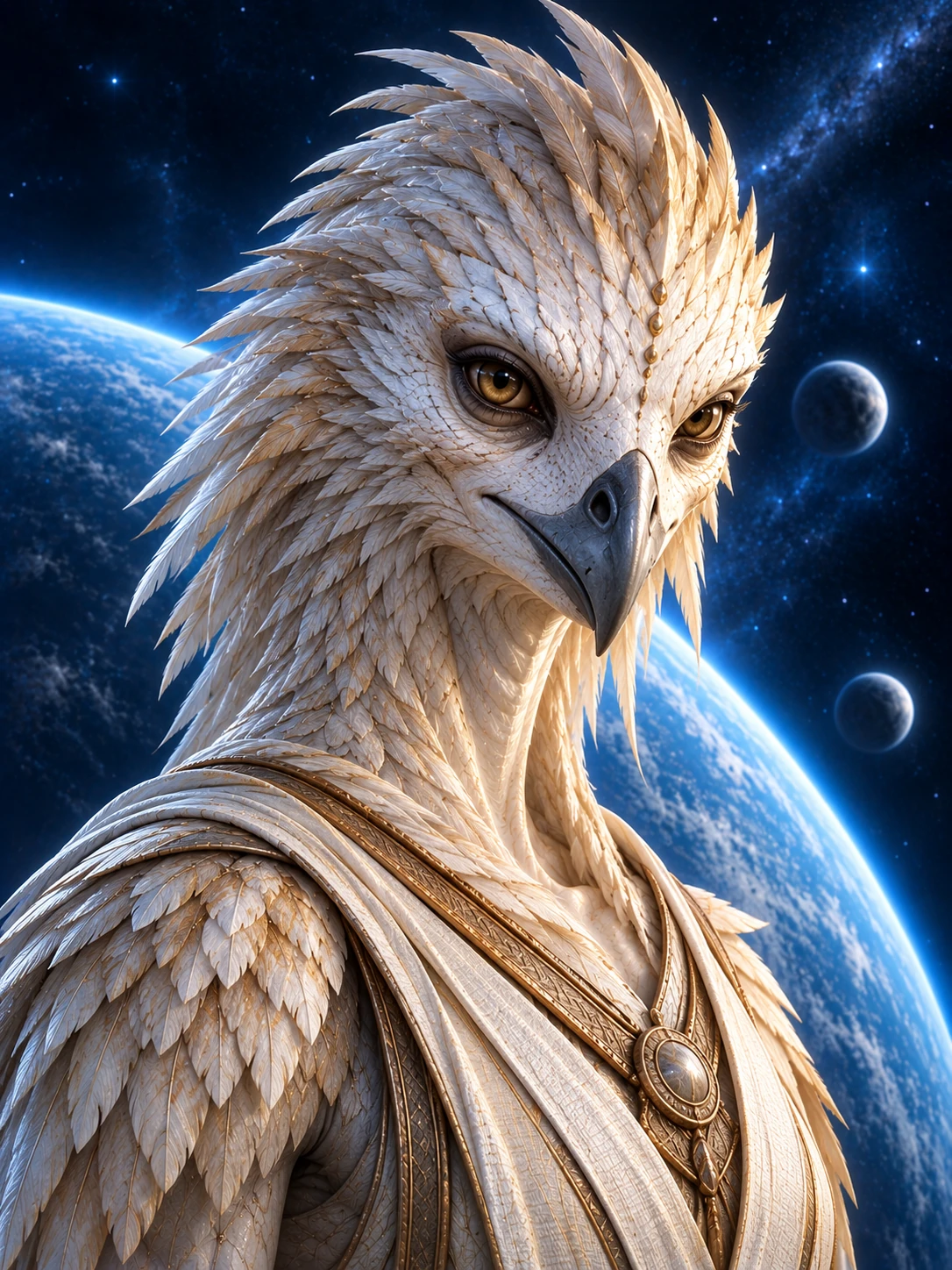
Bird-headed gods run through Egyptian, Mesoamerican and Hindu tradition, and the form returned in 2015 contactee media as the 'Blue Avians'. The Avian is catalogued as a recurring mythic archetype that modern lore has redressed as a visitor.
- Common traits
- Beaked or raptor-like face, feathers
- Framed as messengers and record keepers
- No consistent home system
- Where it comes from
- Comparative mythology; 2015 contactee media.
Animal-hybrid types
Feline and bovine humanoids
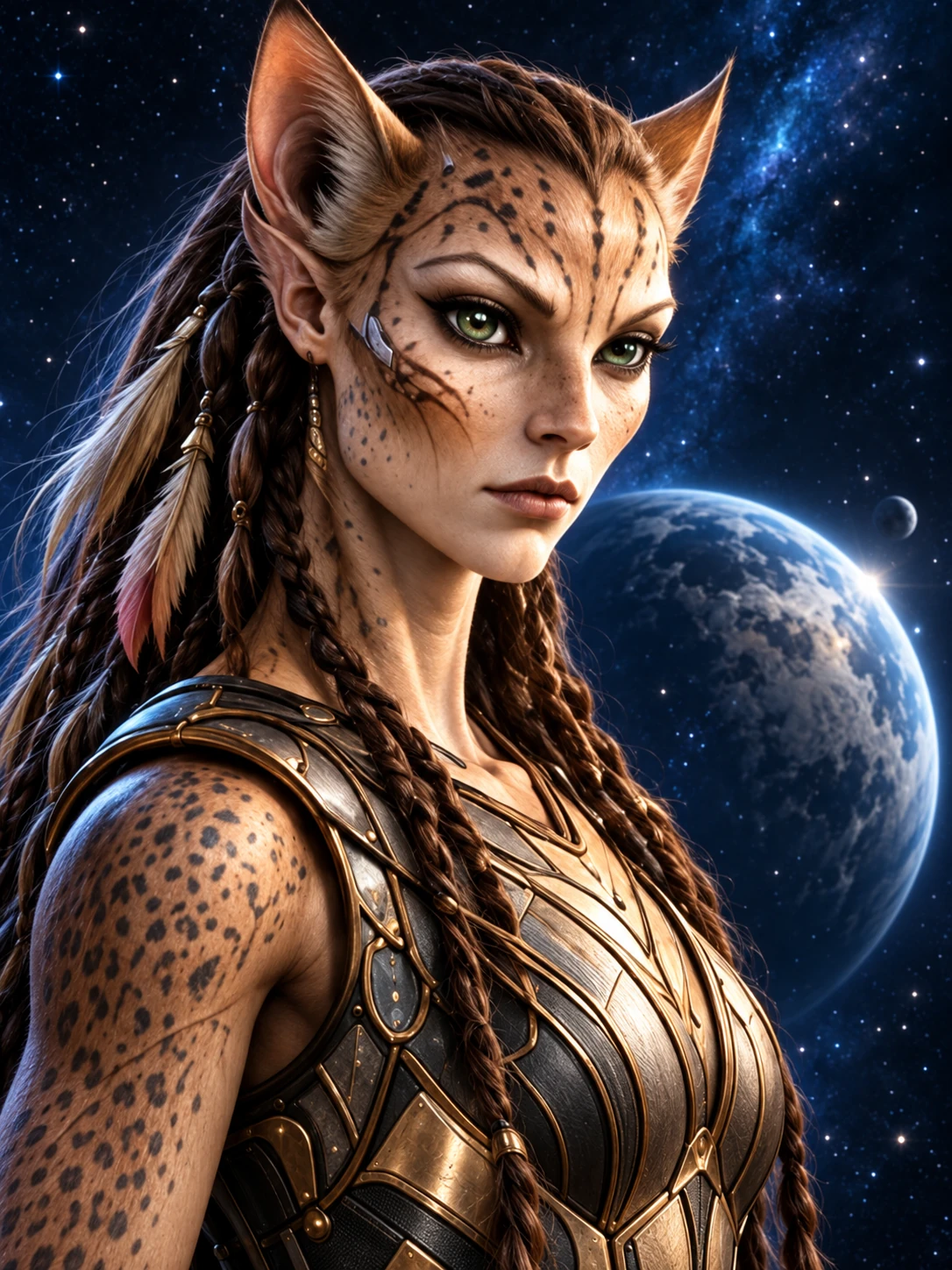
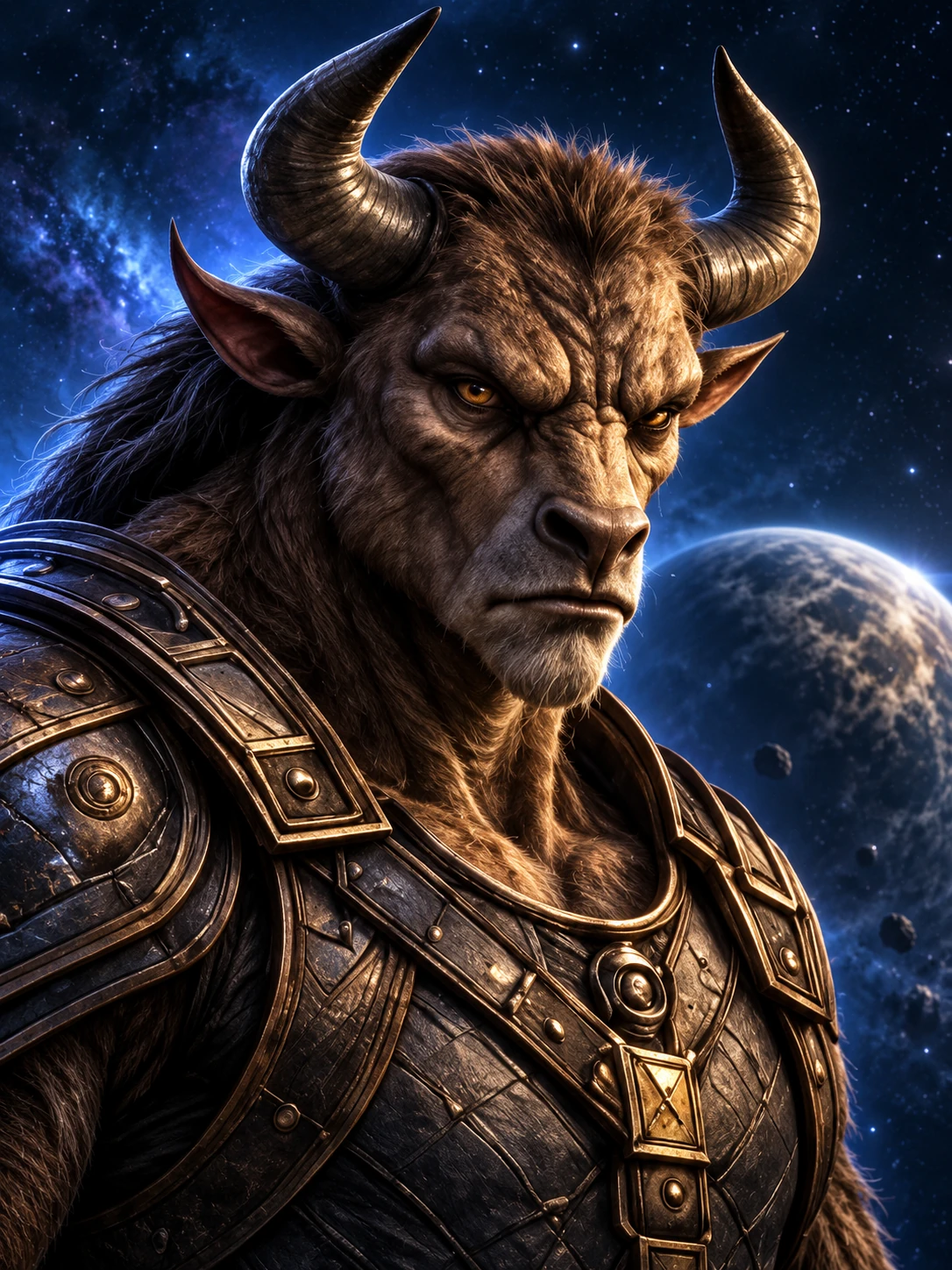
Cat-headed and bull-headed beings are ancient. Egyptian Bastet and Sekhmet, the Minotaur and the Mesopotamian lamassu all predate the flying saucer by millennia. Channelled cosmology adopted the feline form as the 'Lyran feline' lineage, one of the supposed original humanoid families, while the Taurian is a modern synthesis of bull myth with the constellation Taurus.
- Common traits
- Human body with animal head or features
- Rooted in deity iconography
- Portrayed as guardians and builders
- Where it comes from
- Ancient religious iconography; 1980s and 1990s channelled literature.
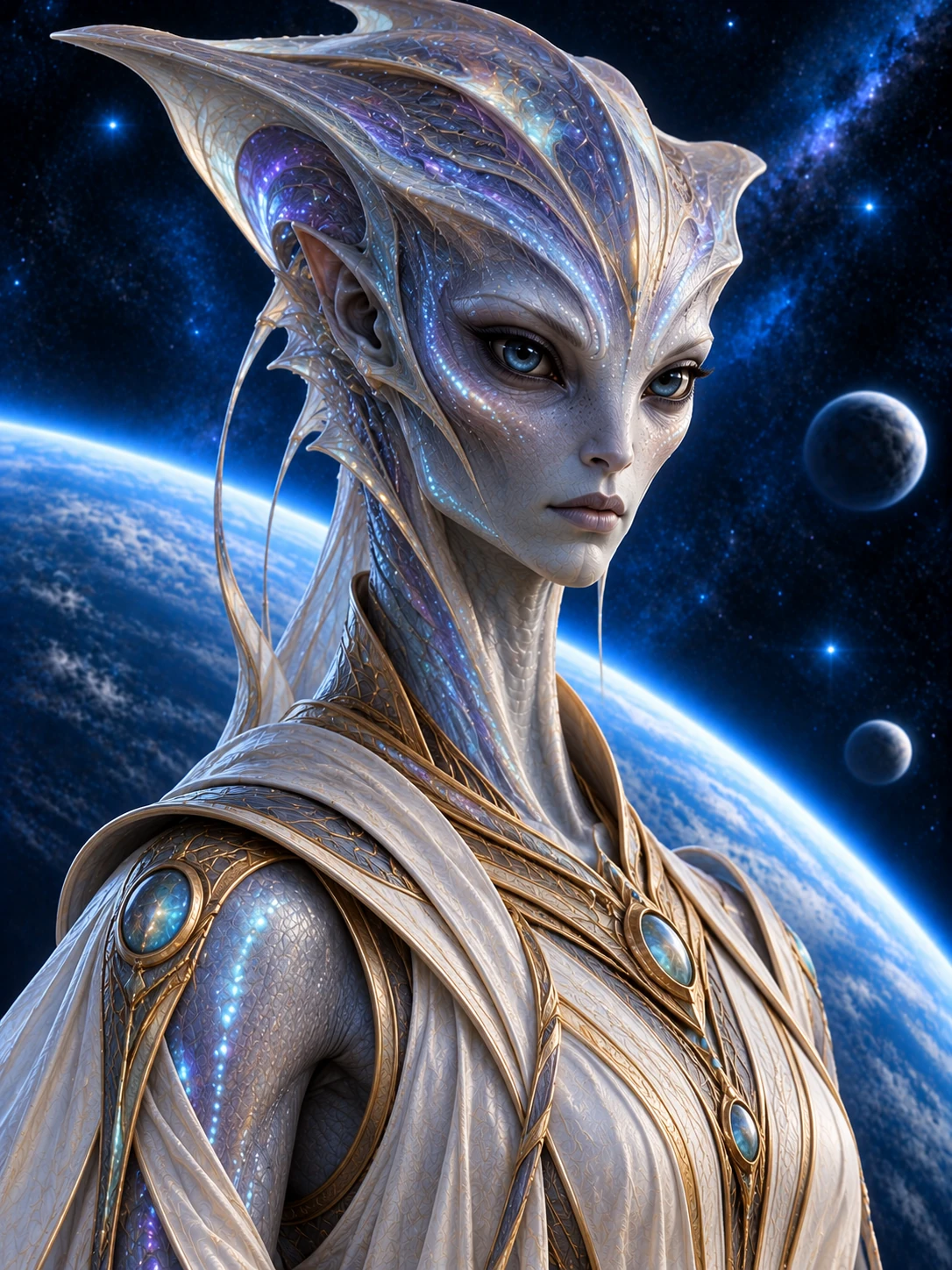
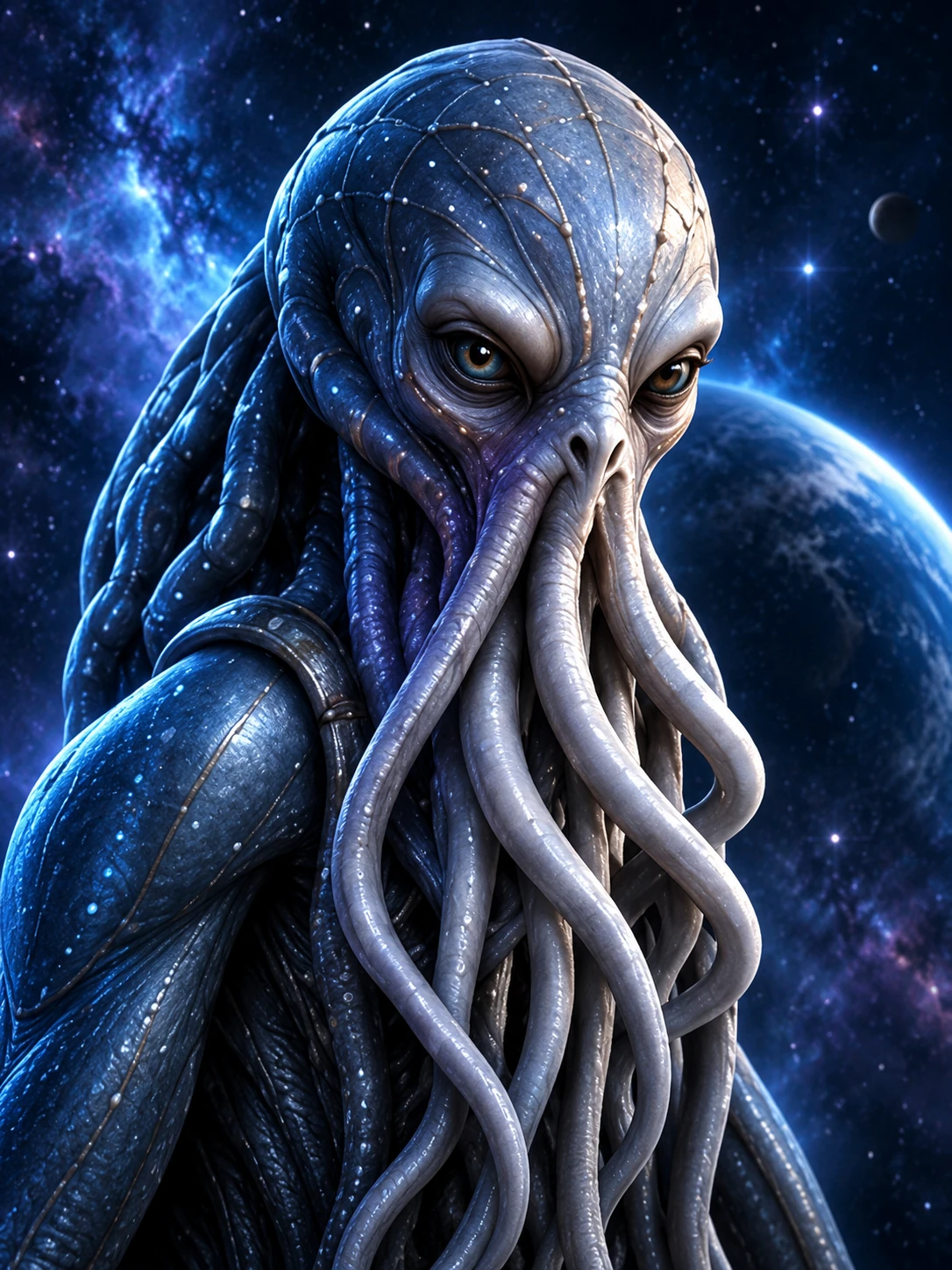
Aquatic and amphibian types
Ocean-world intelligences and the fish-people of myth
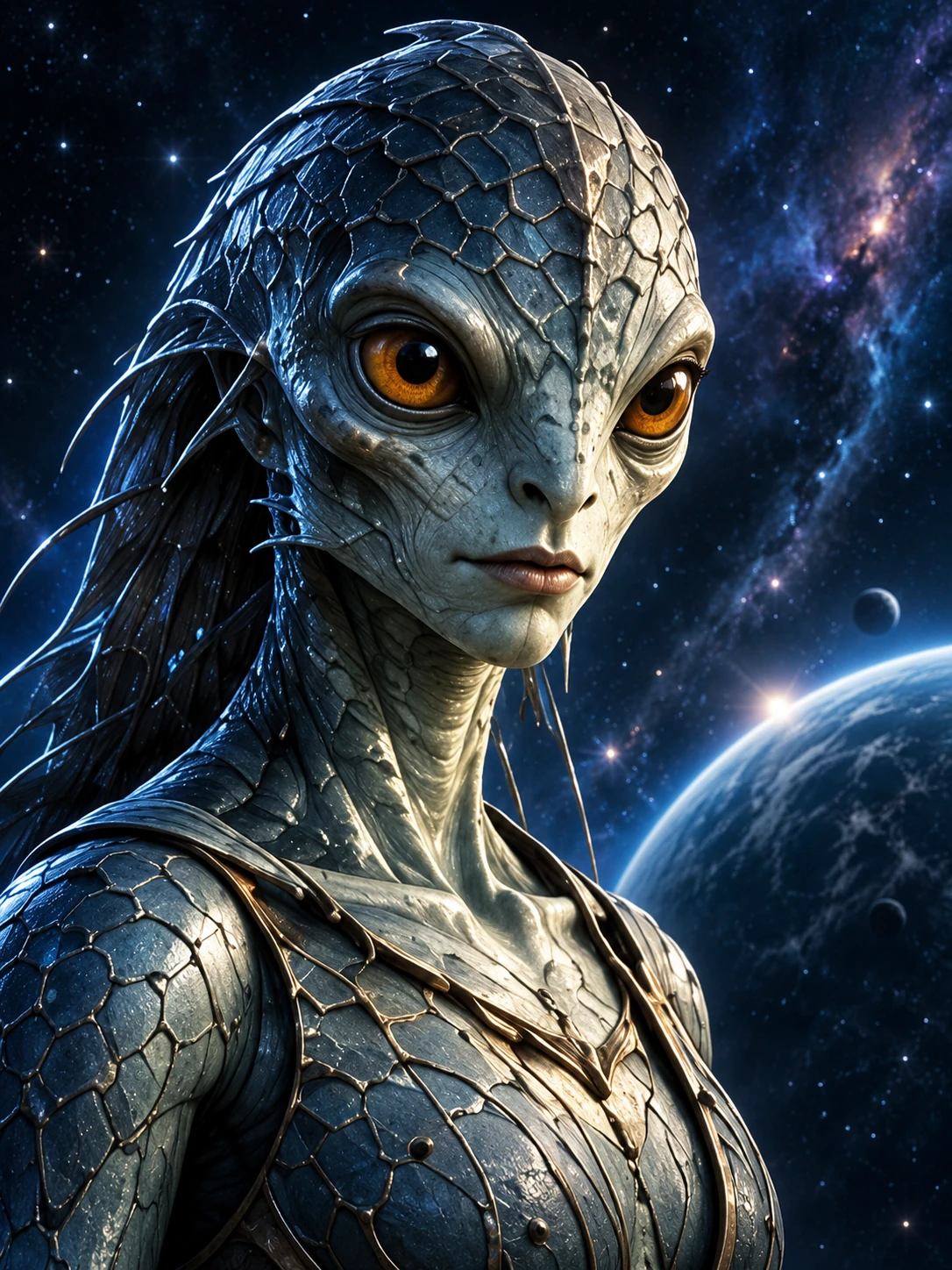
Amphibious visitors have a long pedigree: the Babylonian Oannes who taught humanity civilisation, and the Nommo of Dogon tradition popularised in the 1970s. Fiction added the finned Deep Ones of H. P. Lovecraft, and astrobiology gave the idea a speculative footing by taking ocean worlds seriously as habitats. The tentacled Cephalopod is the furthest extrapolation, modelled on the intelligence of Earth's octopuses.
- Common traits
- Mottled, finned or webbed features
- Associated with water worlds
- Range from folklore to hard speculation
- Where it comes from
- Mesopotamian and Dogon tradition; 20th-century fiction; astrobiology.
Energy, elemental and non-physical types
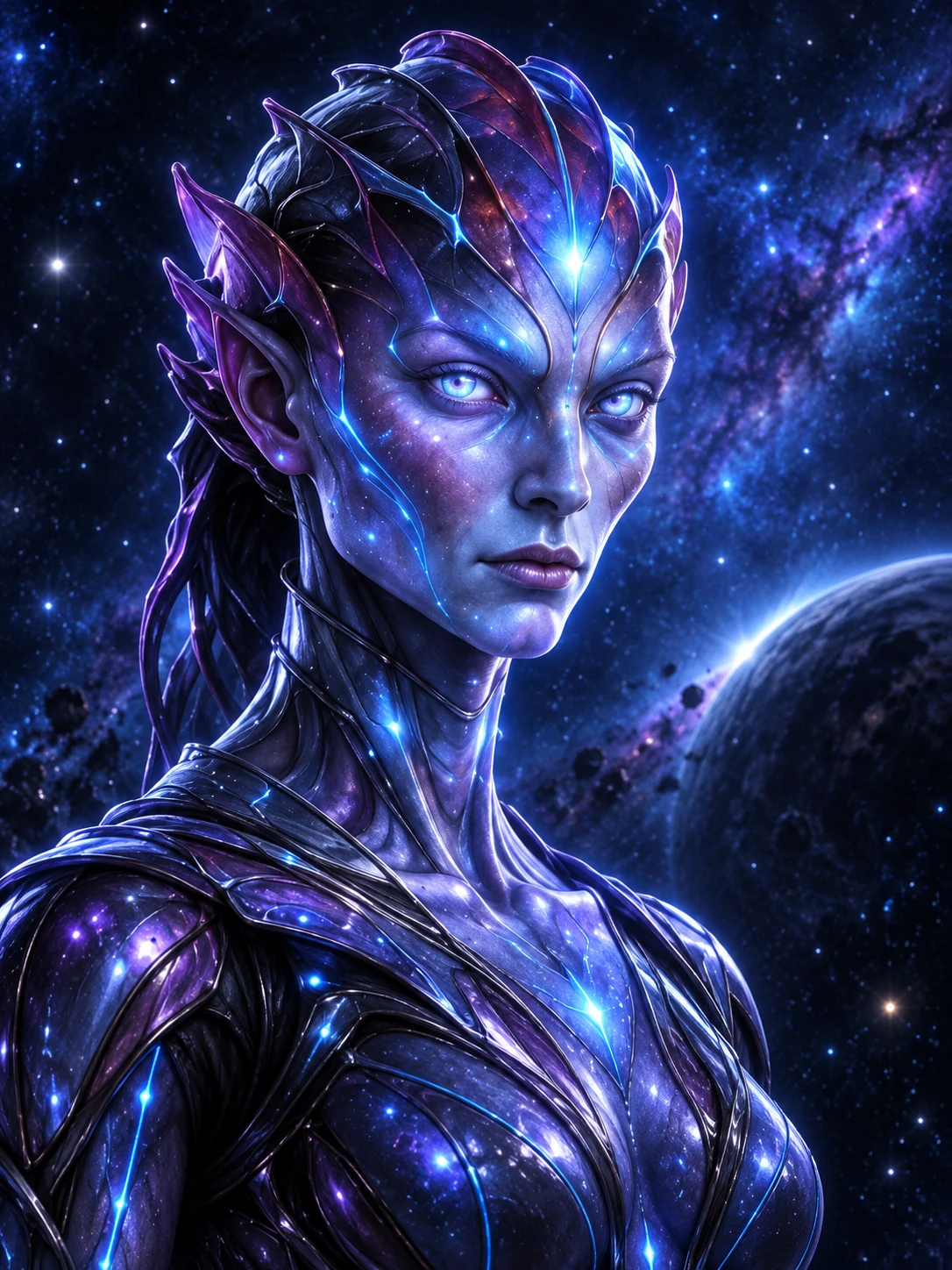
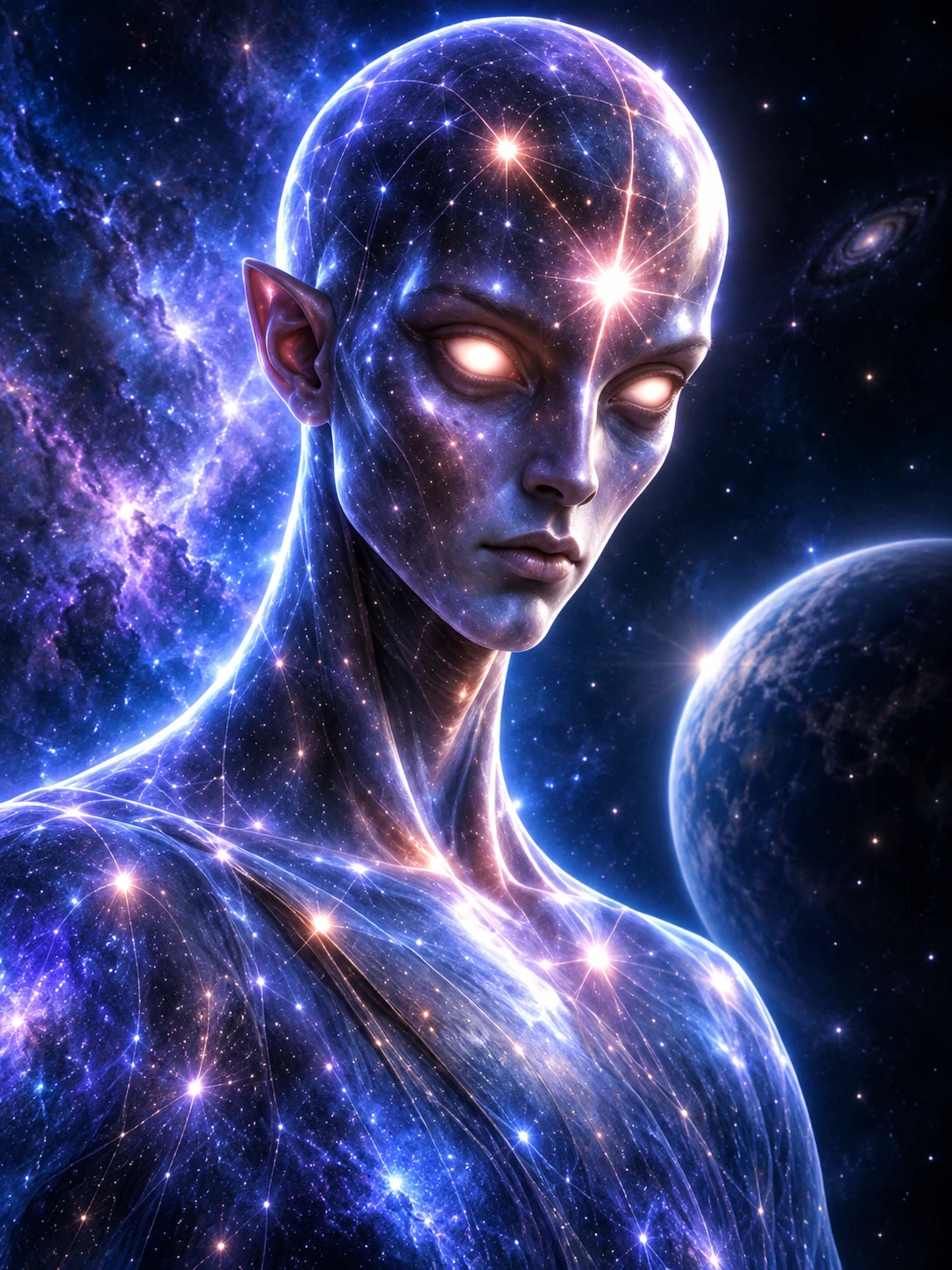
Beings of light, shadow, crystal and stone
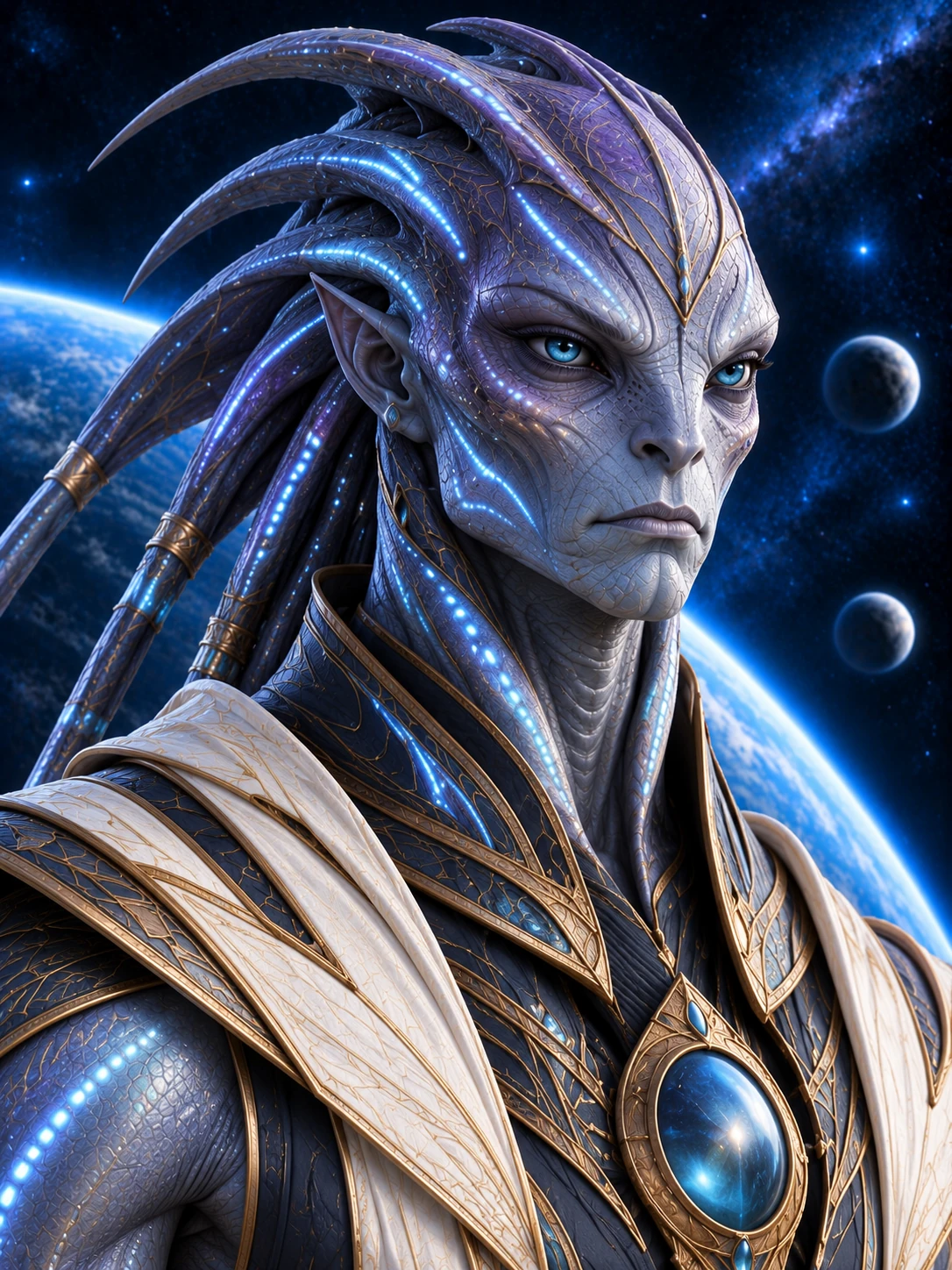
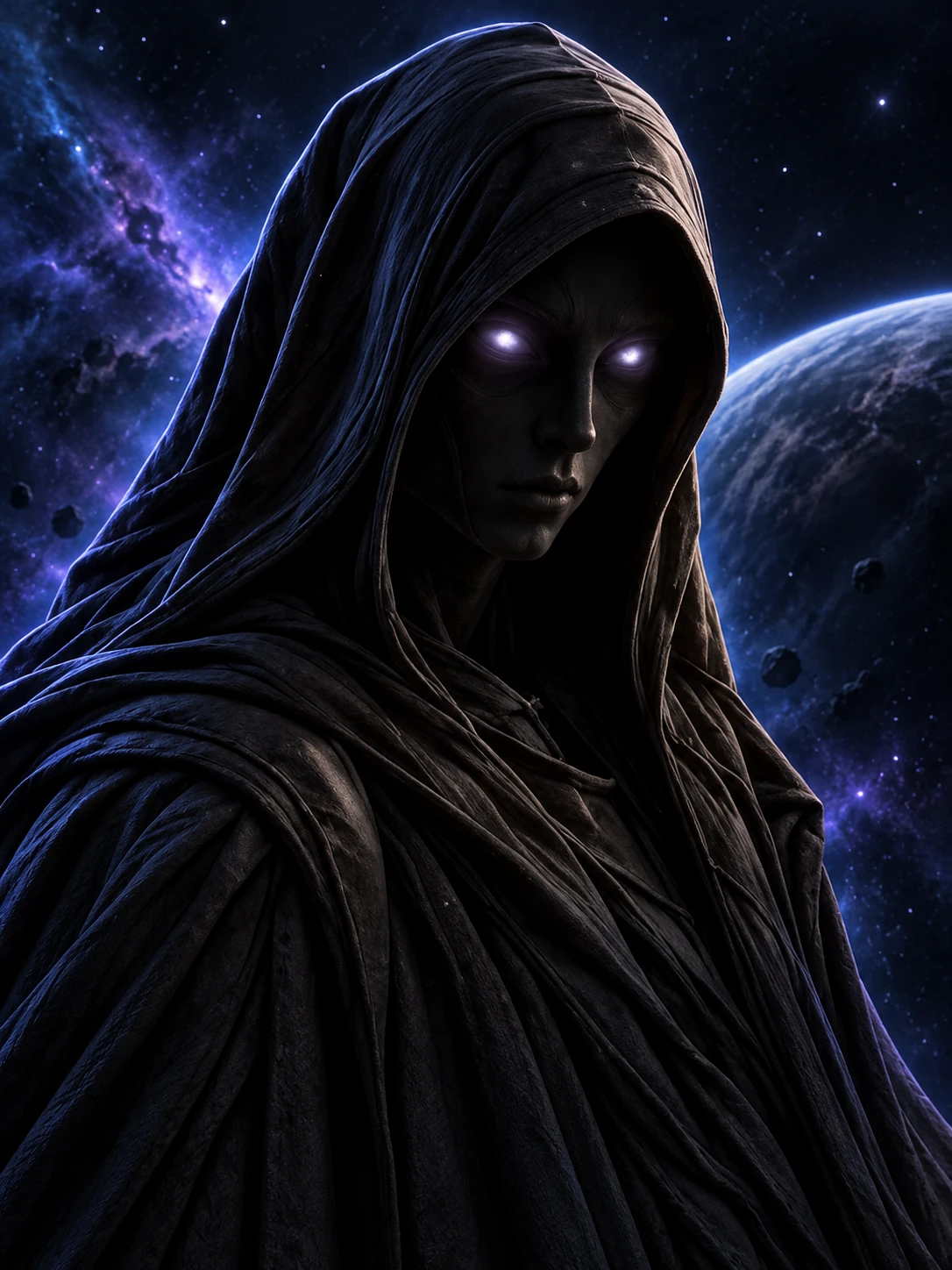
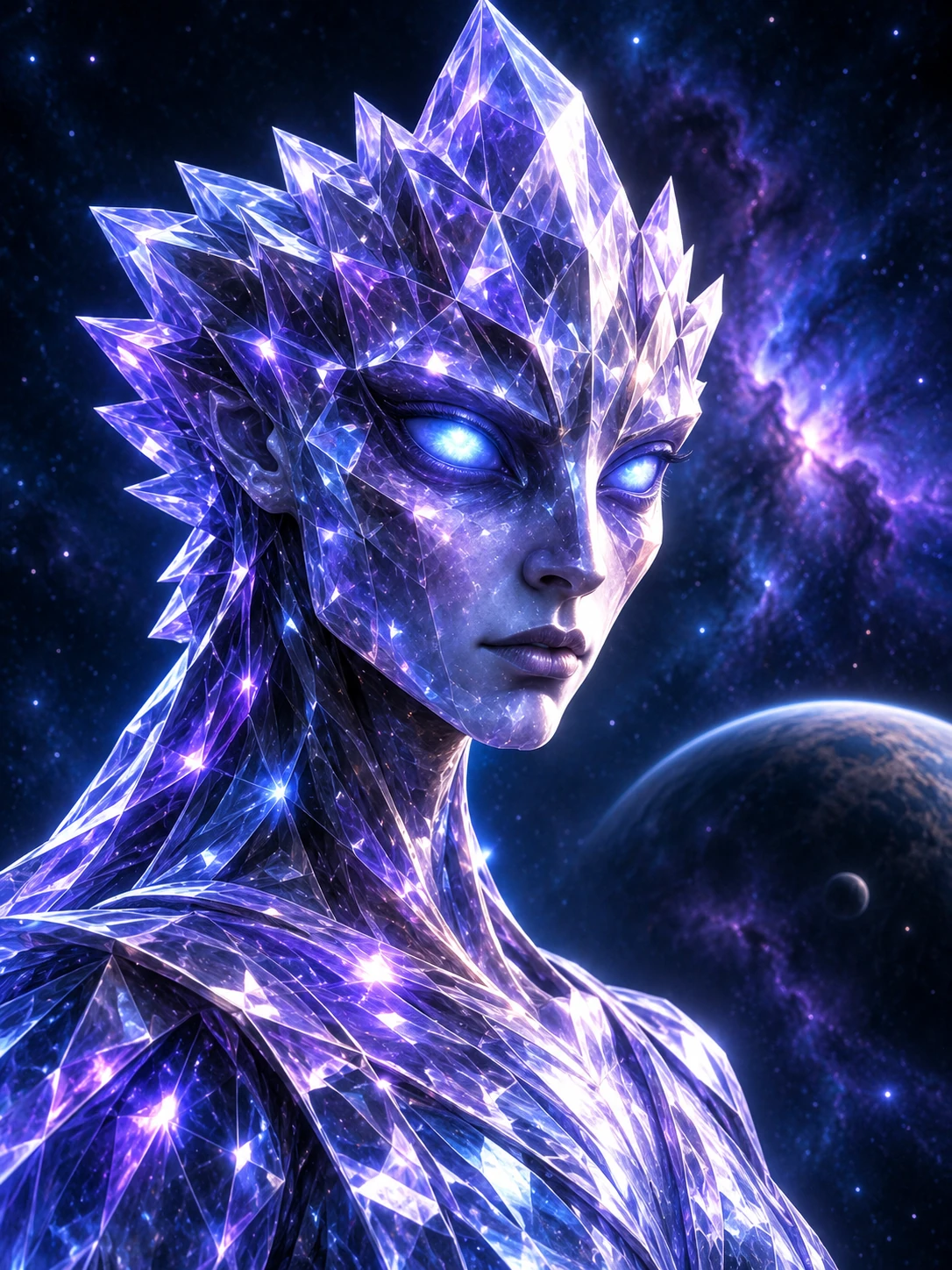
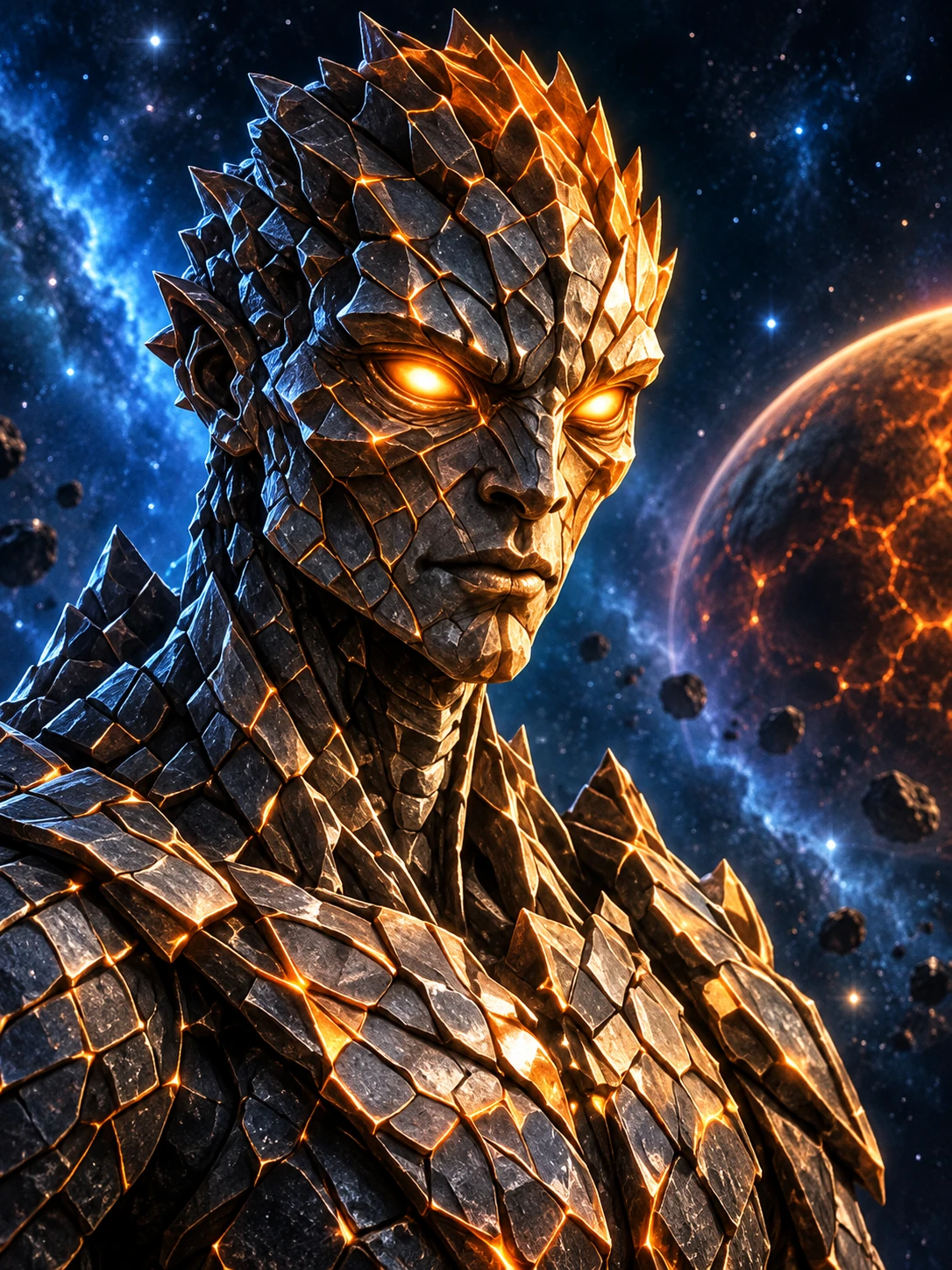
Some catalogued types have little or no body in the ordinary sense. The Arcturian of channelled literature is described as small, blue-skinned and partly non-physical, oriented toward healing. The Celestial is the light-bodied mentor of religious and New Age tradition. The Shadow figure is the dark silhouette reported at the edge of vision, a phenomenon well studied in connection with sleep paralysis. The Crystalline extends astrobiology's silicon-life thought experiment, and the Elemental descends from the fire, earth, air and water spirits codified by Paracelsus in the sixteenth century.
- Common traits
- Variable or non-physical form
- Strong roots in religion, folklore and alchemy
- No sighting corpus in the usual sense
- Where it comes from
- Angelology, sleep-paralysis folklore, Paracelsian alchemy, speculative science.
Case creatures
Beings known from a single famous encounter
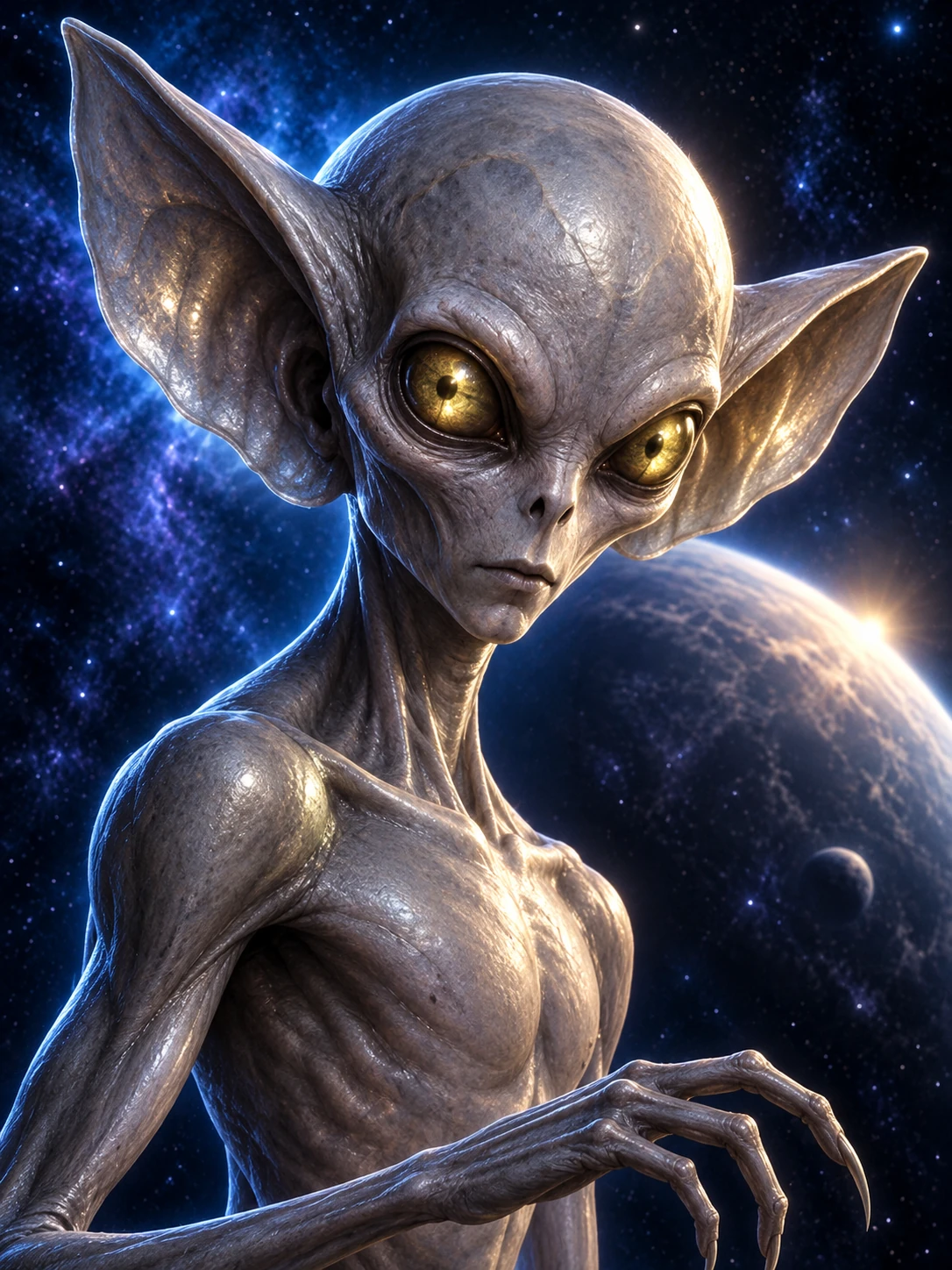
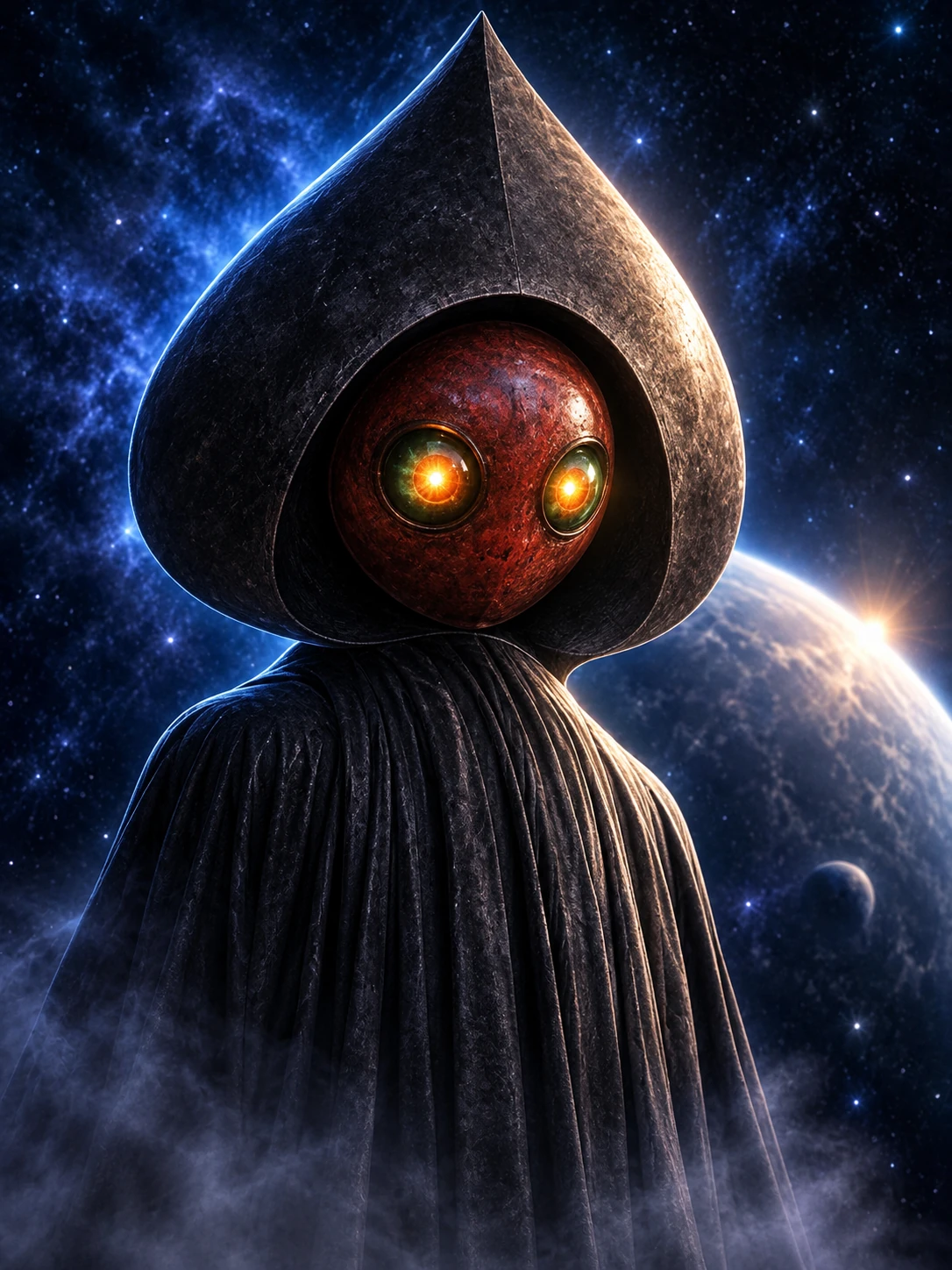
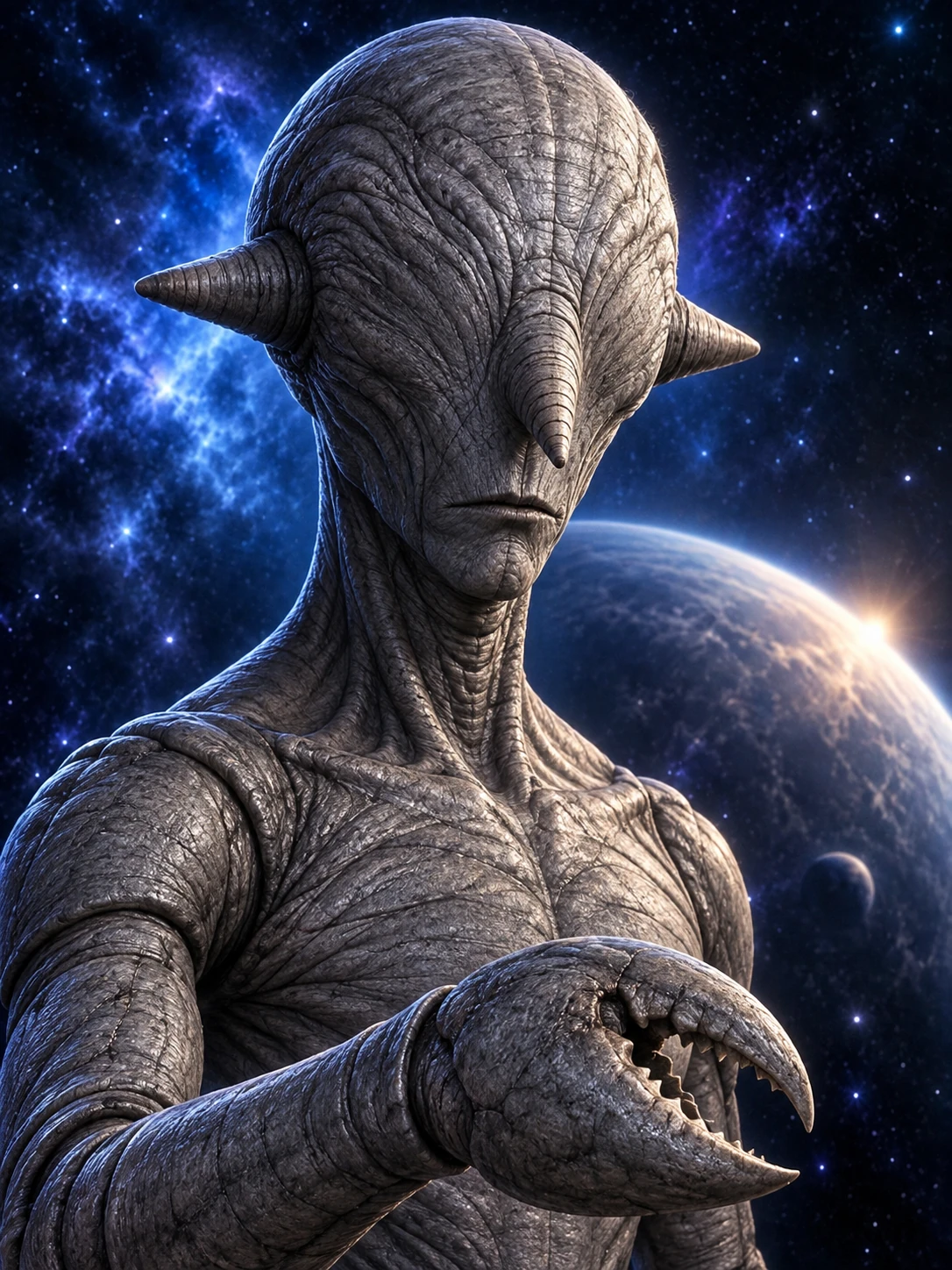
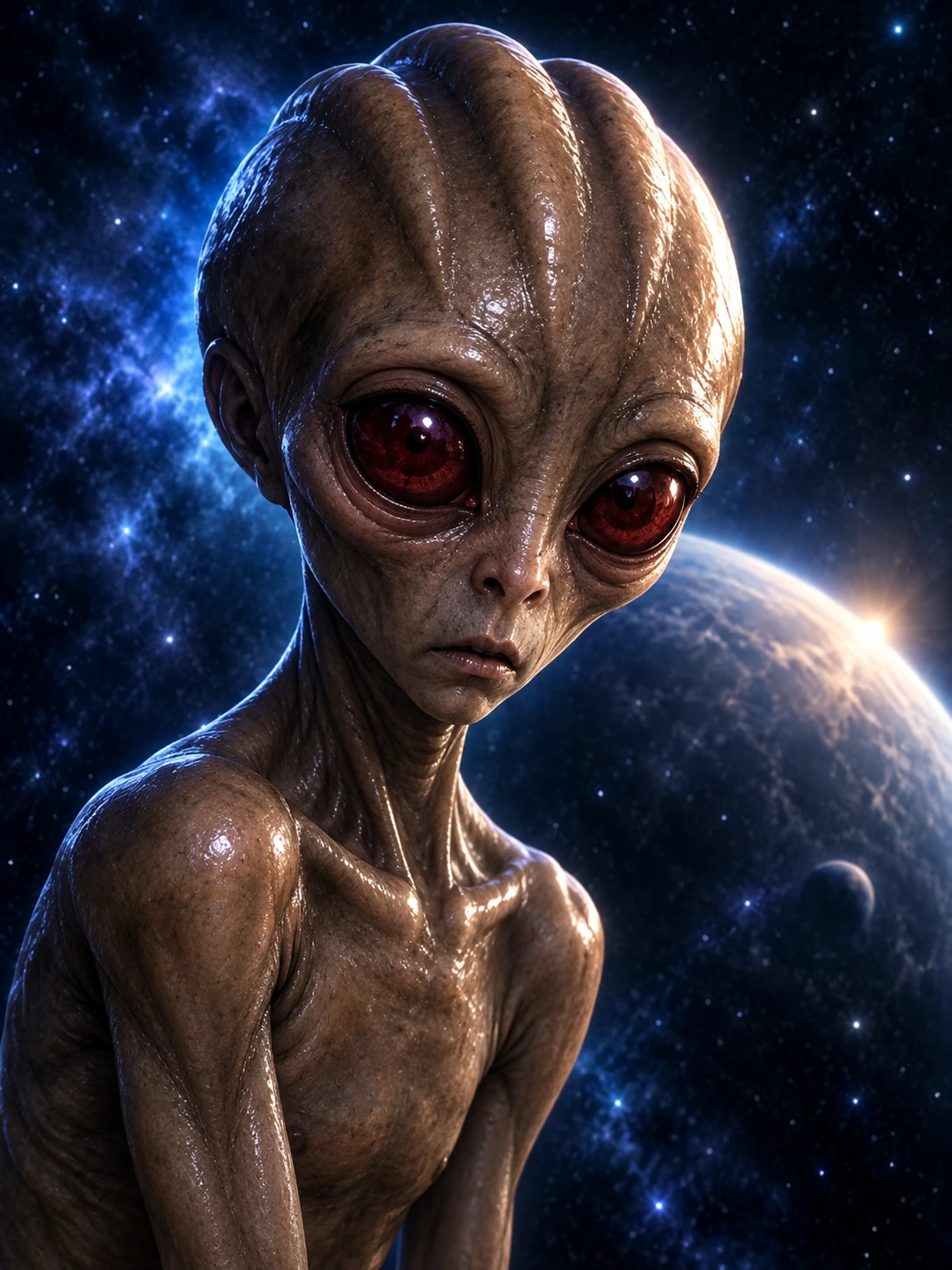
Some of the most vivid beings in the record do not belong to any family. They were seen once, by a handful of people, on one night, and never again: the silver, big-eared creatures that besieged a Kentucky farmhouse in 1955, the hooded giant on a West Virginia hill in 1952, the clawed, wrinkled figures that took two fishermen from a Mississippi pier in 1973, and the red-eyed creature crouched in a Brazilian lot in 1996. Each has a named witness, a same-night report and a sceptical explanation that fits some details and not others.
- Common traits
- Single-event, multi-witness reports
- Descriptions that match no other type
- Unresolved, with owls and misidentification as the usual counter-explanations
- Where it comes from
- Local newspaper and police reports; later investigation by both believers and sceptics.
Synthetic and botanical types
Machines that outlived their makers, and minds that grow
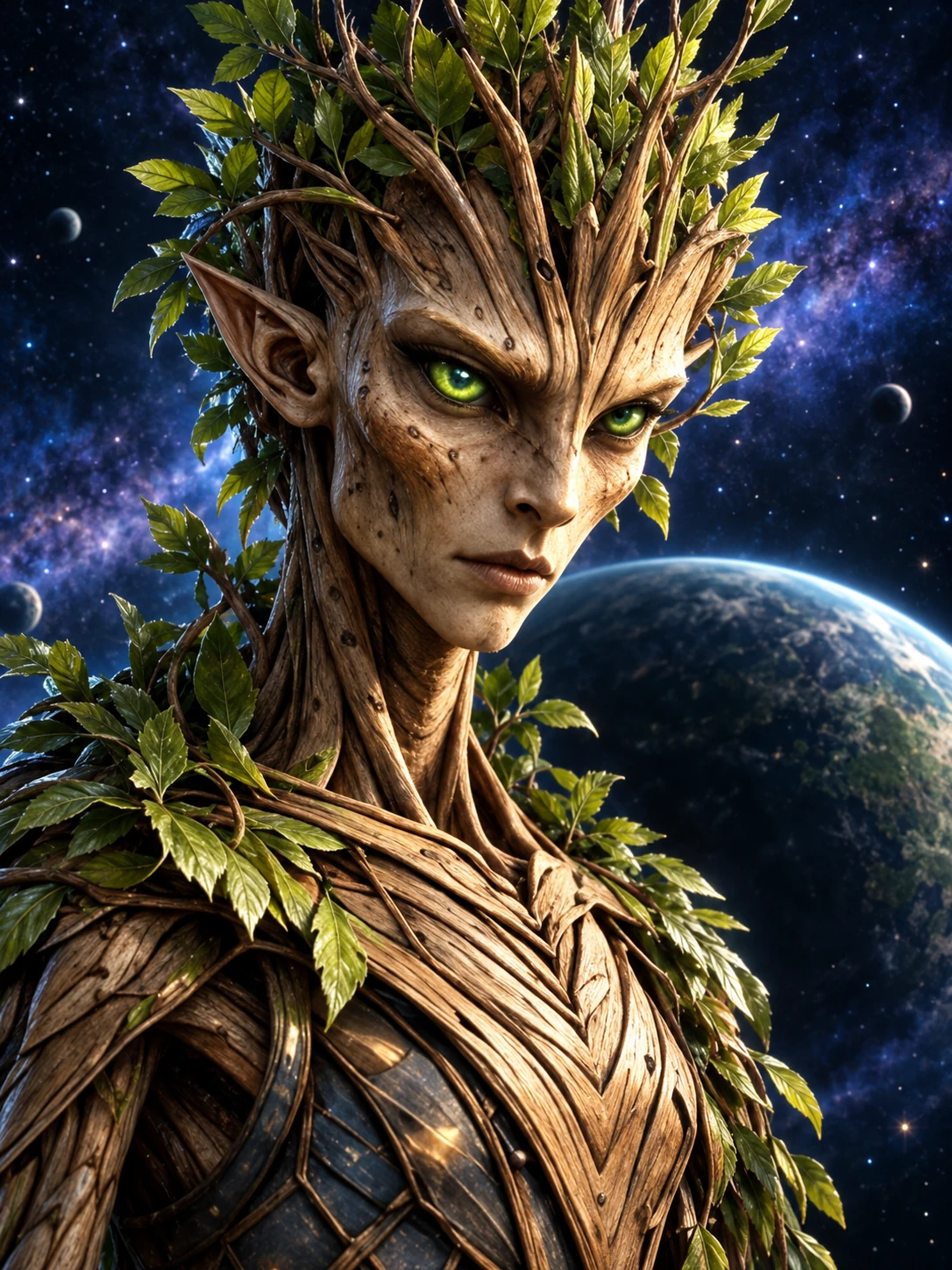
Several astrobiologists argue that the first civilisation we contact is more likely to be post-biological than biological, because machine intelligence survives interstellar distances that organisms cannot. The Robotic type gives that argument a face. The Plantoid is its botanical counterpart, a slow, rooted intelligence drawn from Green Man folklore and plant-people fiction.
- Common traits
- Machine or plant bodies
- Long or indefinite lifespans
- Speculative rather than reported
- Where it comes from
- Post-biological hypothesis in SETI writing; folklore and fiction.

Questions people ask
How many types of aliens are there?
There is no scientific count, because no extraterrestrial has been verified. Across contactee literature, folklore and fiction, XenoAtlas catalogues 44 named species that fall into ten broad families: human-like, Greys, reptilian, insectoid, avian, animal-hybrid, aquatic, non-physical, case creatures, and synthetic or botanical.
What is the most commonly reported alien?
The Grey. Since the 1961 Hill case it has dominated abduction and close-encounter reports, and it is the only type that appears more in first-hand accounts than in channelled or fictional writing.
Are Greys and Zeta Reticulans the same thing?
Yes, in the lore. The Zeta Reticuli association comes from a 1974 interpretation of a star map Betty Hill drew under hypnosis. XenoAtlas files the Zeta Reticulan under the Grey entry.
What are Nordic aliens?
Tall, fair, human-like beings described in contactee accounts from 1952 onward as calm observers or guides. The type is closely related to the Pleiadian, Venusian and Tall White variants.
Are reptilian aliens real?
There is no evidence for them. Serpent-people are ancient mythology, the modern form comes from 1929 pulp fiction, and the conspiracy version from the 1990s is unsupported and widely criticised.
What do the labels reported, contactee lore, folklore and fictional mean?
They describe where a type comes from, not whether it is true. Reported means first-hand witness accounts; contactee lore means self-described contactees or channelled sessions; folklore means myth and legend; speculative means proposed as a possibility; fictional means created for stories and later absorbed into wider lore.
XenoAtlas documents extraterrestrial concepts appearing in mythology, contactee literature, popular culture, speculative accounts, and related sources. Inclusion does not constitute scientific verification. Read more about the evidence labels or browse the full species index.