

Case creatures
Beings known from a single famous encounter
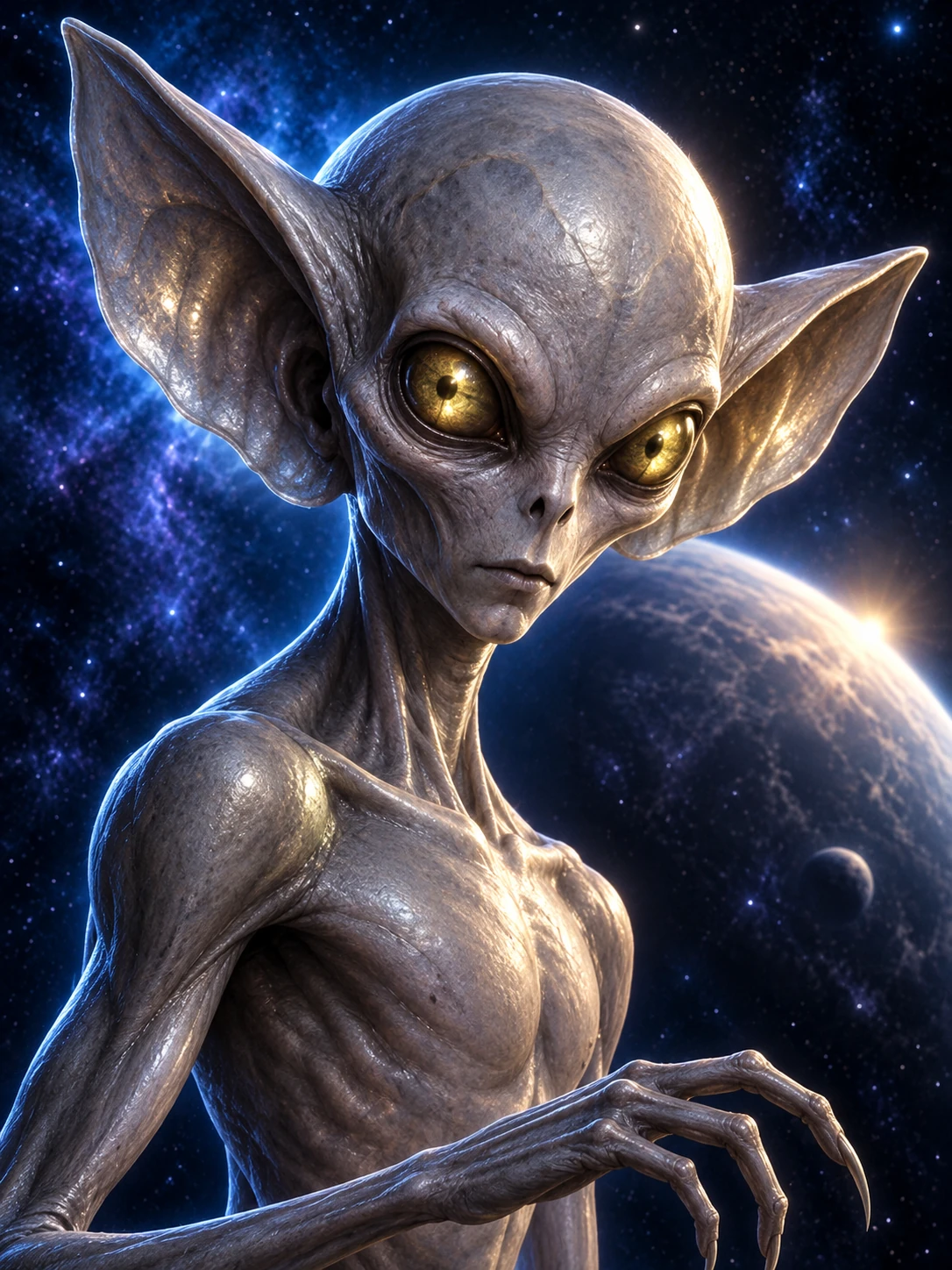 Hopkinsville GoblinReported
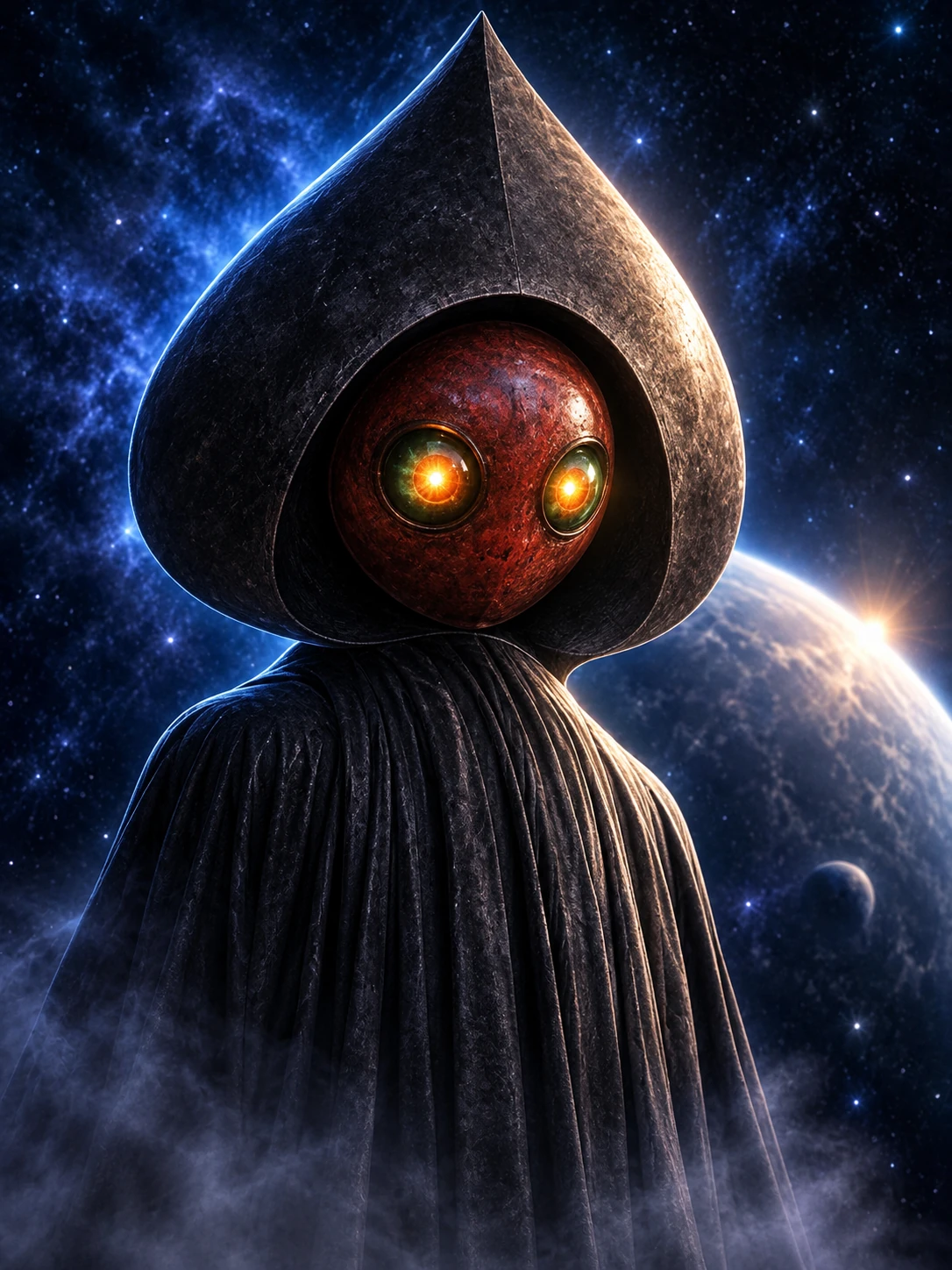 Flatwoods MonsterReported
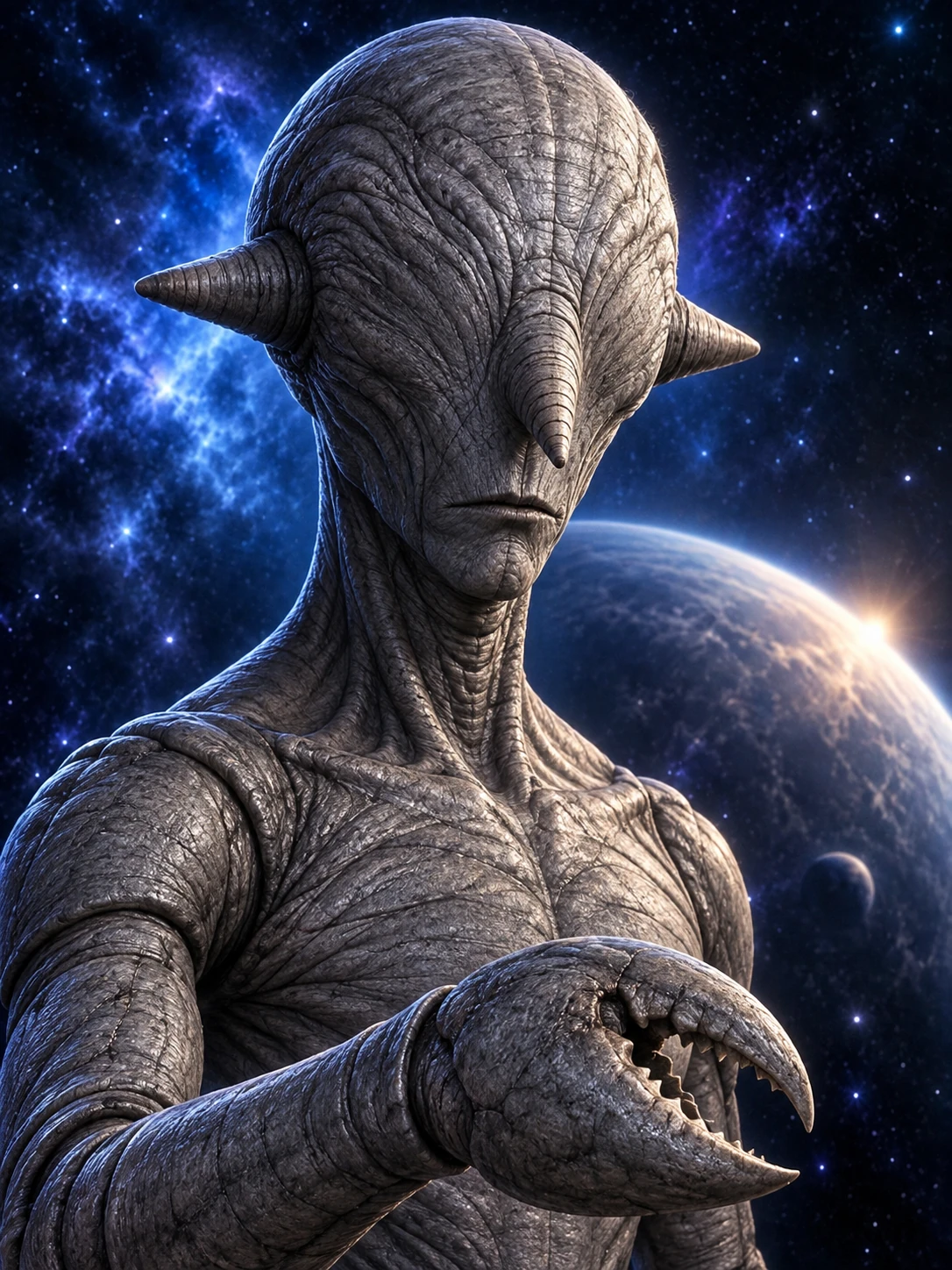 Pascagoula BeingReported
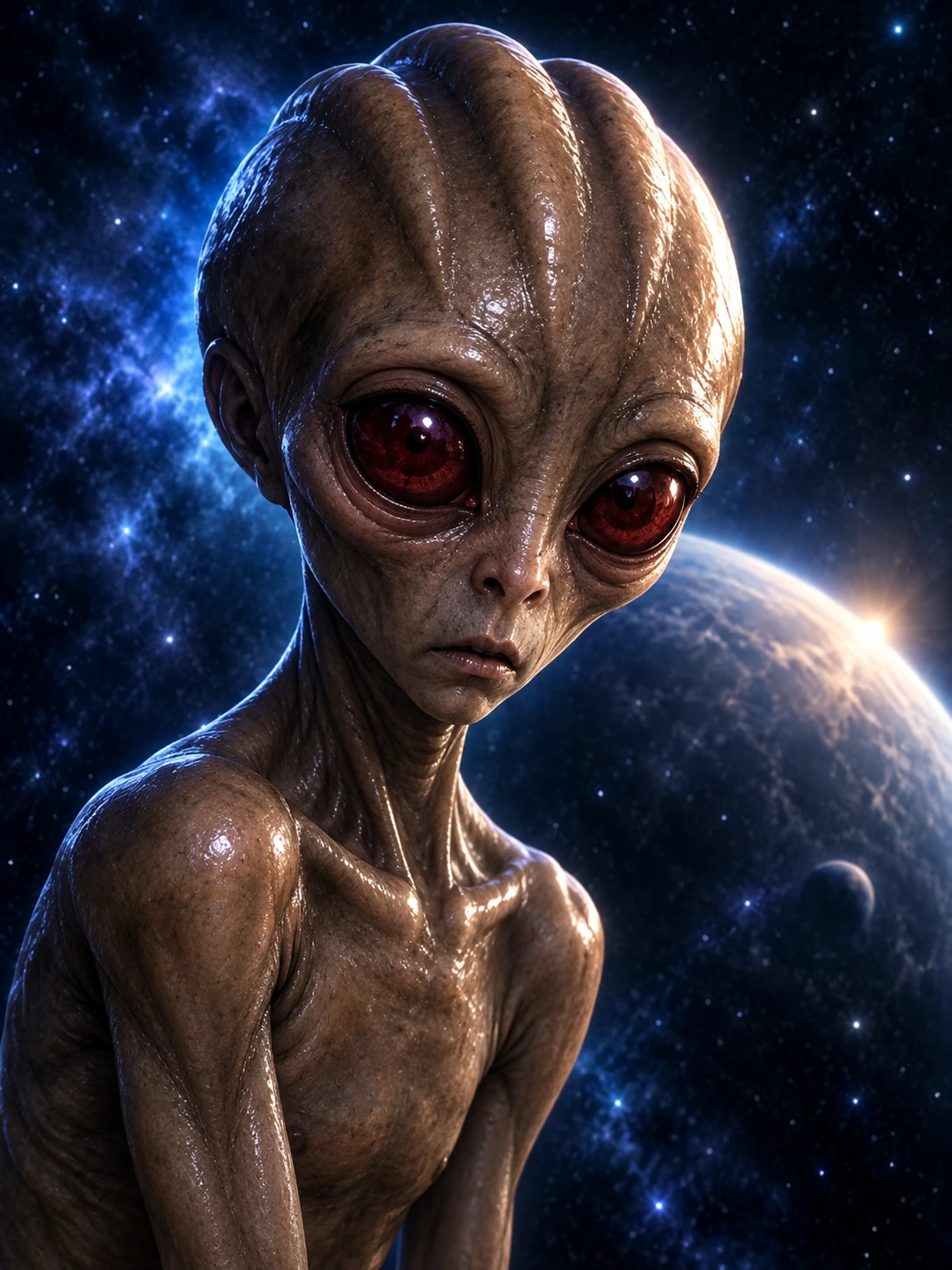 Varginha CreatureReported
The family
Some of the most vivid beings in the record do not belong to any family. They were seen once, by a handful of people, on one night, and never again: the silver, big-eared creatures that besieged a Kentucky farmhouse in 1955, the hooded giant on a West Virginia hill in 1952, the clawed, wrinkled figures that took two fishermen from a Mississippi pier in 1973, and the red-eyed creature crouched in a Brazilian lot in 1996. Each has a named witness, a same-night report and a sceptical explanation that fits some details and not others.
- Common traits
- Single-event, multi-witness reports
- Descriptions that match no other type
- Unresolved, with owls and misidentification as the usual counter-explanations
- Where it comes from
- Local newspaper and police reports; later investigation by both believers and sceptics.
How to recognise it, and how the members differ
Each member is defined by one night. The Hopkinsville Goblin: small, silver, big-eared, glowing-eyed, in a group. The Flatwoods Monster: one ten-foot hooded figure with a glowing face. The Pascagoula being: grey, wrinkled, clawed, robot-like. The Varginha creature: brown, oily, thin, red-eyed, with a strong smell. None has been reported again in the same form, which is exactly why they are filed apart from the Greys.
Where it came from
The four cases span 1952 to 1996 and three countries. Each was reported immediately, investigated by police or military, and covered by the press within days, which sets them apart from hypnosis-based accounts. Each also has a conventional candidate: owls at Kelly and Flatwoods, and for Varginha, a local man with a disability.
The sceptical reading
The case creatures are the best argument that witnesses see something and the best argument that what they see is misperceived. The accounts are sincere, prompt and consistent within each case, and each can be matched to an animal or a person seen under stress at night. The Atlas presents both readings on each case file.
Case files involving this family
Side by side
XenoAtlas documents extraterrestrial concepts appearing in mythology, contactee literature, popular culture, speculative accounts, and related sources. Inclusion does not constitute scientific verification.