

Synthetic and botanical types
Machines that outlived their makers, and minds that grow
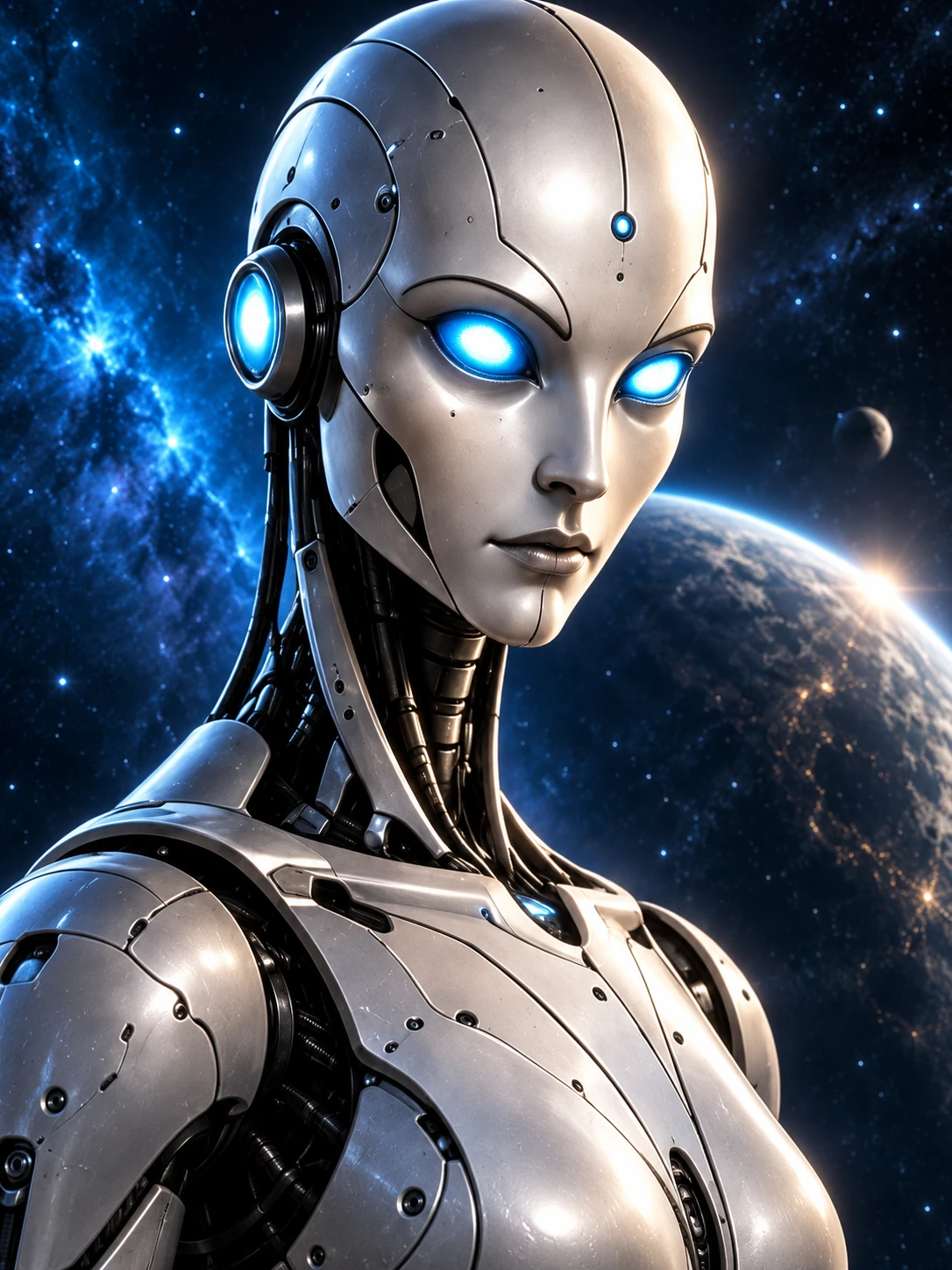
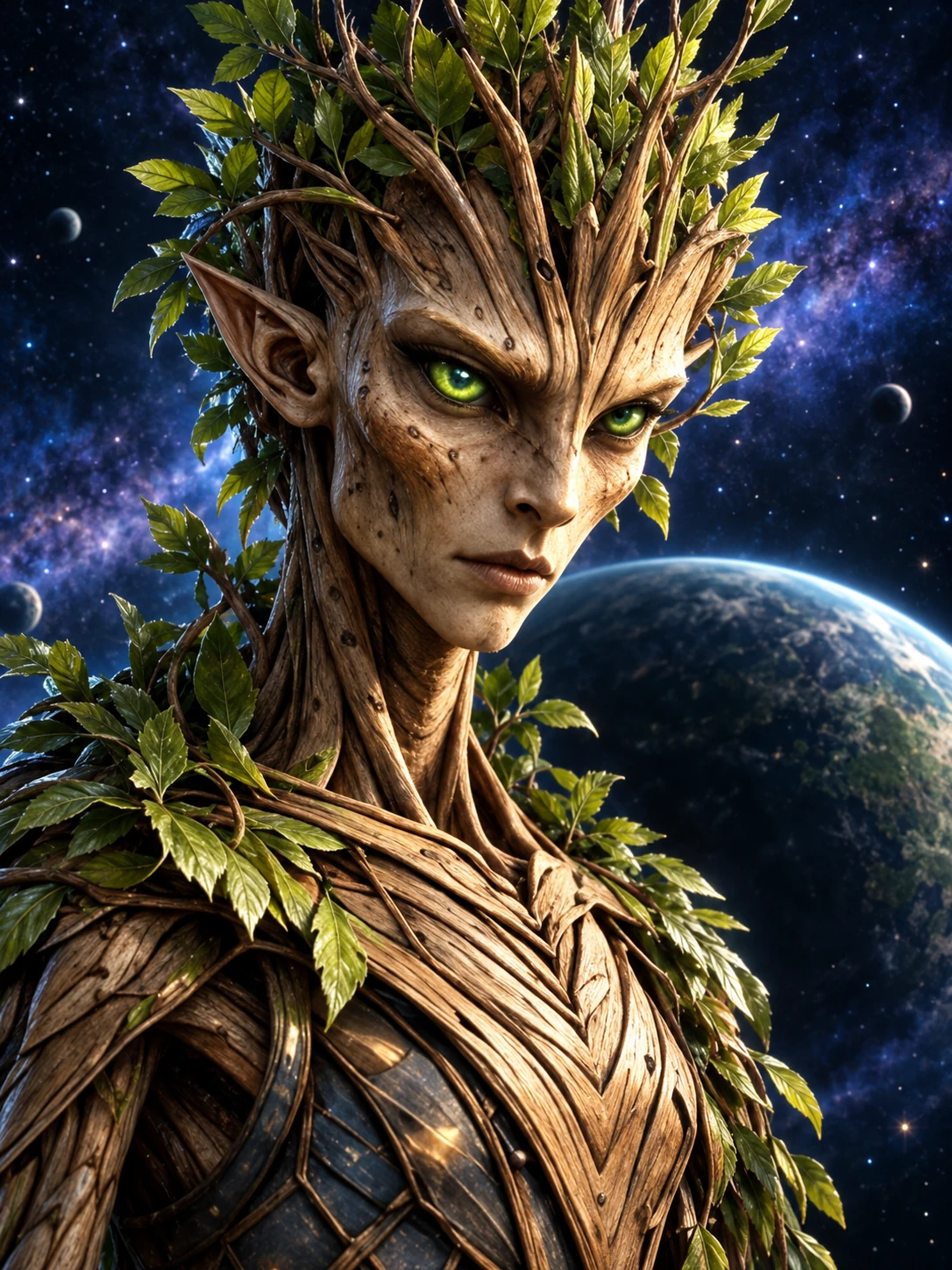
The family
Several astrobiologists argue that the first civilisation we contact is more likely to be post-biological than biological, because machine intelligence survives interstellar distances that organisms cannot. The Robotic type gives that argument a face. The Plantoid is its botanical counterpart, a slow, rooted intelligence drawn from Green Man folklore and plant-people fiction.
- Common traits
- Machine or plant bodies
- Long or indefinite lifespans
- Speculative rather than reported
- Where it comes from
- Post-biological hypothesis in SETI writing; folklore and fiction.
How to recognise it, and how the members differ
The Robotic type is metal or composite, expressionless, tireless and often the only survivor of the civilisation that built it; some researchers argue the Greys are exactly this. The Plantoid is vegetable life with intent, from pods to triffids. Both are fiction, labelled speculative, and included because they recur in accounts as explanations for what the Greys or the Pascagoula beings might have been.
Where it came from
Robots arrive with Karel Čapek in 1920 and reach the flying saucer in Gort of The Day the Earth Stood Still. The idea that the Greys are biological machines is argued in the abduction literature from the 1990s. Plant aliens come from Wyndham's The Day of the Triffids (1951) and Invasion of the Body Snatchers (1956).
The sceptical reading
Both types are honest fiction and are catalogued to show where the lore borrows from. The Pascagoula witnesses' description of 'robots' with wrinkled skin is the one point where the synthetic idea touches a real report.
Side by side
XenoAtlas documents extraterrestrial concepts appearing in mythology, contactee literature, popular culture, speculative accounts, and related sources. Inclusion does not constitute scientific verification.