

Human-like types
Nordics, Pleiadians and the tall, fair archetype
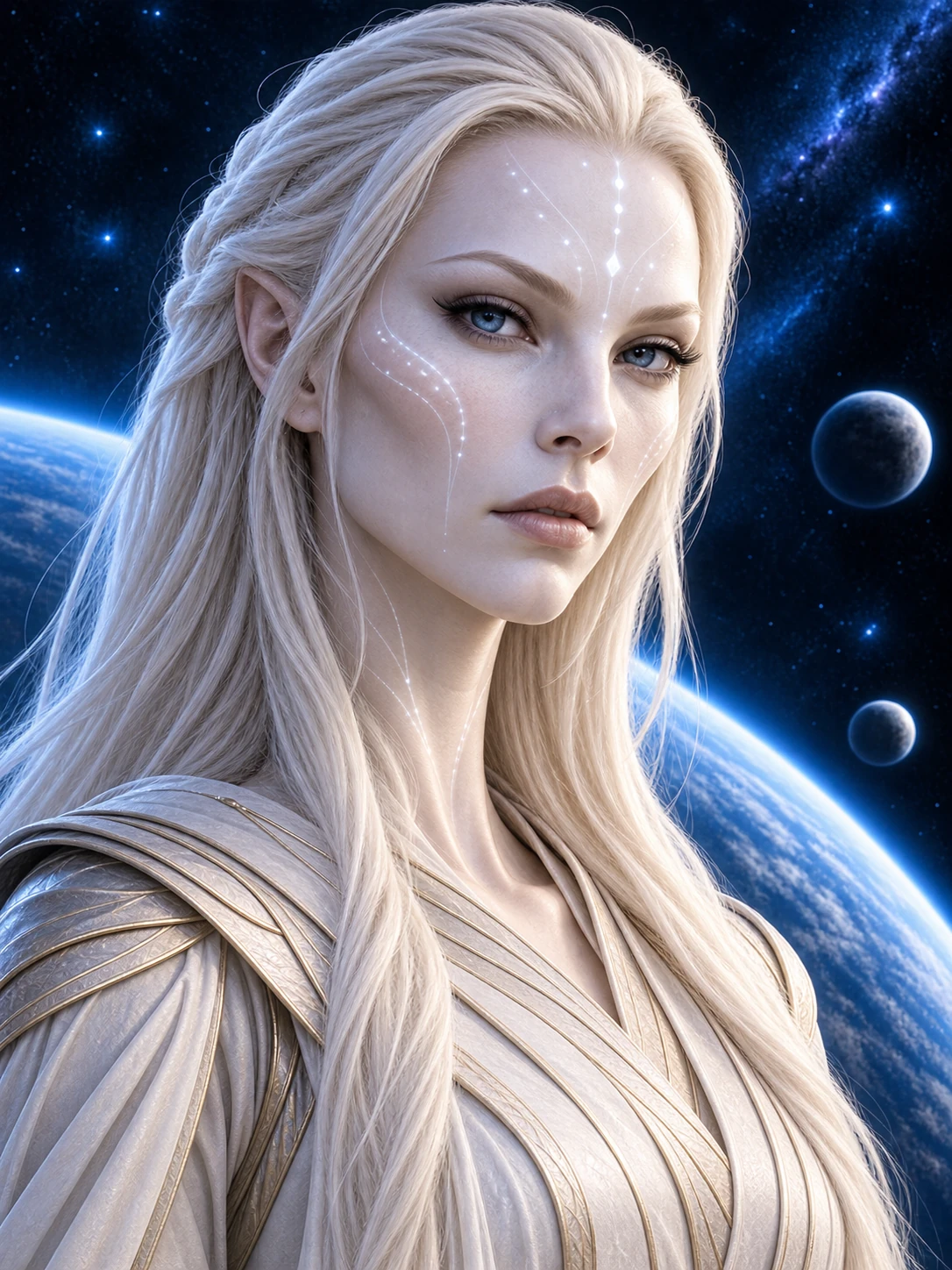 NordicContactee lore
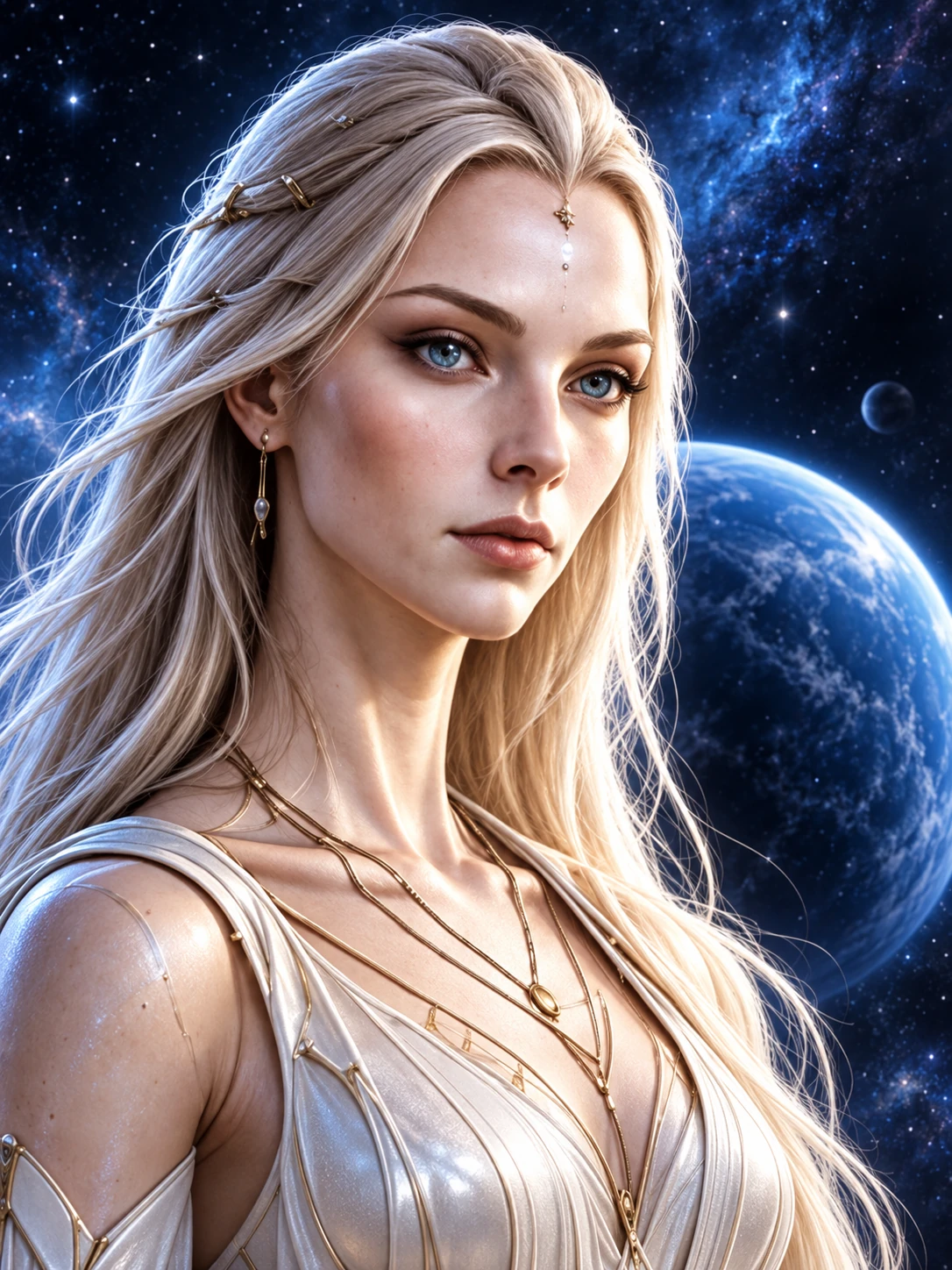 PleiadianContactee lore
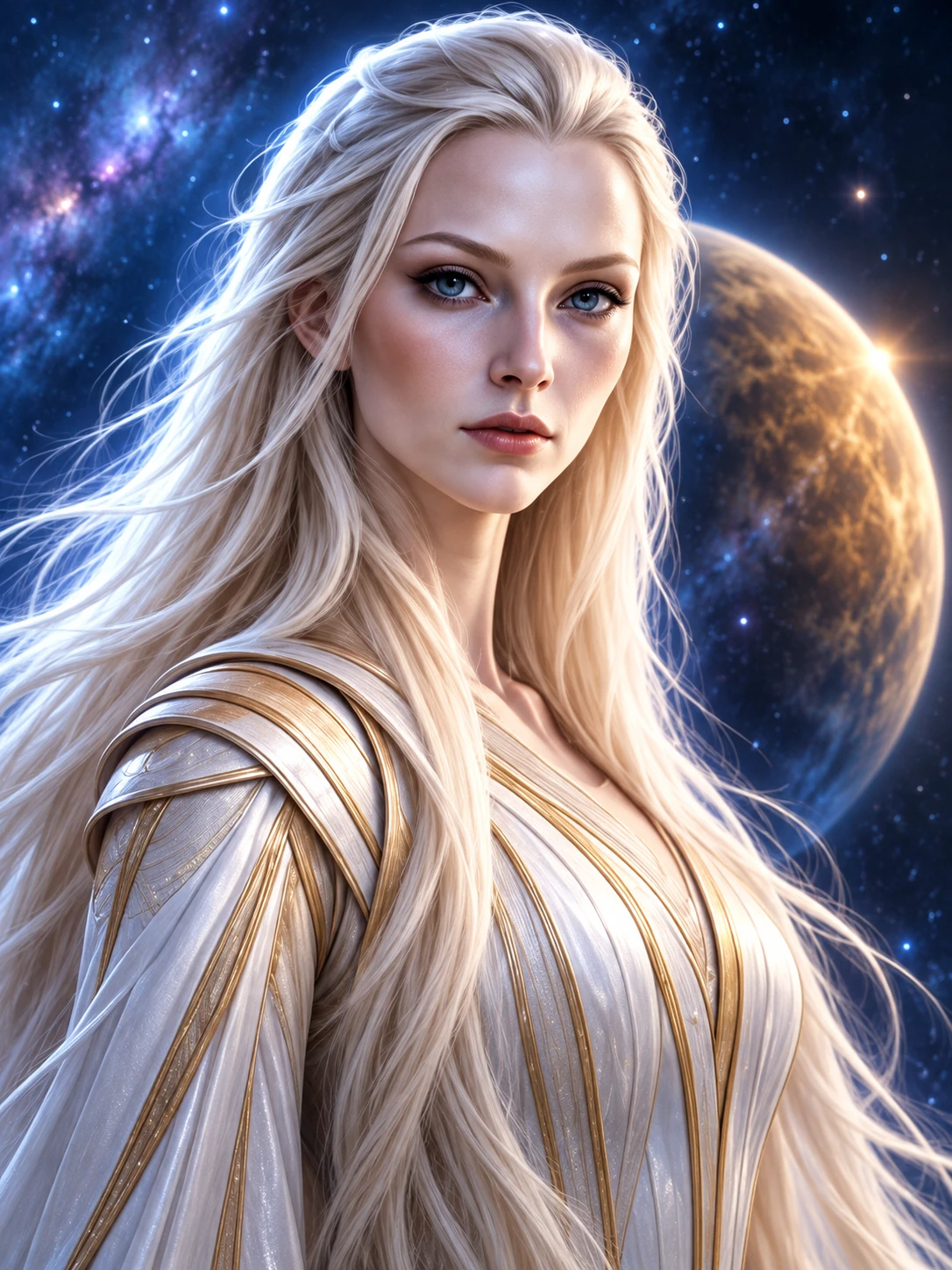 VenusianContactee lore
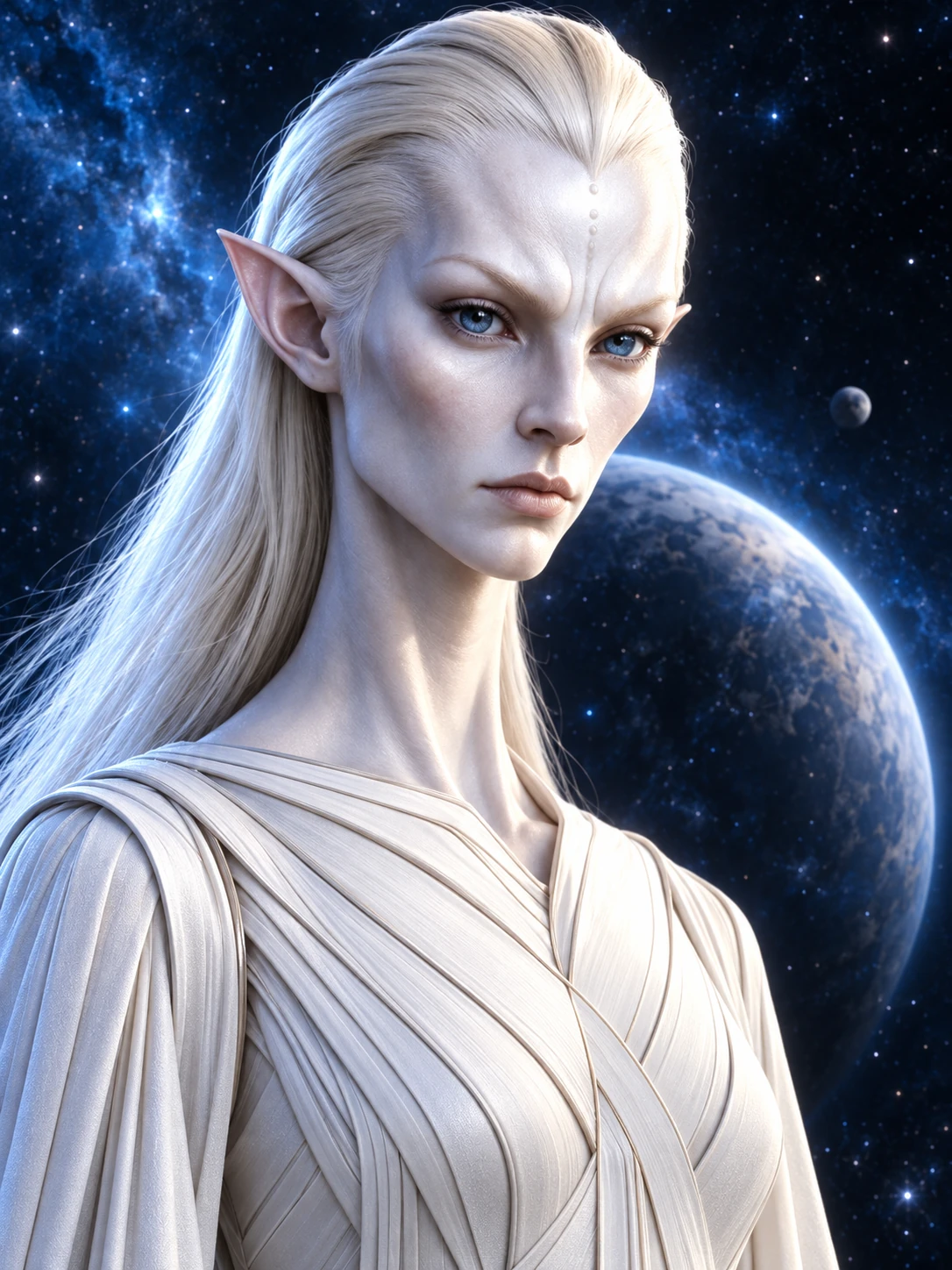 Tall WhiteContactee lore
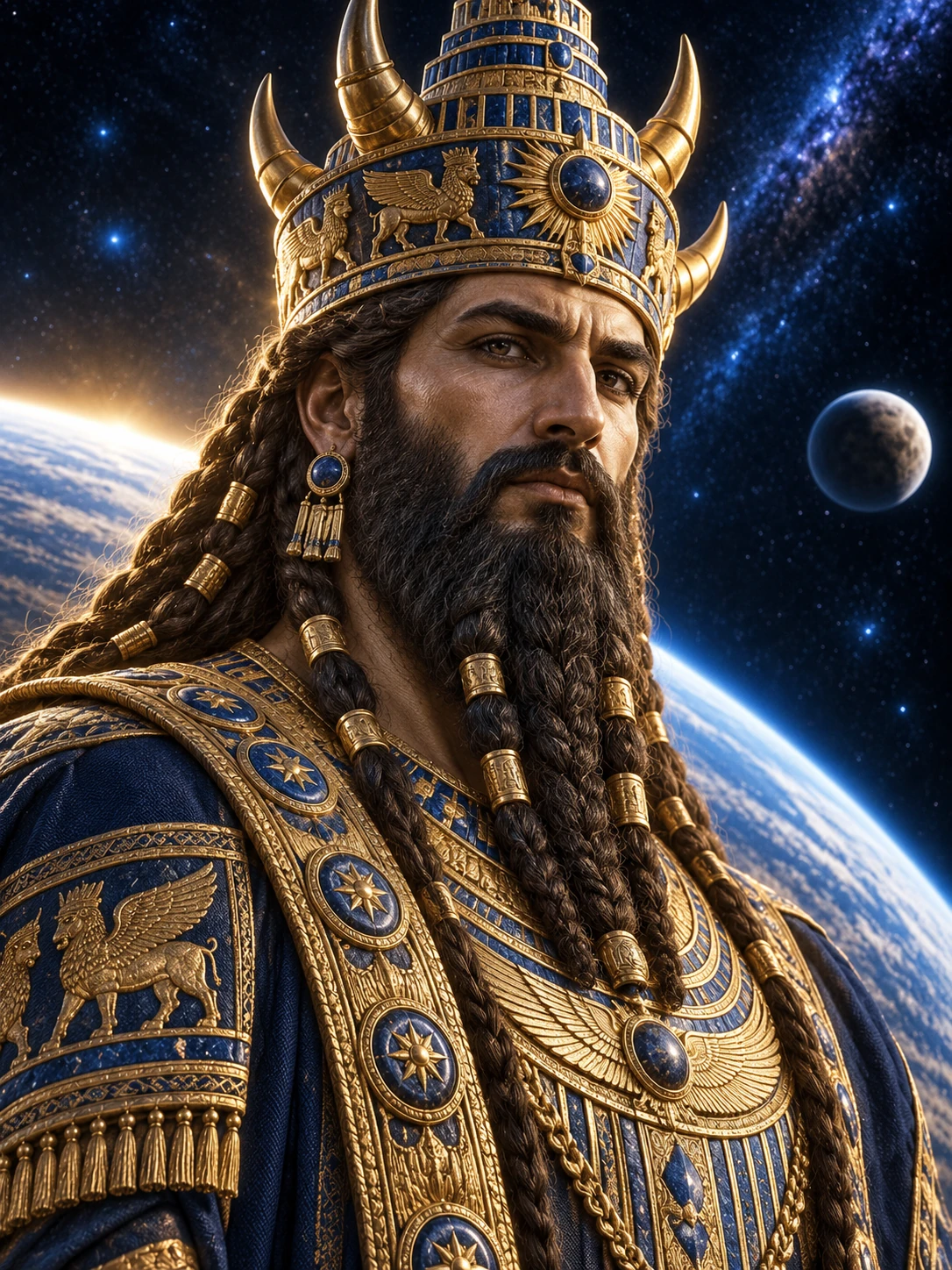 AnunnakiFolklore
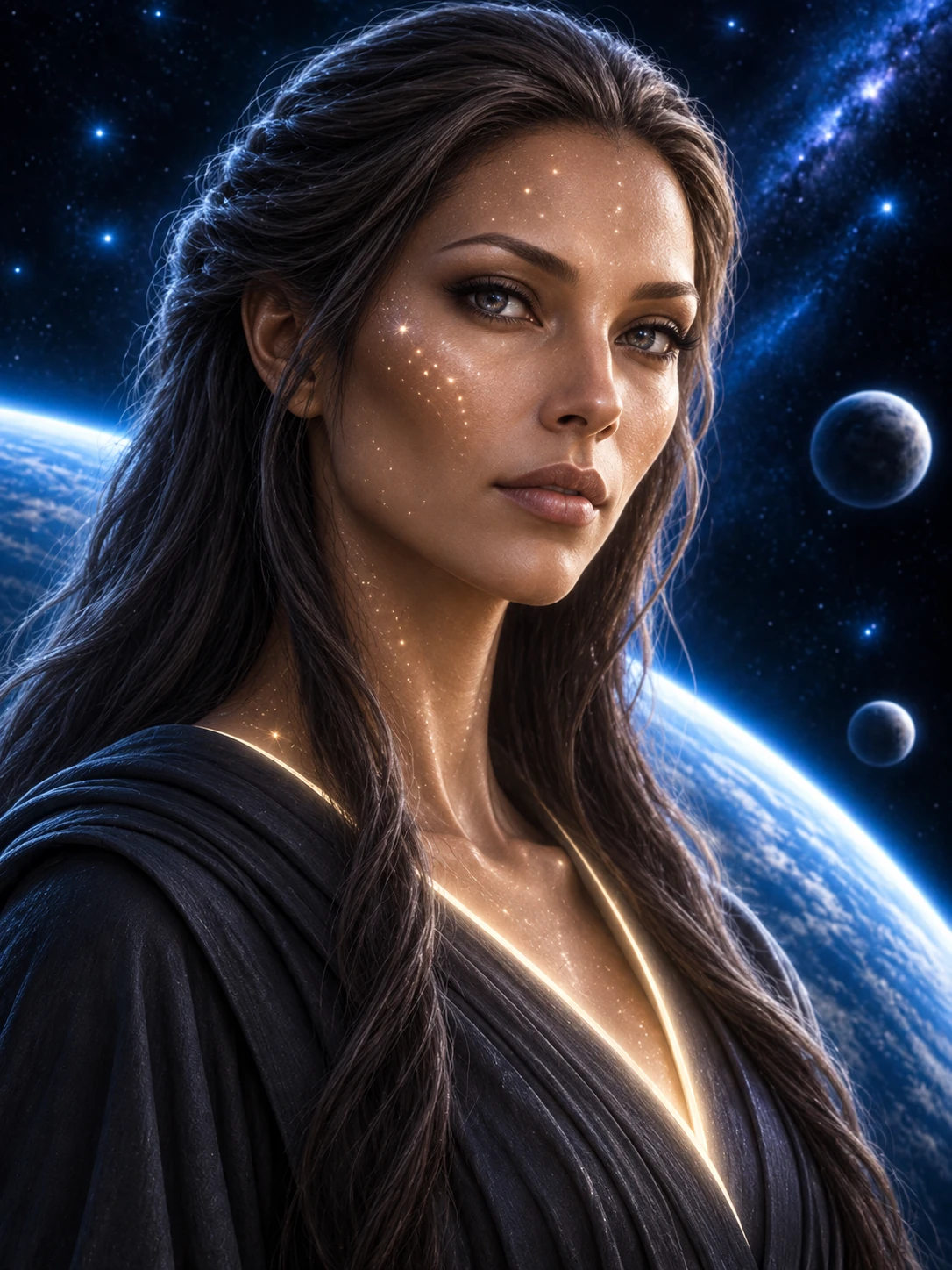 Star PeopleFolklore
 UmmiteContactee lore
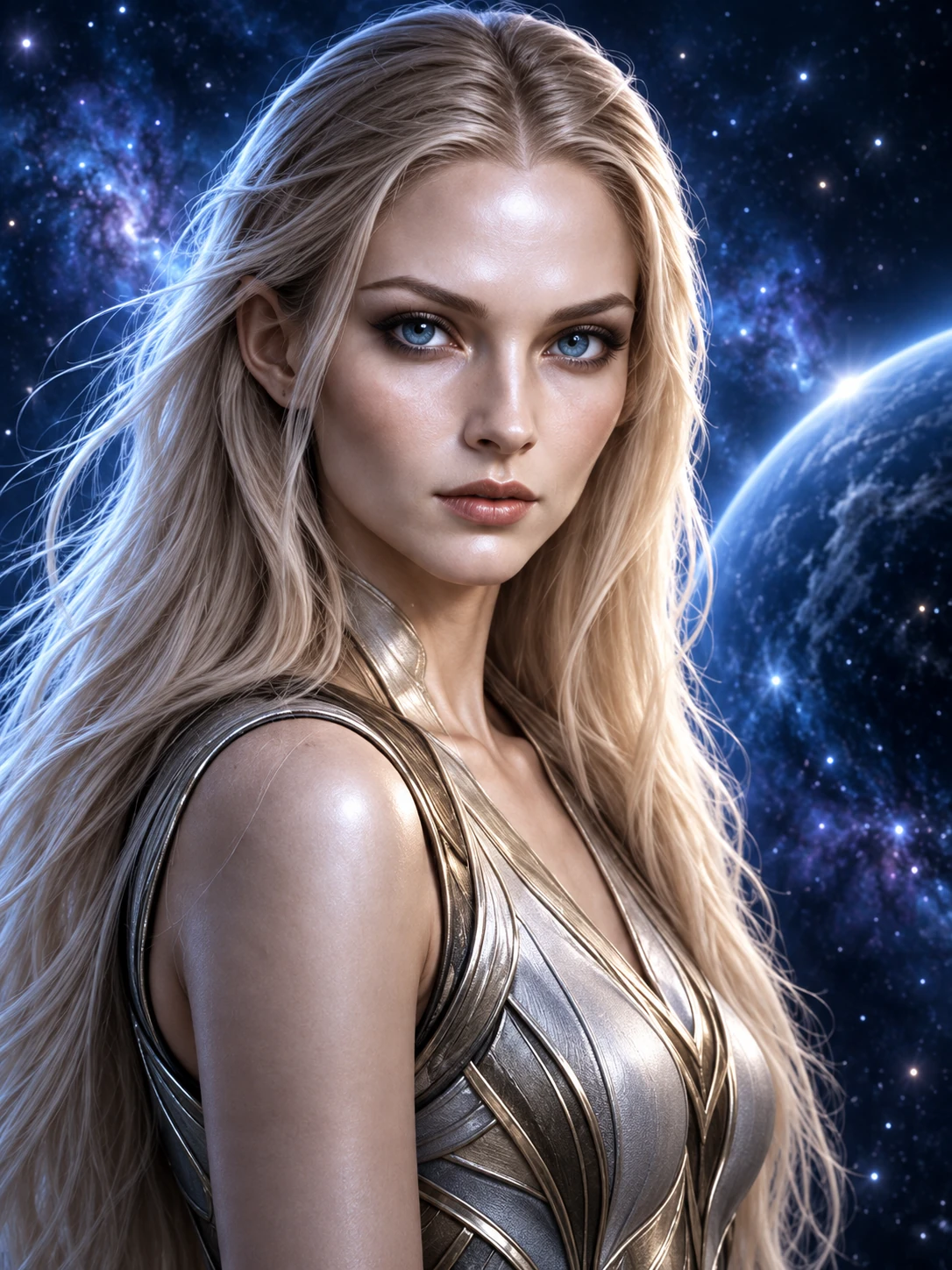 LyranContactee lore
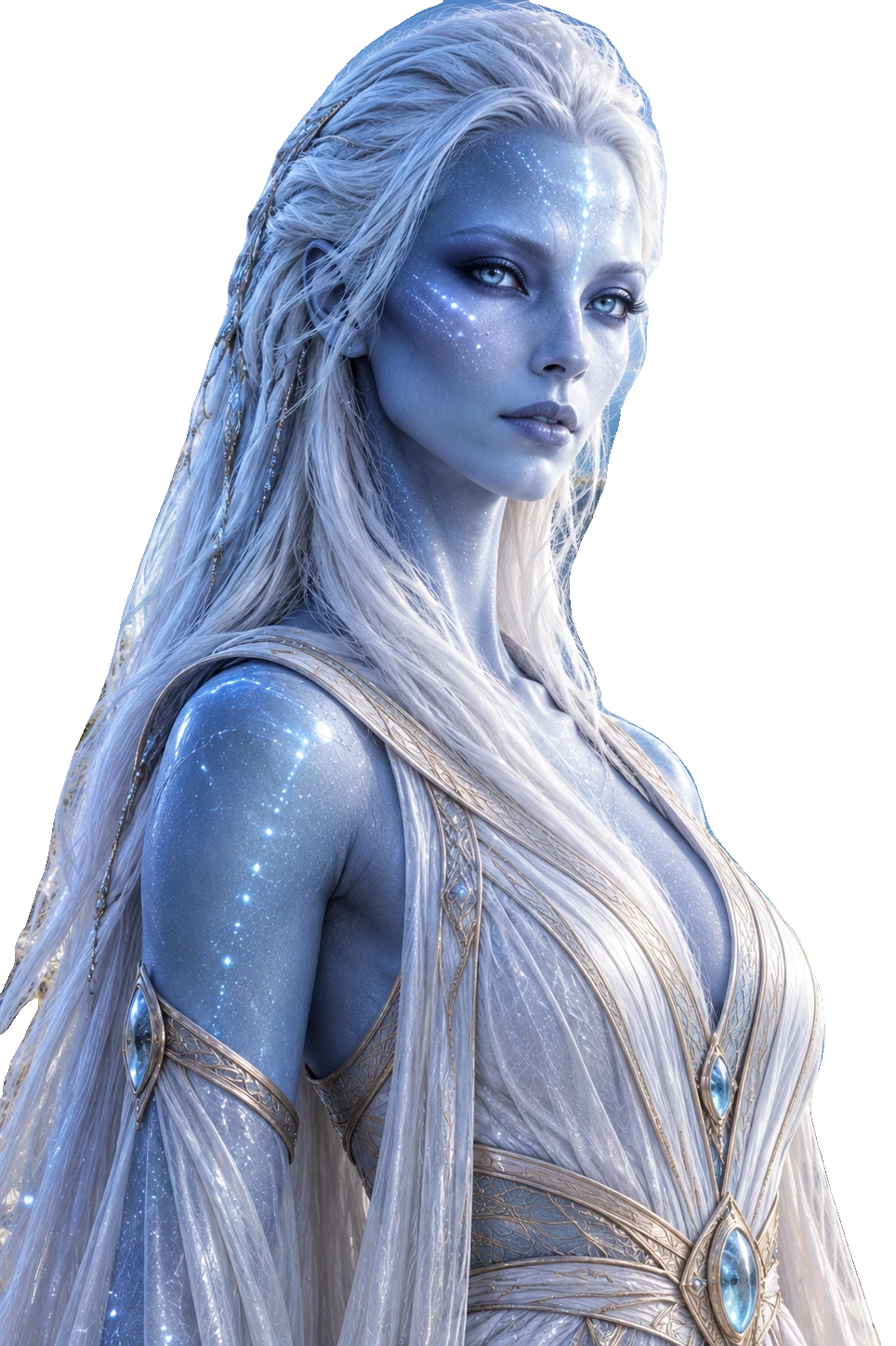 SirianFolklore
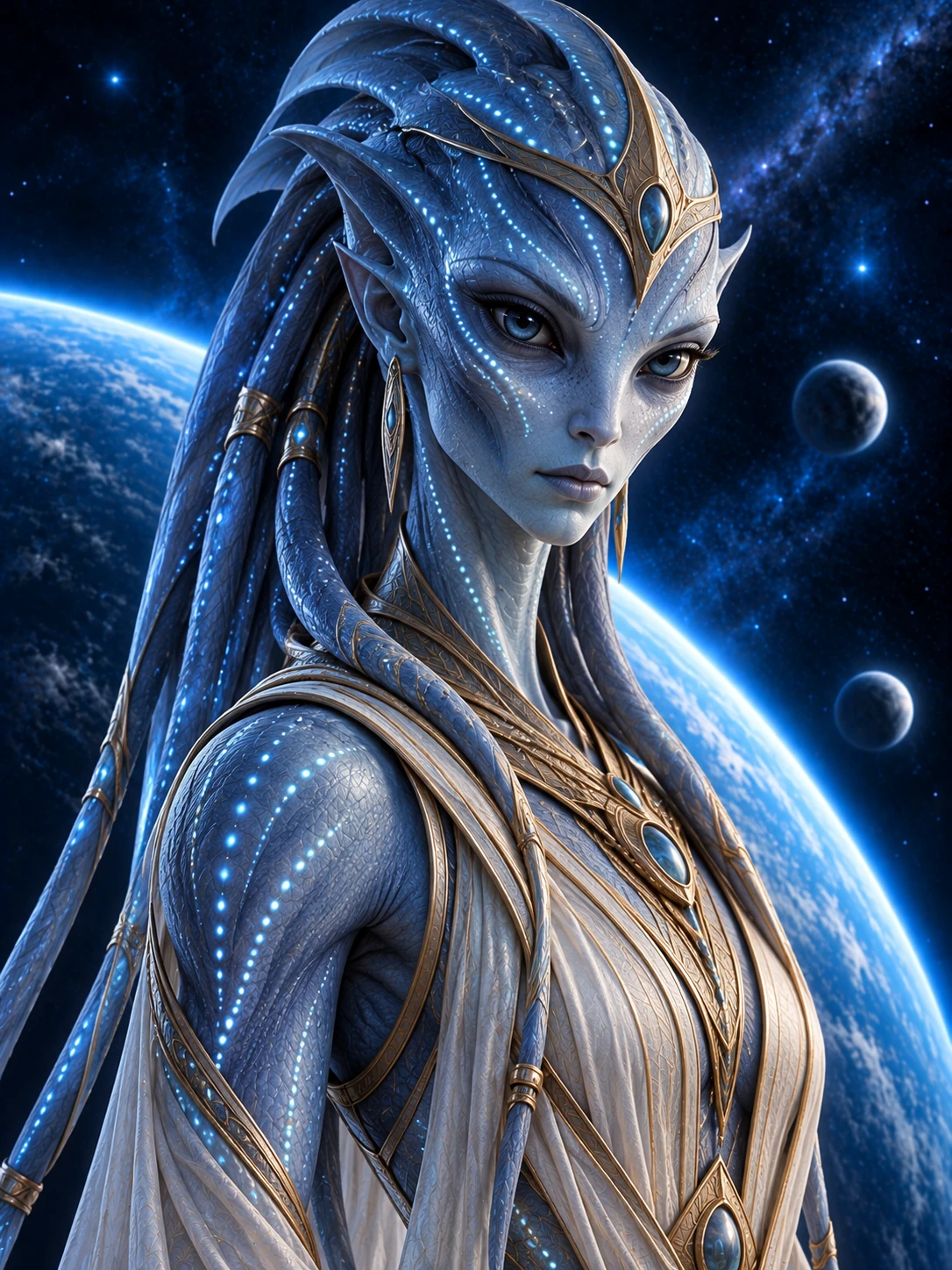 AndromedanContactee lore
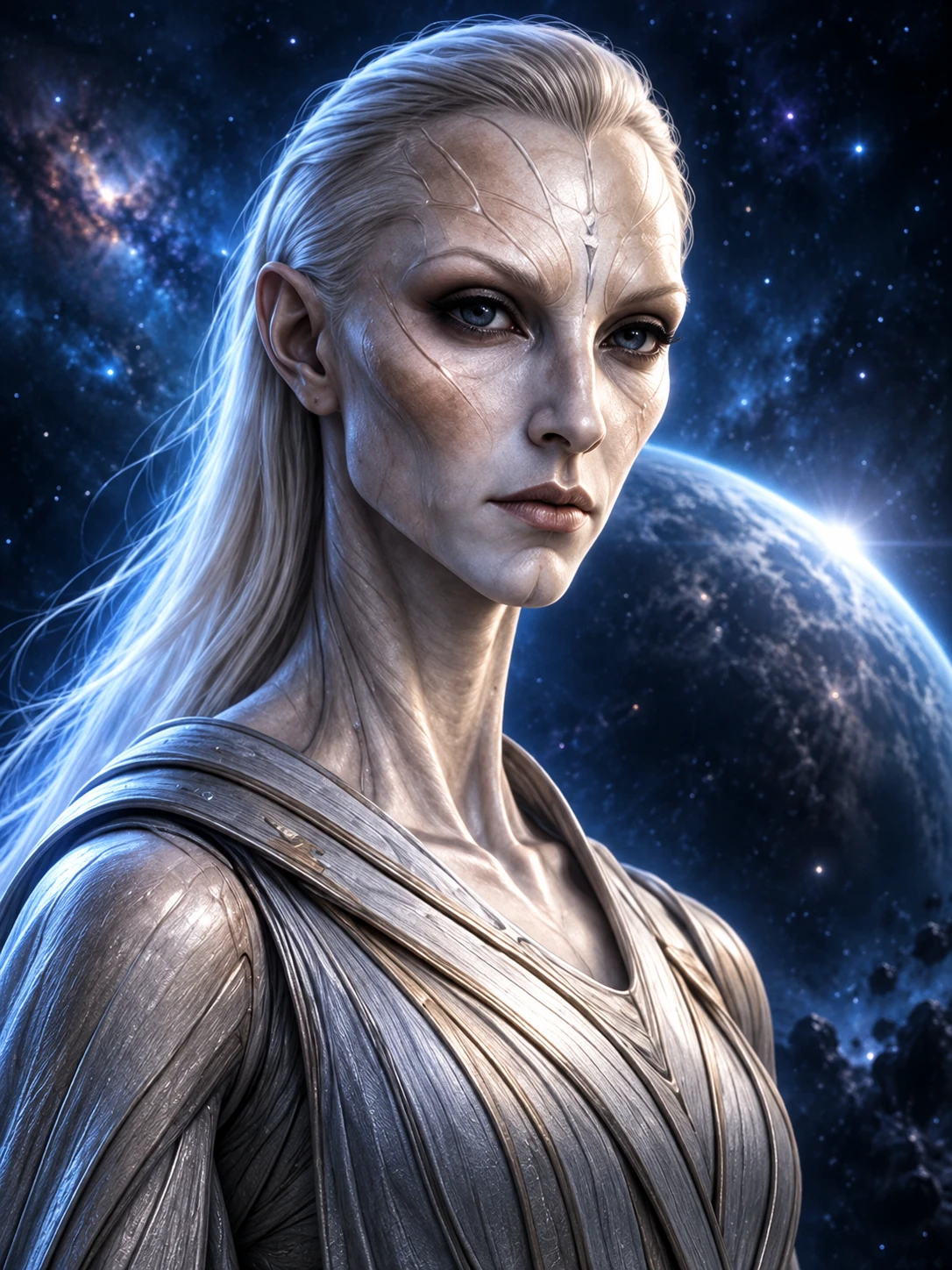 ProcyonContactee lore
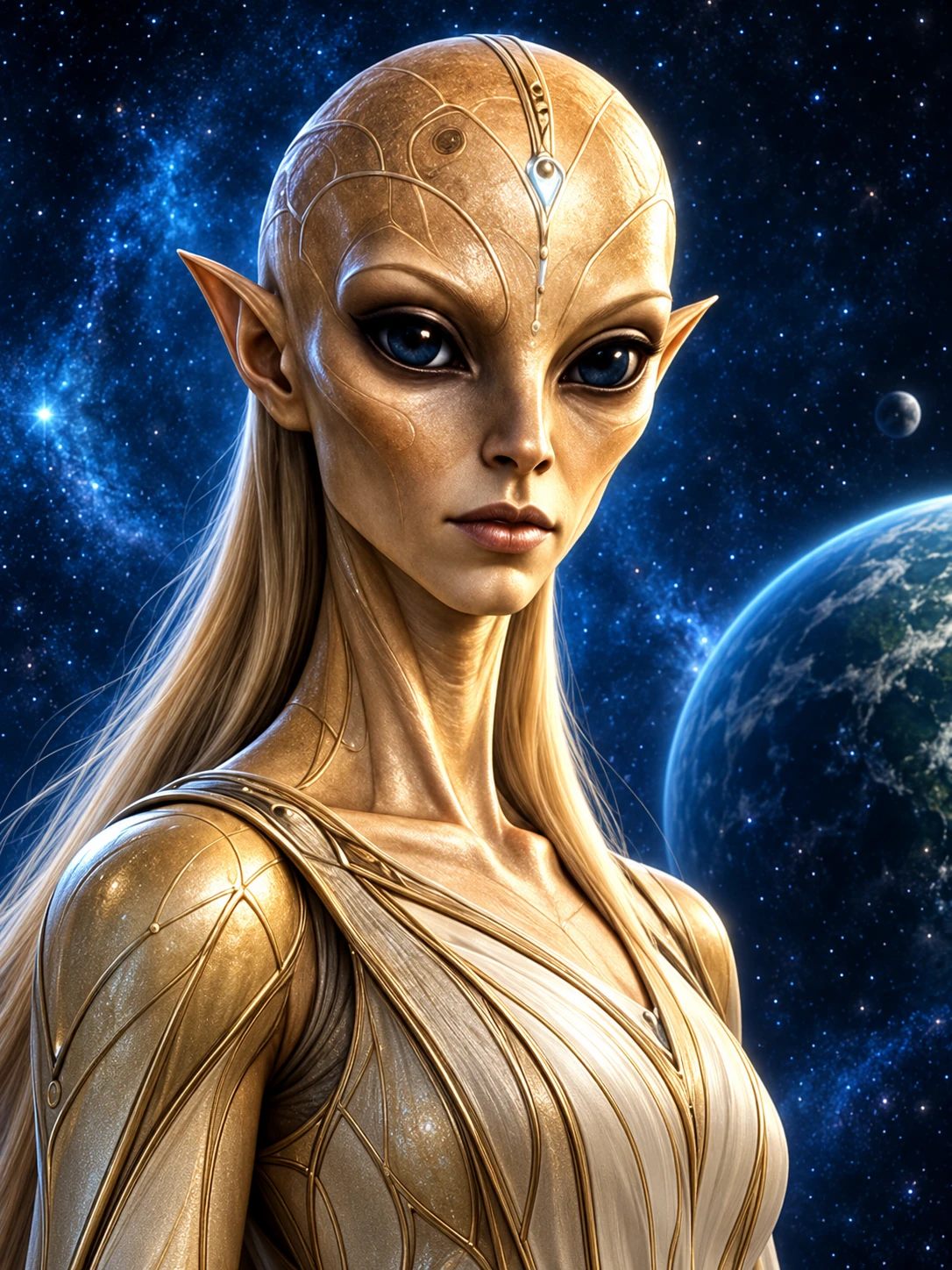 CapellaSpeculative
 AvalonianContactee lore
 CentauriSpeculative
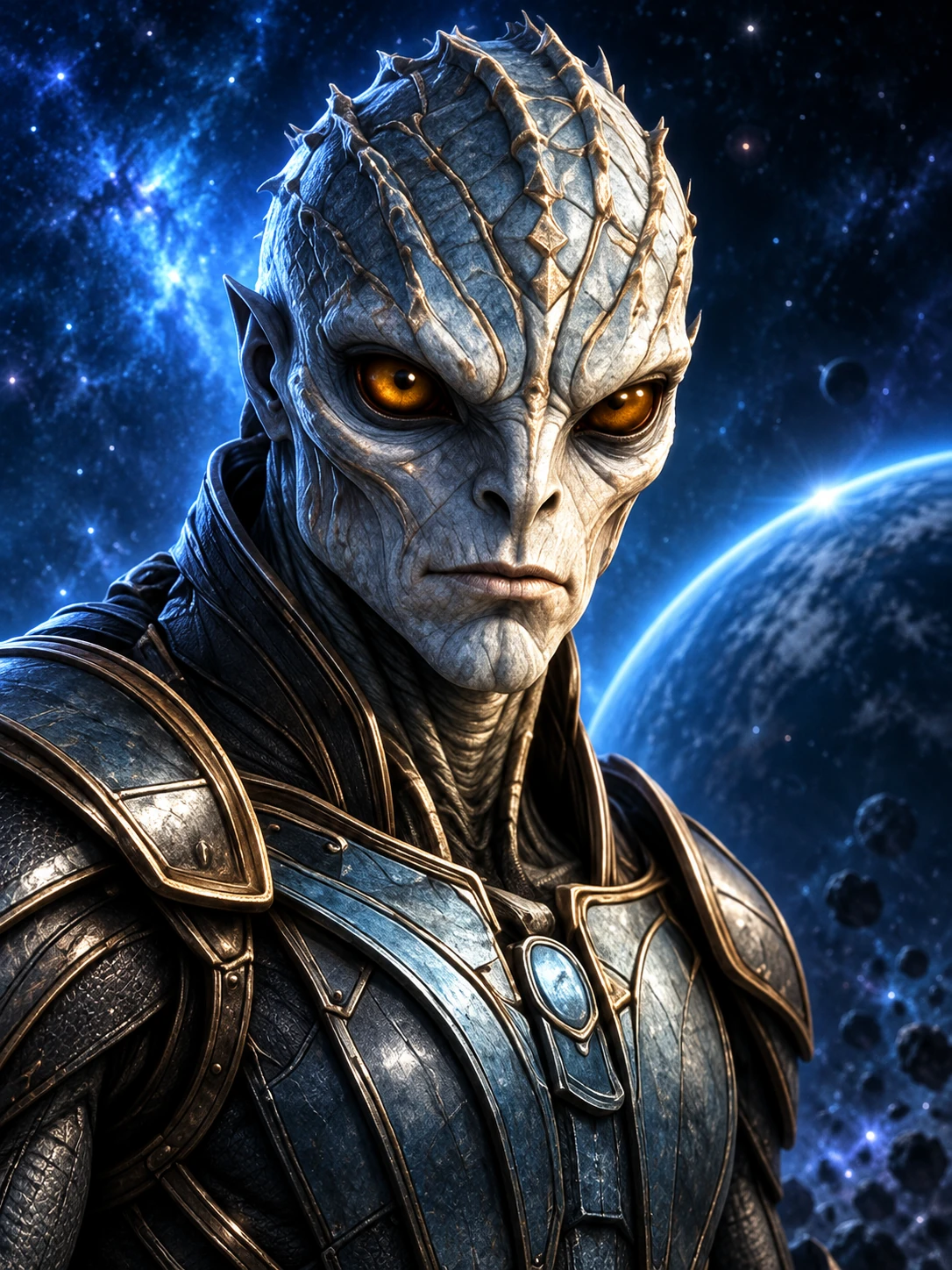 OrionContactee lore
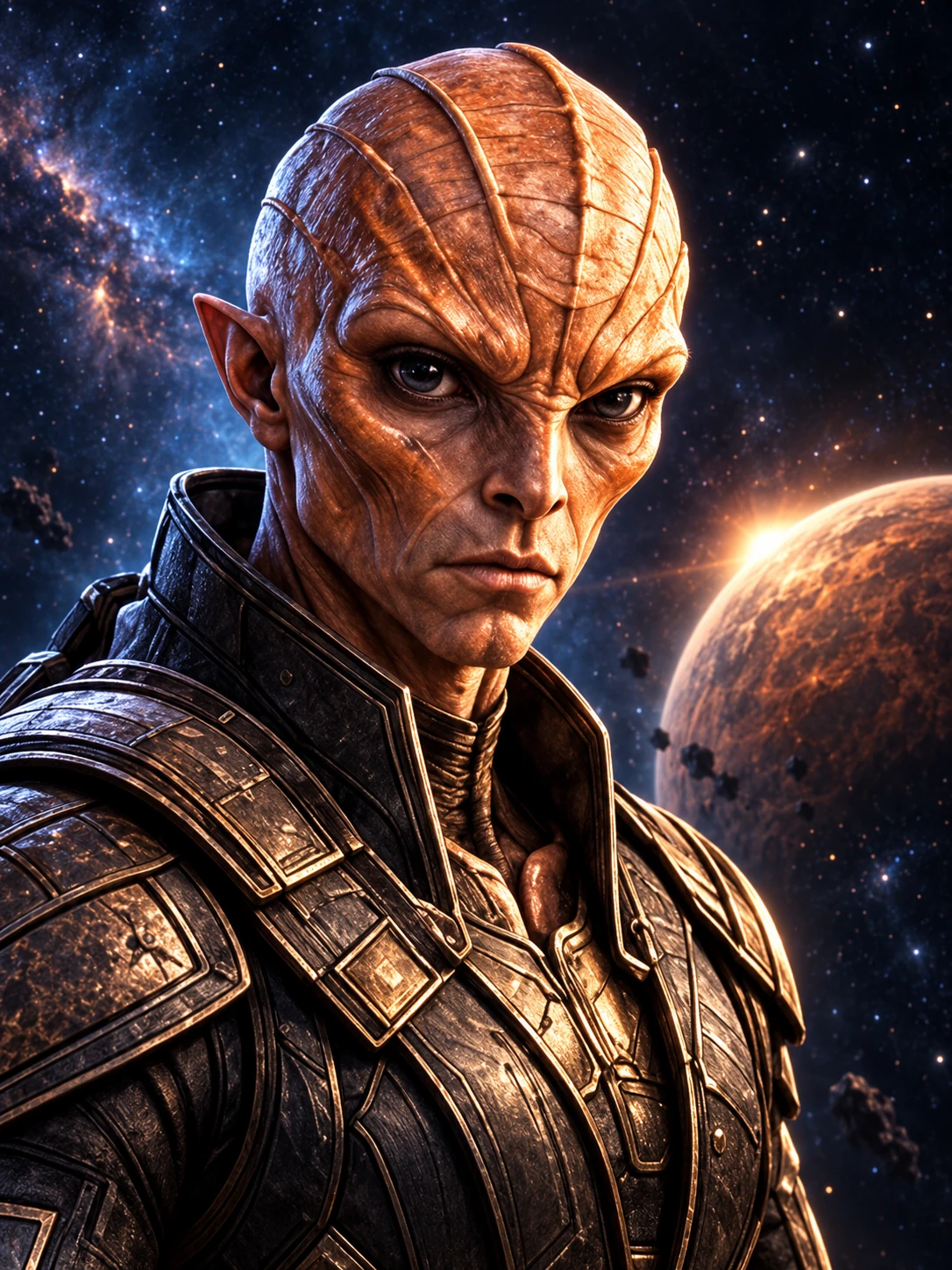 AldebaranContactee lore
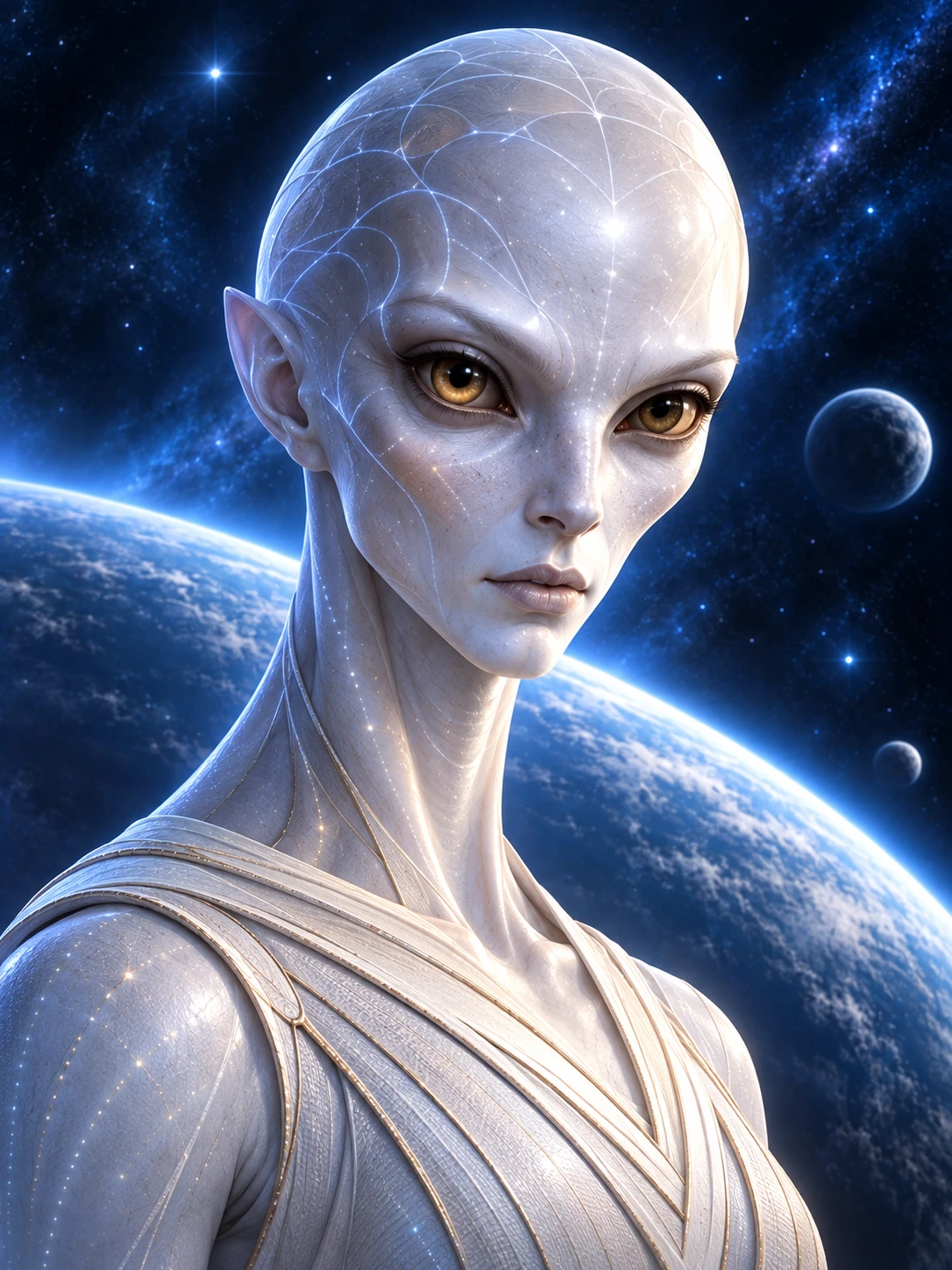 AthurianSpeculative
The family
The largest group in reported and channelled material is the human-like extraterrestrial: tall, well-proportioned, usually fair-haired and often described as luminous. The type begins with George Adamski's 1952 account of a Venusian visitor and was generalised by European ufology into the 'Nordic'. Later contactee and channelled literature added the Pleiadian, Lyran, Sirian, Andromedan and Tall White variants, each tied to a named star or constellation.
These accounts share a tone as much as a look. The beings are described as calm, watchful and benevolent, more concerned with humanity's development than with abduction or experiment. Sceptics point out that the archetype tracks mid-century ideals of beauty and authority closely, which is part of why it is catalogued here as lore rather than as observation.
- Common traits
- Tall, 5′11″ to 8′ in most accounts
- Fair or luminous skin, long hair
- Telepathic or spoken communication
- Framed as guides, watchers or ancestors
- Where it comes from
- Contactee literature from 1952 onward; channelled cosmologies of the 1980s and 1990s.
How to recognise it, and how the members differ
The family is defined by what it lacks: nothing about the body would stop a member walking down a street. Height is the usual giveaway, six to eight feet in most accounts, along with pale or luminous skin, long fair hair and a stillness of manner that witnesses describe as either serene or unnerving.
Members are told apart by their story rather than their shape. Nordics and Venusians are the contactee visitors of the 1950s; Pleiadians, Lyrans, Andromedans and the rest are the channelled 'star families' of the 1980s and after; Tall Whites come from one military memoir; Anunnaki from a rereading of Sumerian myth; Star People from Indigenous oral tradition, which predates all of them and should not be folded into them.
Where it came from
The human-like visitor arrives in 1952 with George Adamski's Venusian and is generalised by European researchers in the 1960s as the 'Nordic' type. When spacecraft showed Venus to be uninhabitable, the same figure was reassigned to the Pleiades, Lyra and other stars whose names people knew.
From the 1980s the type multiplied through channelling, each new author adding a home system and a role in a 'galactic history' of seedings, wars and councils. By the 2000s the human-like families had become the largest group in the lore, and the only one in which the visitors are consistently described as beautiful.
The sceptical reading
The human-like alien is the one that looks most like its authors. Its features track mid-century ideals of beauty and its message tracks the anxieties of each decade, from nuclear war to environmental collapse. No case in the archive offers physical evidence for any member of the family; the Tall White and Nordic accounts rest on single witnesses or on channelling, and the racial coding of the archetype has drawn sustained criticism.
Case files involving this family
Side by side
XenoAtlas documents extraterrestrial concepts appearing in mythology, contactee literature, popular culture, speculative accounts, and related sources. Inclusion does not constitute scientific verification.