

Venusian vs Nordic
Essentially yes. The Venusian is the original 1950s form of the Nordic; the name changed when Venus was shown to be uninhabitable.
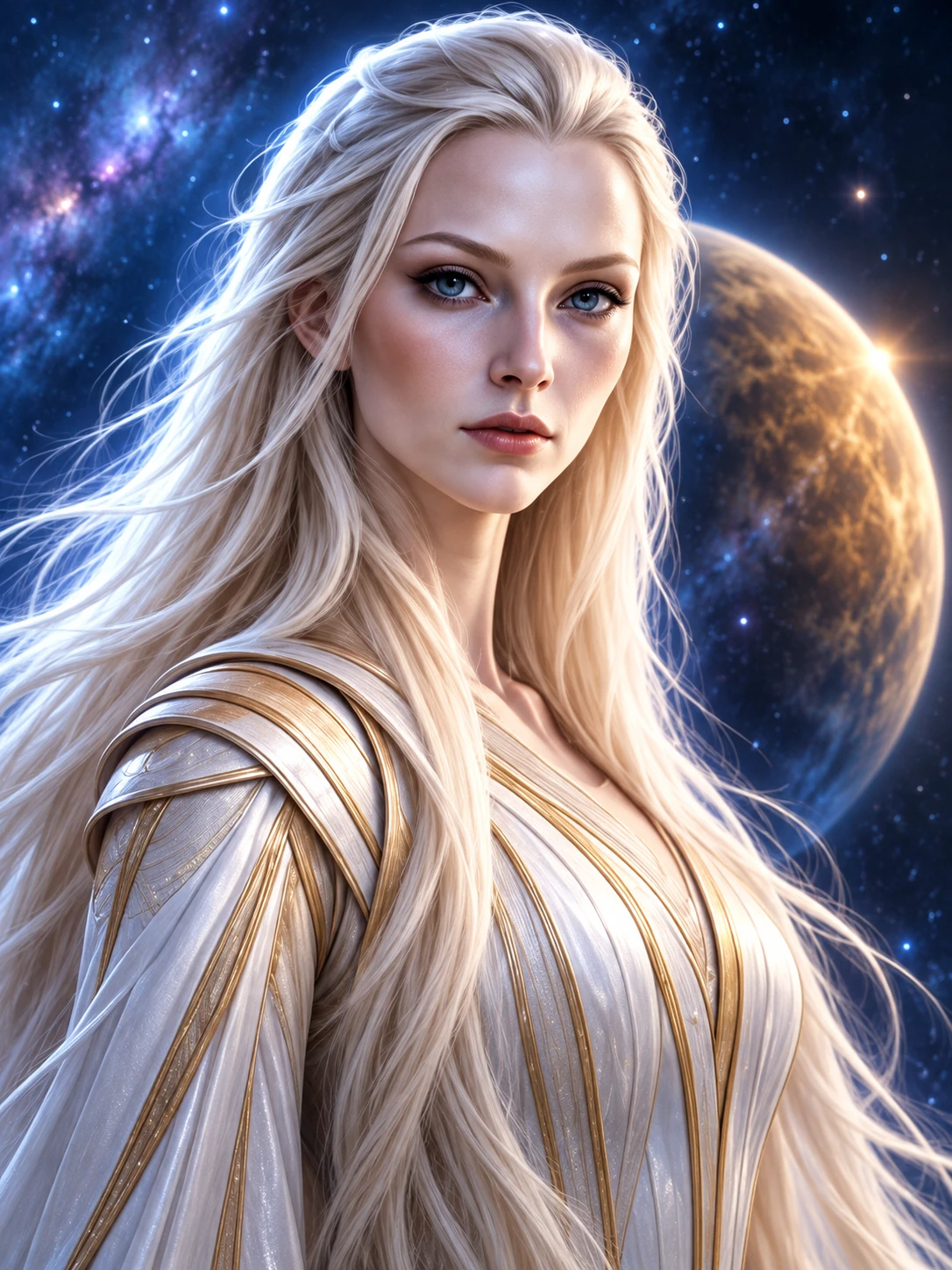 Race 15VenusianThe HarmonizersContactee loreAstronomical
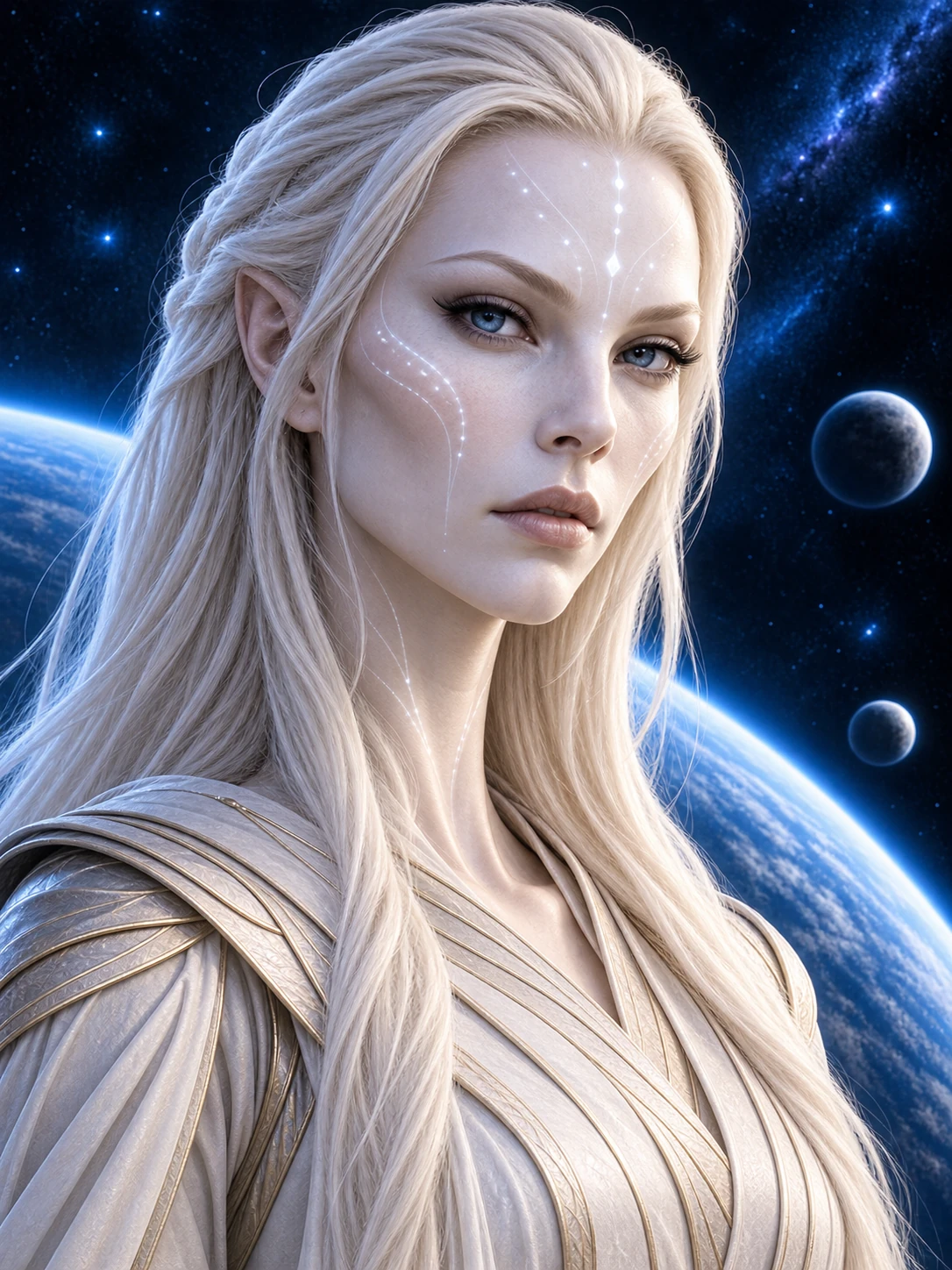 Race 01NordicThe WatchersContactee loreSpeculative
The difference
The Venusian is where the Nordic began. Adamski's 1952 visitor was from Venus, and so were most contactee beings of the 1950s. When spacecraft showed Venus to be uninhabitable, the same fair, tall visitor was reassigned to the Pleiades and other stars, and 'Nordic' became the general term.
The two are one archetype at different dates.
At a glance
| Field | Venusian | Nordic |
|---|---|---|
| Classification | Contactee lore | Contactee lore |
| Evidence | Contactee lore, Astronomical | Contactee lore, Speculative |
| Claimed origin | Sol | Lyra |
| Homeworld | Venus | Lyra |
| Reported height | 5′7″ – 6′11″ | 5′11″ – 7′10″ |
| Appearance | Human-like, radiant, fair-haired | Fair skin, light hair, blue or light eyes |
| Lifespan | 400 – 700 years (lore) | 800 – 1,200 years (reported) |
| Social structure | Described as harmonious councils | Collective / non-hierarchical |
| Technology | Described as scout-ship travel | Reported as highly advanced |
| Traits | Peaceful, empathetic, gentle | Reported as calm, observant, human-like |
| Relationship to Earth | Central to 1950s contactee accounts as supportive visitors | Described in contactee traditions as observers or guides |
How to tell them apart
- Nordic is reported as the taller of the two (5′11″ – 7′10″, against 5′7″ – 6′11″ for Venusian).
- Both belong to the Human-like types family in the Atlas.
- Reported height: Venusian 5′7″ – 6′11″; Nordic 5′11″ – 7′10″.
- Claimed origin: Venusian Sol; Nordic Lyra.
- Case files in the Atlas: Venusian 1; Nordic 2.
In their own dossiers
The Venusian is the original contactee being and the Nordic before the word existed. George Adamski described Orthon as a man of about five feet six, with shoulder-length sandy hair, a high forehead, grey-green eyes and skin 'like a ripe peach', dressed in a one-piece brown suit with a wide belt and no visible fastenings. He looked, Adamski said, like anyone, only more so. Later Venusians in the 1950s literature were taller, fairer and more explicitly beautiful.
Accounts of the Nordic type are remarkably consistent for a body of literature that spans seventy years and several languages. Witnesses describe a being between roughly six and eight feet tall, athletic rather than heavy, with proportions that read as human but slightly idealised: a longer neck, a straighter spine, hands with fine, long fingers. Skin is pale to the point of luminosity, hair is platinum, white-gold or silver and usually worn long on both sexes, and eyes are most often described as pale blue, grey or violet, larger than a human's but not dramatically so.
More comparisons
XenoAtlas documents extraterrestrial concepts appearing in mythology, contactee literature, popular culture, speculative accounts, and related sources. Inclusion does not constitute scientific verification.