

Reptilian types
Scaled humanoids from serpent myth to modern conspiracy
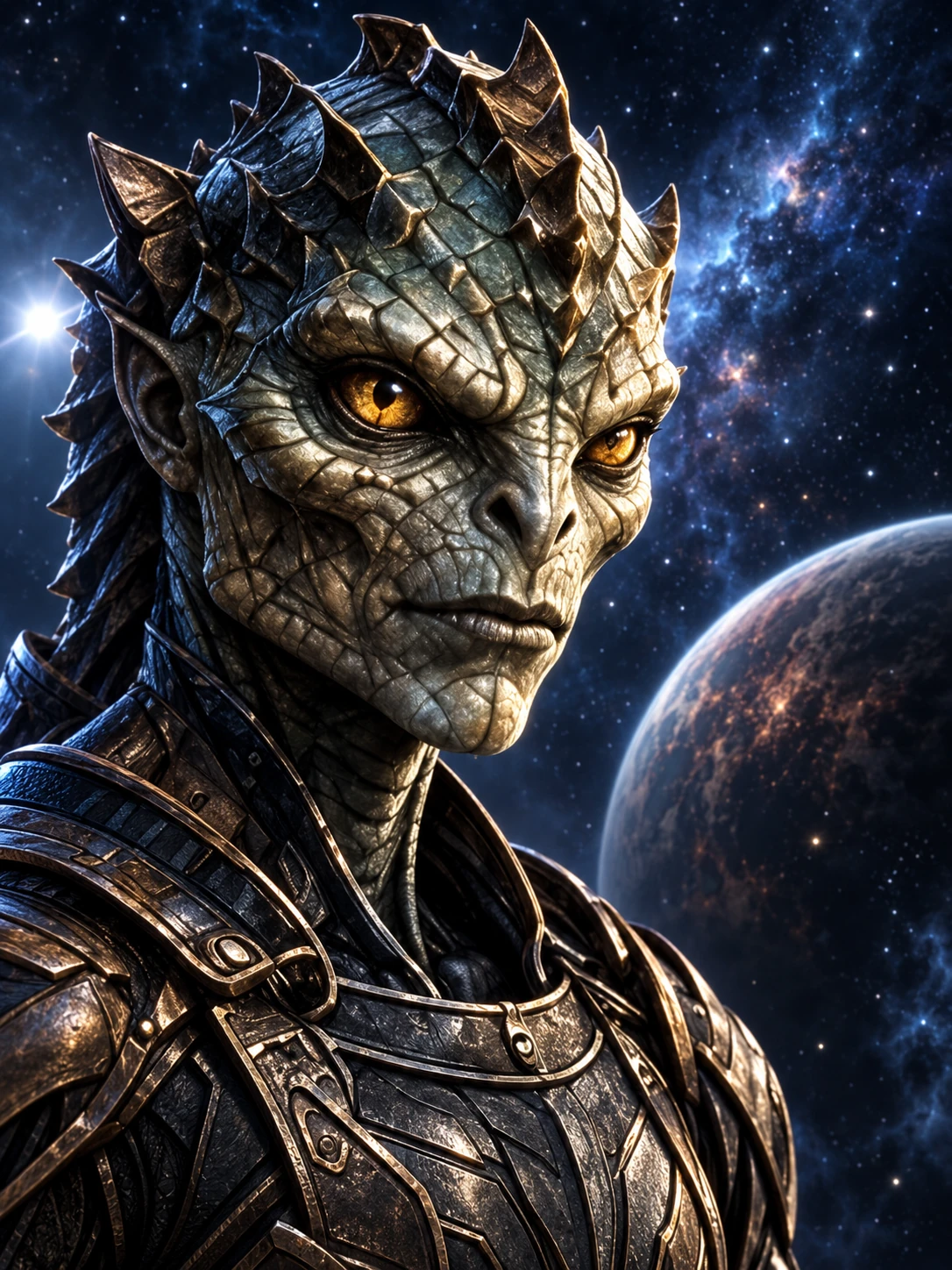
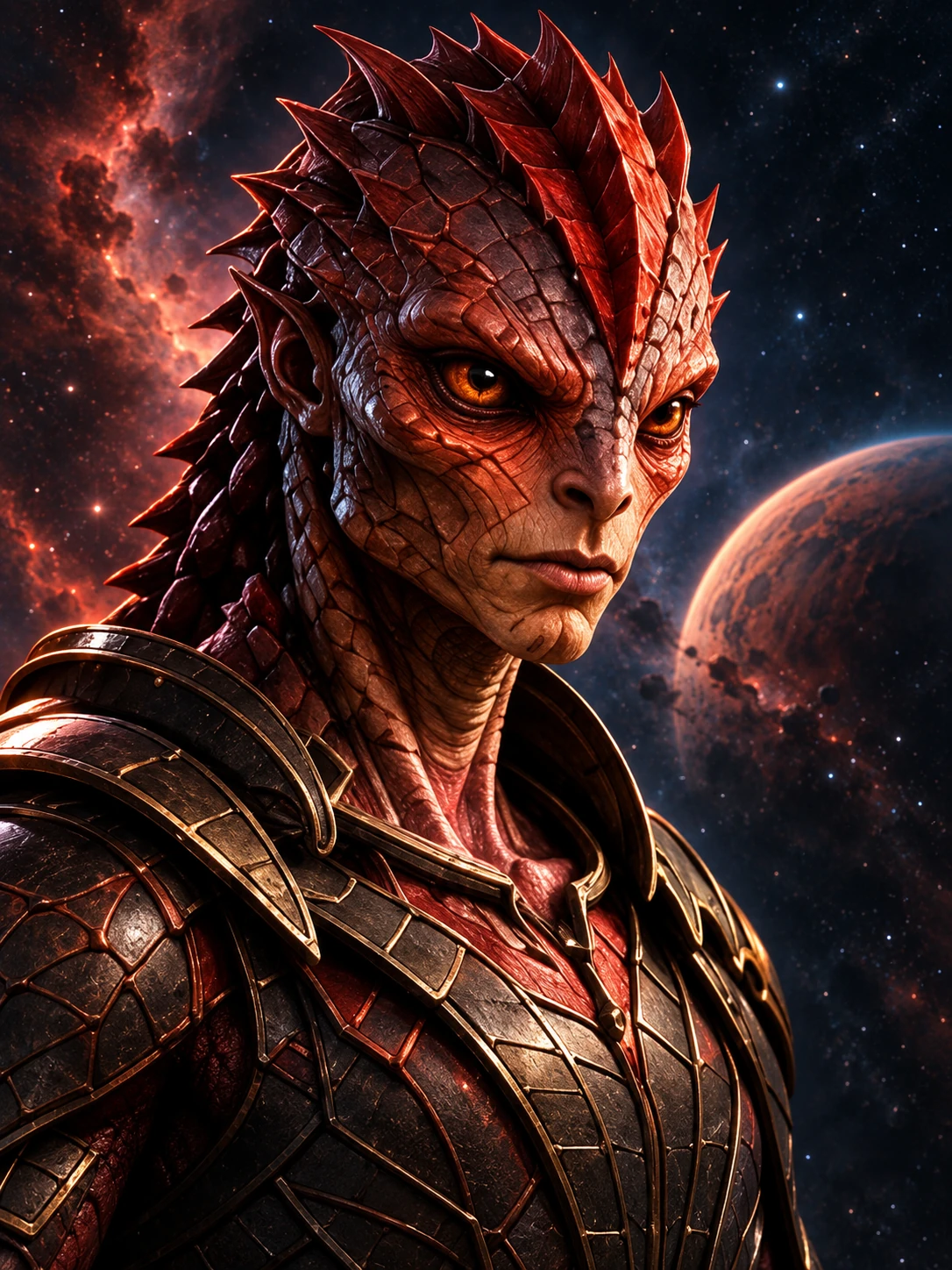
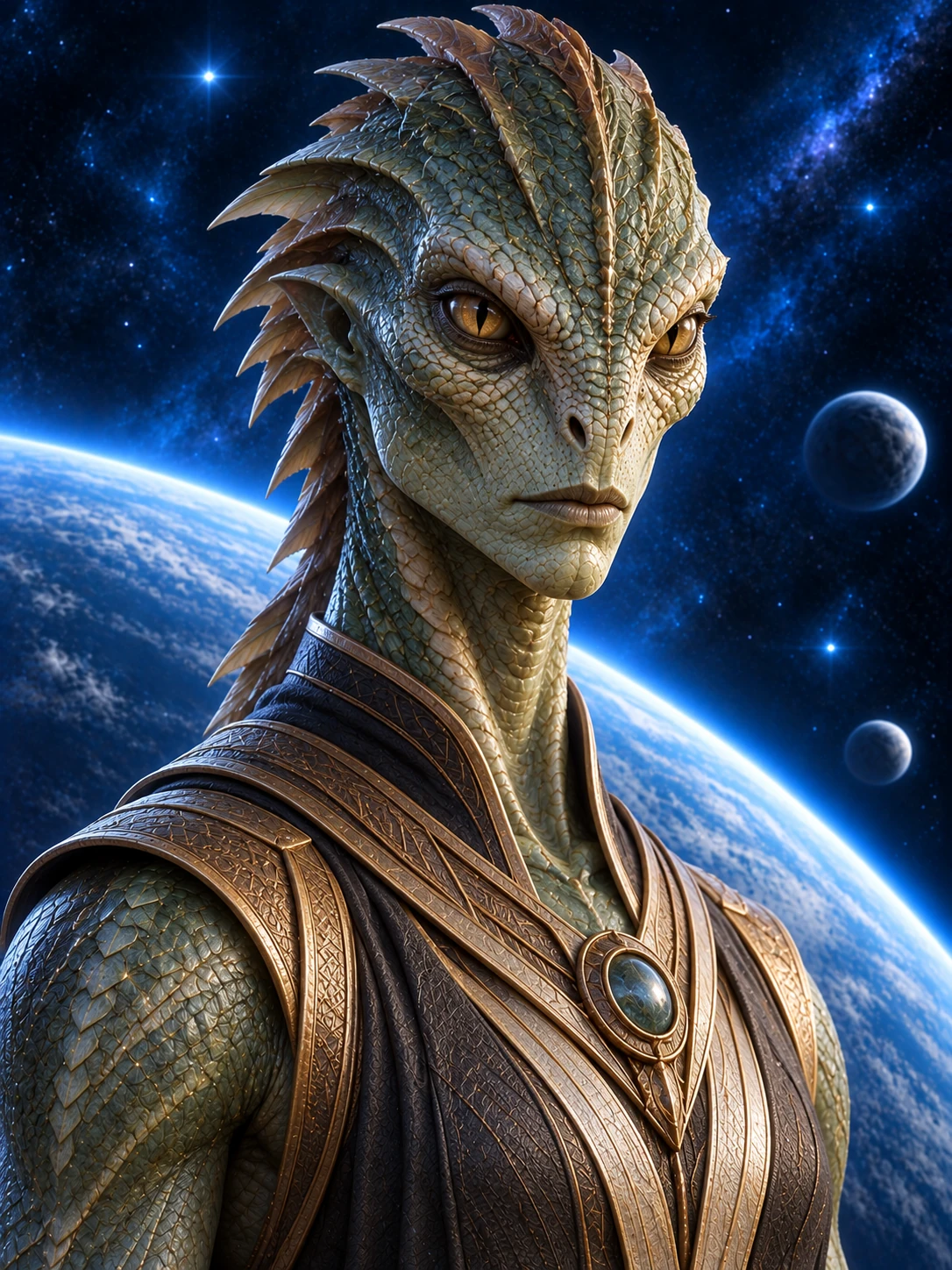
The family
Serpent-people are among the oldest figures in human mythology, appearing in Mesopotamian, Meso-American and Indian tradition. Robert E. Howard's 1929 story 'The Shadow Kingdom' carried the idea into pulp fiction, and in the 1990s it re-emerged as the reptilian conspiracy theory, which claims a hidden scaled elite. That last form is unsupported and has been widely criticised for its overlap with antisemitic narratives.
XenoAtlas records three variants: the Reptilian archetype itself, the imperial Draconian of fiction and role-playing games, and the hardier Lizardian survivor type. All three are folklore or fiction.
- Common traits
- Tall, muscular, scaled skin
- Vertical pupils, sometimes horns or a tail
- Portrayed as hierarchical and strategic
- Almost entirely absent from sighting reports
- Where it comes from
- World serpent mythology; pulp fiction from 1929; conspiracy writing from the 1990s.
How to recognise it, and how the members differ
Scales or leathery skin, a ridged skull, slit pupils in yellow or amber eyes, a tall and muscular frame, and in the Draconian case, wings and a ruling caste. Reports describe cold manner, strength and, in the conspiracy literature, the ability to appear human.
The Lizardian is the pulp-fiction ancestor, a monster; the Reptilian is that image reworked into a hidden ruler; the Draconian is its imperial elite from the Alpha Draconis system. The differences are literary, not observational: no case in the archive involves a reptilian being seen at close range by more than one witness.
Where it came from
Serpent-men appear in Robert E. Howard's 1929 story The Shadow Kingdom, in the lizard-men of Edgar Rice Burroughs, and across the pulps. The 1983 television series V gave the reptile-under-human-skin its modern form. In the 1990s David Icke turned it into a theory of world government, and the Draconian hierarchy grew in the channelled literature alongside.
The type has almost no sighting record. Its home is fiction and conspiracy writing, which is why the Atlas files its members under folklore and fiction rather than report.
The sceptical reading
The Reptilian narrative is the part of the lore most often condemned rather than merely doubted, because its claim of a hidden, blood-drinking elite reproduces the structure of older antisemitic conspiracy theories. Researchers who take sightings seriously generally set the family aside. The Atlas records the archetype because it is widespread, and records the criticism beside it.
Case files involving this family
Side by side
XenoAtlas documents extraterrestrial concepts appearing in mythology, contactee literature, popular culture, speculative accounts, and related sources. Inclusion does not constitute scientific verification.