

Aquatic and amphibian types
Ocean-world intelligences and the fish-people of myth
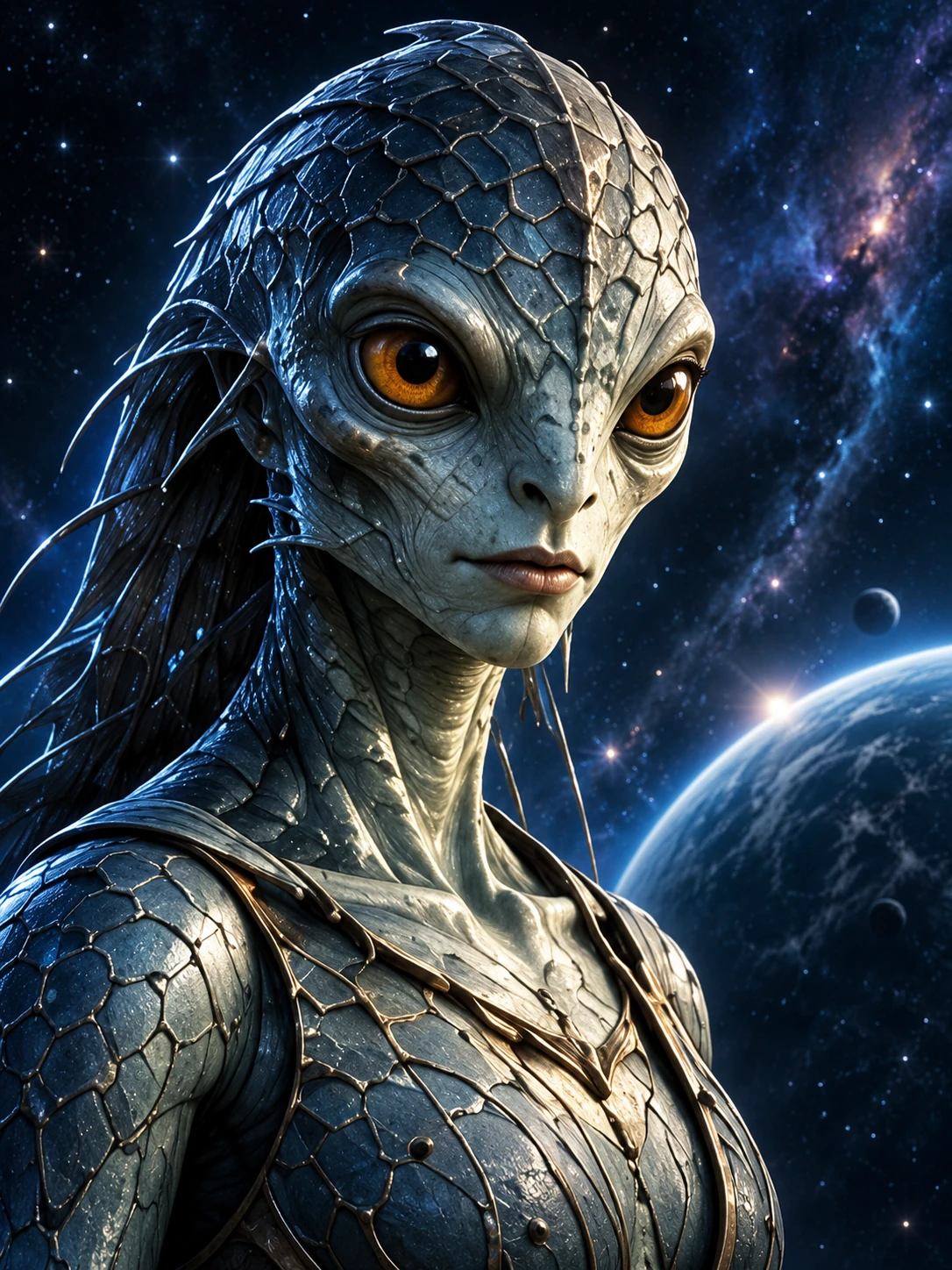
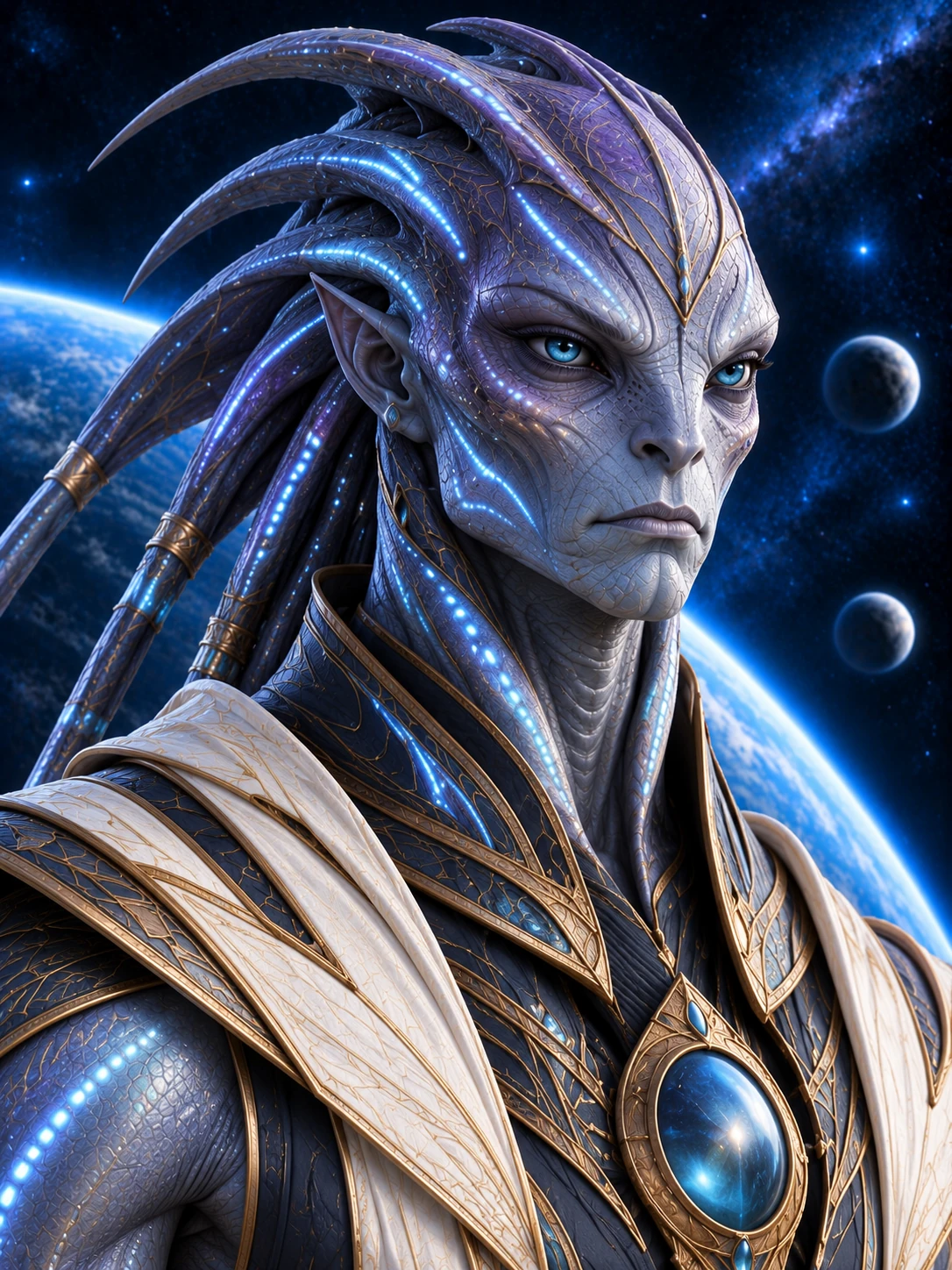
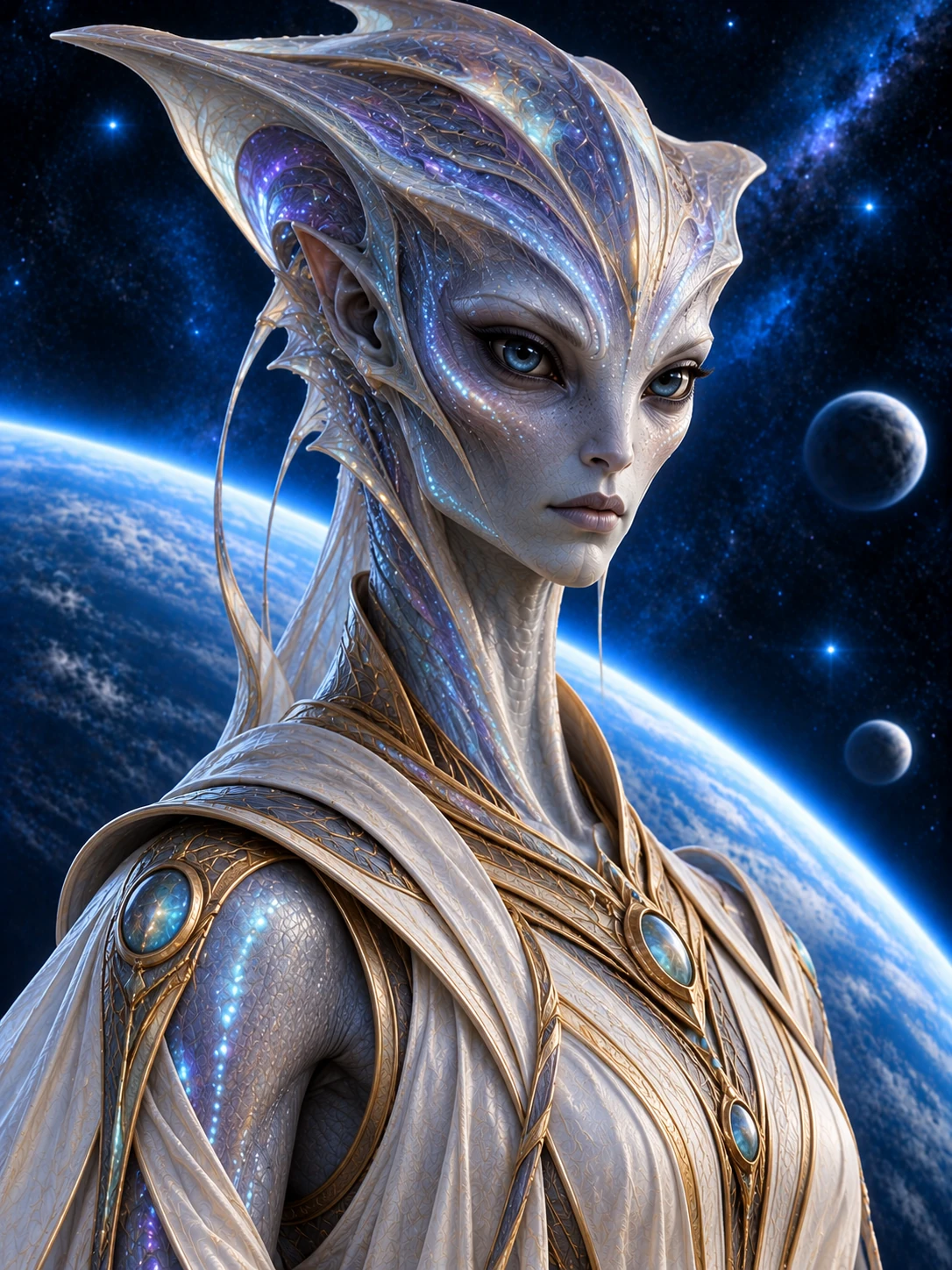
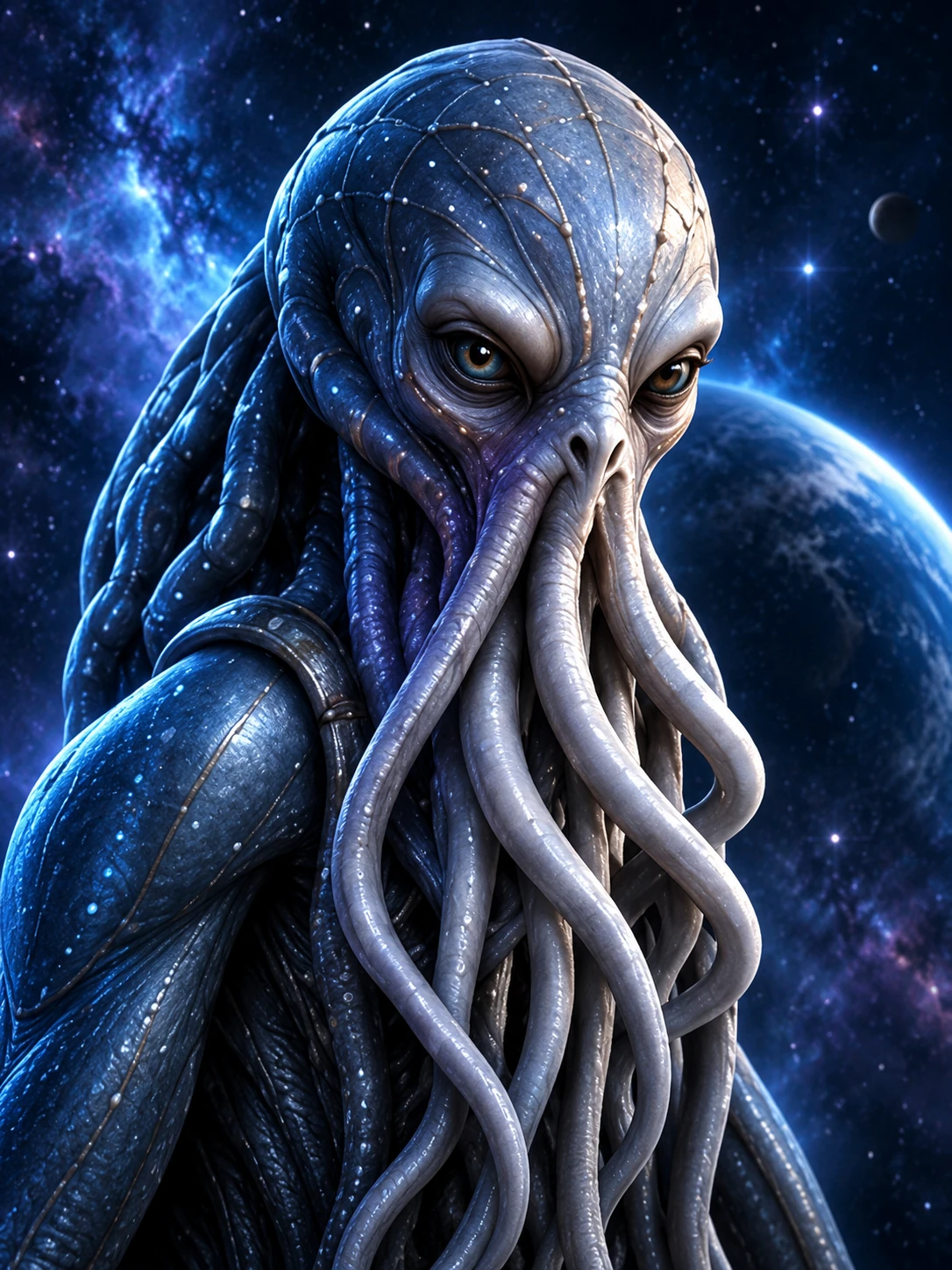
The family
Amphibious visitors have a long pedigree: the Babylonian Oannes who taught humanity civilisation, and the Nommo of Dogon tradition popularised in the 1970s. Fiction added the finned Deep Ones of H. P. Lovecraft, and astrobiology gave the idea a speculative footing by taking ocean worlds seriously as habitats. The tentacled Cephalopod is the furthest extrapolation, modelled on the intelligence of Earth's octopuses.
- Common traits
- Mottled, finned or webbed features
- Associated with water worlds
- Range from folklore to hard speculation
- Where it comes from
- Mesopotamian and Dogon tradition; 20th-century fiction; astrobiology.
How to recognise it, and how the members differ
Amphibians are the fish-tailed teachers of myth, half-human with scales and a wisdom to impart. Aquatics are the deep-water intelligences of fiction, luminous and non-humanoid. The Aquarian is a speculative water-world humanoid named for a constellation. The Cephalopod is the octopus-like mind of recent fiction and speculative biology, defined by how it thinks rather than where it lives.
Where it came from
Oannes rose from the Persian Gulf in Babylonian myth to teach the arts of civilisation; the Dogon Nommo and the Greek Nereids belong to the same family. Robert Temple's The Sirius Mystery (1976) made the Nommo ancient astronauts. Fiction supplied the rest: Solaris, The Abyss, and, for the Cephalopod, Ted Chiang's Story of Your Life and its film, Arrival.
The sceptical reading
Water hides things, which is why it hosts so many imagined beings. Temple's Dogon evidence has been challenged by anthropologists who found the 'Sirius B' knowledge was absent from earlier records and probably arrived with European visitors. No aquatic being has a sighting record; Shag Harbour, the archive's one underwater case, involves an object, not an occupant.
Side by side
XenoAtlas documents extraterrestrial concepts appearing in mythology, contactee literature, popular culture, speculative accounts, and related sources. Inclusion does not constitute scientific verification.